The Cabinet of Ministers is set to present a new concept for Ukraine’s pension system

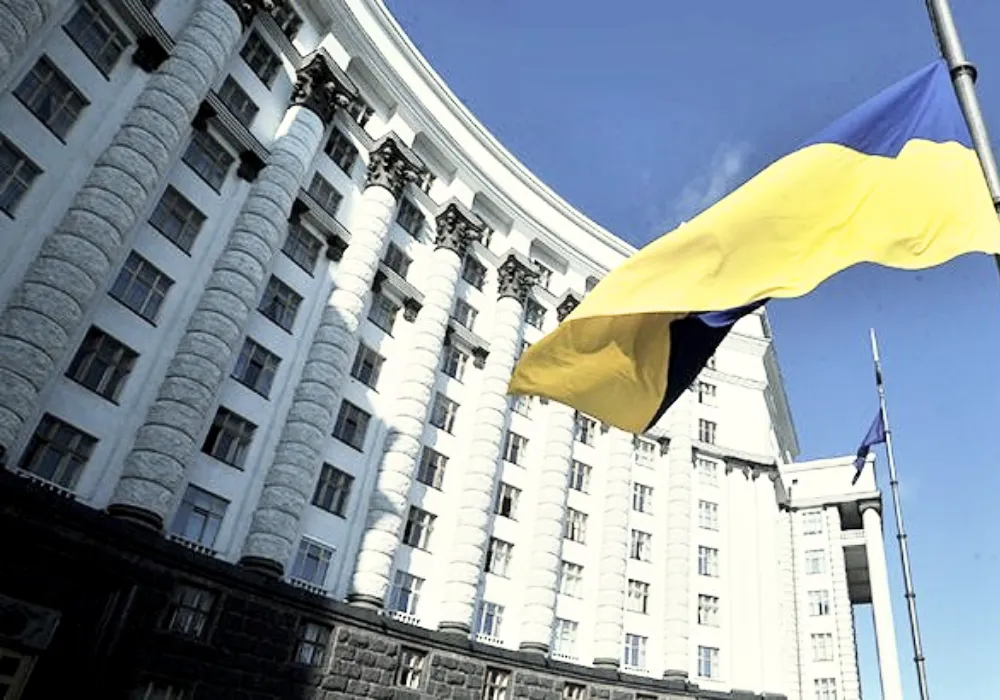
This was reported by the “Judicial and Legal Gazette”, citing a Member of Parliament. Previously, the Ministry of Social Policy had stated that, as part of the reform, special pensions should be separated from the solidarity-based system.
On 8 June, the Cabinet of Ministers is due to present the concept of Ukraine’s new pension system to the coalition council.
The Verkhovna Rada expects the reform to change the approaches to calculating pensions and their indexation, as well as to eliminate the imbalances that have accumulated in the current system.
A separate part of the reform concerns special pensions. Previously, the Ministry of Social Policy, Family and Unity reported on the preparation of a model that provides for a transition from special pensions to occupational pensions.
What they want to change in special pensions
Social Policy Minister Denys Ulyutin explained that the current system of special pensions operates under strict rules.
For example, to receive a special pension, one must have a certain length of service. If 25 years are required for payment and a person has 24, they may not receive a special pension and effectively lose that length of service for the relevant payment.
In contrast, the professional pension, as envisaged by the Ministry of Social Policy, is intended to allow savings to be accumulated after just the first year of professional contributions. Such savings will be retained even if the person changes their field of work.
The Ministry emphasises that occupational pensions must be separated from the general pay-as-you-go system so that special payments do not place an additional burden on the Pension Fund.
What this means for military personnel
Separately, the Ministry of Social Policy highlights the unfairness faced by those who have been mobilised.
According to Ulyutin, a soldier who has seen action at the front and served for 2–3 years may currently have no entitlement to a service pension at all, as the law requires a significantly longer period of service.
The government proposes that even one year of service should entitle a person to a professional pension.
A separate state allowance is also being considered for combatants.
If a conscript decides to remain on a contract after the war, their occupational pension should increase in line with their length of service.
Who will fund occupational pensions
The Ministry of Social Policy states that occupational pensions should not be funded from the state budget.
This involves additional contributions to be paid by employers.
This model is intended to work for professions involving high risks or special working conditions. At the same time, it should maintain additional safeguards for such workers without shifting the entire burden onto the general pension system.
What will happen to payments already awarded
Citizens who are already receiving special pensions should not lose their allocated payments.
The Ministry of Social Policy states that all pensions already awarded will be retained.
For those currently serving or working in professions with special pension rules, the transition to the new system should be gradual.
Years of service or work prior to the launch of the reform are planned to be counted under the old rules, and after the launch – under the new ones.
It is also noted that if a person already has more than half of the required service record, i.e. more than 13 years, they will be able to retire under the special pension rules.
How long will the transition take
According to Denis Ulyutin, the transition from special pensions to occupational pensions could take around 12–13 years.
This period is needed so that people just entering the profession can accumulate occupational contributions for their future payments.
The draft law intended to launch the pension reform is currently being finalised. The Ministry of Social Policy is finalising the financial calculations to ensure the system remains sustainable for decades to come.
What else might the reform entail
The Ministry of Social Policy is also working on a voluntary funded scheme with ‘auto-enrolment’.
Under this model, employees will automatically be enrolled in the funded tier but will be able to opt out. The ministry explained that this approach is intended to replace the idea of a mandatory funded system.
The government’s logic is to create an additional source of pension payments for people, but not to launch a mechanism that could create new risks for public finances.
What is important
At present, this is a concept for pension reform, not a law that has already been passed.
The final rules will become clear once the government officially presents the concept, completes the financial calculations and submits the draft bill to parliament.
Only then will it become clear how the pension calculation formula will change, what the indexation will be, and how the new system will work for military personnel, workers in high-risk occupations, and those who have already accrued part of their special service record.
Follow us on Telegram