The EU has authorised the detention and inspection of vessels linked to Russia’s ‘shadow fleet’

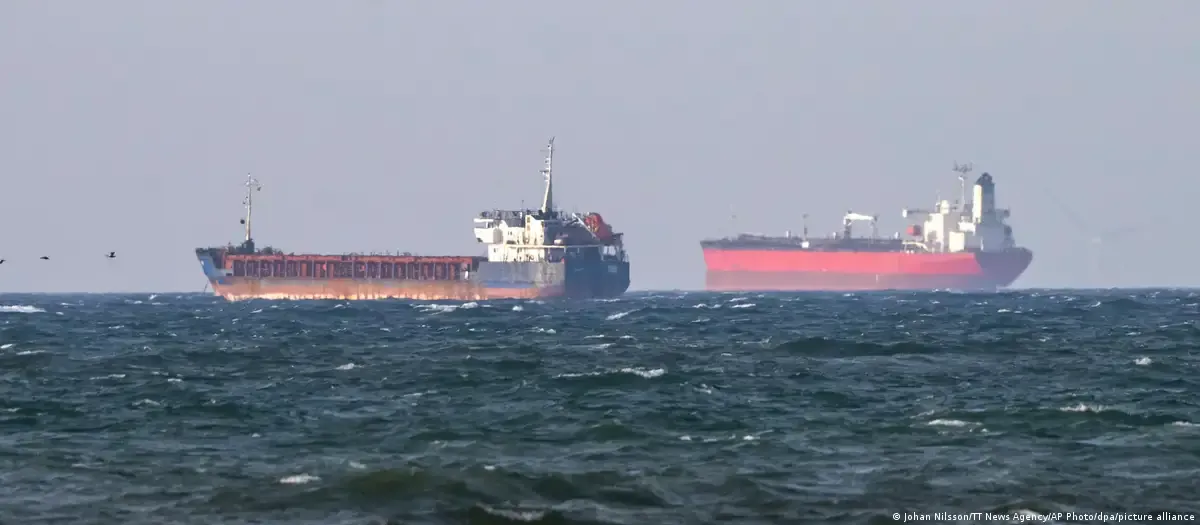
European Union member states have authorised military vessels in the Mediterranean to detain and inspect foreign ships that the EU considers part of Russia’s ‘shadow fleet’.
This was announced by the EU’s High Representative for Foreign Affairs, Kaja Kallas, ahead of a meeting of EU defence ministers in Cyprus. She said that Operation IRINI had changed the rules of engagement and now permits the detention and inspection of vessels.
Kallas noted that decisions regarding the ‘shadow fleet’ are linked not only to sanctions policy but also to the safety of shipping. She added that the EU aims to limit Russia’s revenues that could be used to finance the war against Ukraine.
The IRINI naval operation has been active in the Mediterranean since March 2020. It was established to monitor compliance with the UN arms embargo on Libya. The mission also monitors the illegal export of oil from Libya, combats human trafficking and trains the Libyan coastguard. The operation’s headquarters are located in Rome. As of September 2020, 21 EU countries were participating, providing three ships, five aircraft and around 600 military personnel.
The decision was taken against the backdrop of the EU’s tightening sanctions policy. In spring 2026, the EU approved its 20th package of sanctions against Russia, which imposes restrictions on tankers carrying Russian oil, as well as a ban on a range of services related to its transport.
In recent years, European countries have stepped up the detention of vessels carrying Russian raw materials which, according to the authorities, are being used to circumvent sanctions.
On 31 May, in the Atlantic Ocean, the French and British navies detained the vessel Tagor. The French side stated that it had departed from Murmansk and was flying the Cameroonian flag. According to the French authorities, the tanker may have been transporting Russian or Iranian oil in circumvention of sanctions.
Since March 2026, the dry cargo ship Caffa has been under arrest in Trelleborg, Sweden. A Swedish court ruled that it should be handed over to the Ukrainian side. The Ukrainian authorities claim that in the summer of 2025, the vessel was used to transport grain from Sevastopol to the Syrian port of Tartus and was sailing under a false flag.
In March 2025, Germany detained the tanker Eventin after it was added to the EU sanctions lists. In April of the same year, Estonia detained the tanker Kiwala off the coast of Tallinn.
In December 2024, the Finnish authorities detained the tanker Eagle S, which was suspected of involvement in the damage to undersea cables in the Gulf of Finland. In 2025, the cargo ship Fitburg was also detained following damage to a cable between Helsinki and Tallinn.
In March 2026, the Russian Ministry of Foreign Affairs accused EU countries of piracy on maritime routes and stated that the concept of a ‘shadow fleet’ does not exist in international maritime law. Nikolai Patrushev, Assistant to the President of the Russian Federation and Chairman of the Maritime Council, claimed that this term is used to justify the detention of vessels.