The ‘Izolyatsia’ prison in Donetsk. Human rights activists have gathered evidence of acts that may constitute crimes against humanity

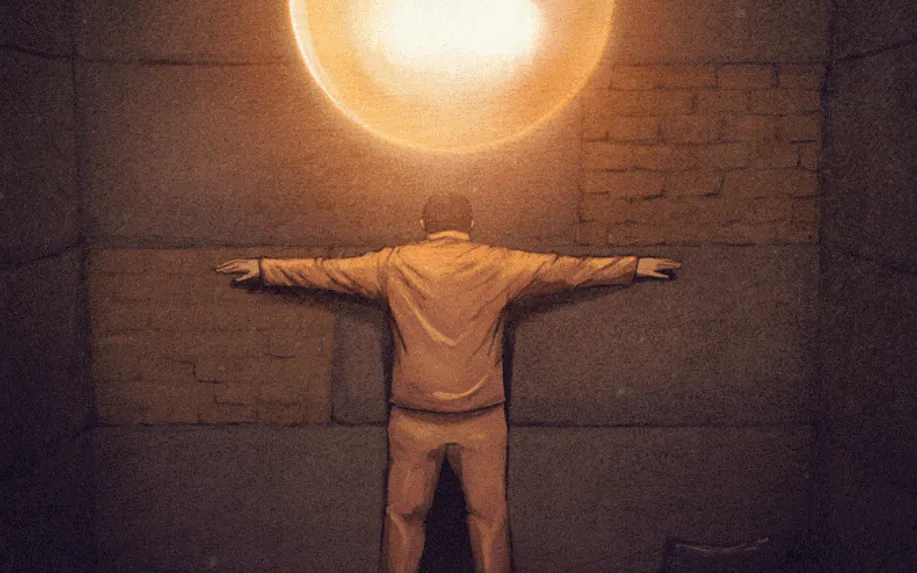
This is detailed in the report ‘Izolyatsia: From Culture to Torture’, which the organisation produced to mark the anniversary of the art centre’s seizure.
Truth Hounds collected testimonies from 30 people who have been through “Izolyatsia” over the past 12 years. They described numerous beatings with metal pipes, shovels and truncheons, electric shock torture, rape (suffered by men, women and children alike) and instances of psychological pressure. At least four former prisoners witnessed guards beating other inmates to death.
“They woke me up in the night, dragged me down to the basement and tied me to a table with duct tape — in a star shape, as always. They shocked my toes with electricity, beat my kidneys and thrashed my heels with a rubber truncheon. Then they untied my legs — but as soon as I tried to lift them, they beat me with the baton again until I could no longer walk,” said one of the victims.
This evidence suggests that the violence at ‘Izolyatsia’ was part of systematic attacks on the civilian population and may constitute a crime against humanity.
According to the organisation, the violence was carried out within a clear chain of command. Initially, the facility was controlled by armed formations of the ‘DPR’, later by the so-called ‘DPR’ Ministry of State Security, and from the end of 2022 by Russia’s FSB.
However, the complex may still be in operation today — this is indicated by satellite imagery from 2025 and the testimonies of recently released individuals. The images show construction work, vehicles and signs of active heating. Human rights activists therefore stress that it cannot be ruled out that people are still being illegally detained and tortured on the complex’s premises.
Truth Hounds have called on the International Committee of the Red Cross and UN bodies to demand immediate access to the facility and to the people who may be held there.
Human rights activists also stressed that their materials helped strengthen the evidence base in the French investigation into Ukrainian citizen and pro-Russian separatist Yevgeny B., who was arrested in April 2026 on suspicion of war crimes and crimes against humanity committed at ‘Izolyatsia’. According to the investigation, the man participated in the torture of prisoners, treated them brutally, exerted psychological pressure, forced them to make confessions and humiliated people. At present, at least nine victims have been identified.
The arrest of Yevhen B. marked the first instance in history where Ukraine officially transferred case materials concerning war crimes, at the trial stage, to a third country. The man has been charged, but no verdict has yet been handed down in the case. He is presumed innocent.
Follow us on Telegram