Dissatisfaction with Putin is growing in Russia against the backdrop of the war and economic problems

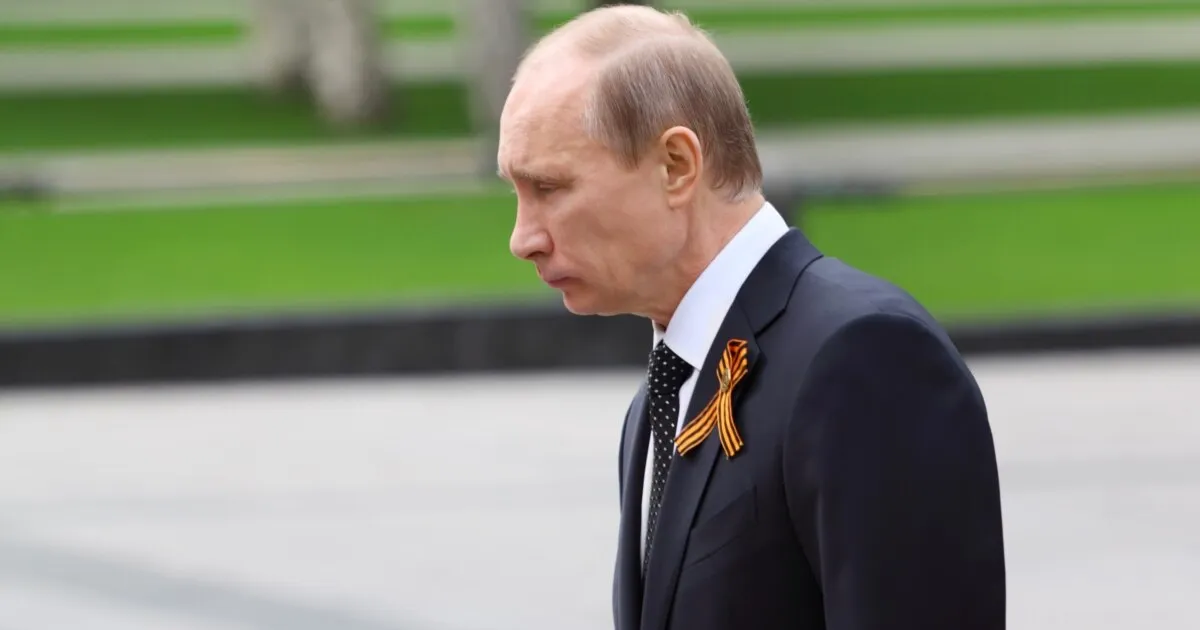
Dissatisfaction with Vladimir Putin is growing in Russia against the backdrop of the war against Ukraine, economic difficulties and tightening domestic restrictions. This is according to assessments by sources close to the Kremlin, business representatives and Western intelligence agencies, reports The Guardian.
In early May, the Russian president made a public appearance during a meeting with his former teacher, Vera Gurevich. The visit was widely covered by Russian state media following reports in Western media that Putin had allegedly been holed up in a bunker for a long time due to fears of an assassination attempt or a coup.
According to those interviewed, despite the absence of any signs of an immediate threat to Putin’s rule, the situation for the Kremlin is becoming increasingly complex. One Russian business representative stated that there is a sense of “deep disappointment with Putin” among the elite and a growing feeling that a crisis is approaching.
Sources claim that Putin remains determined to continue the war. According to them, the Russian president is convinced that the Russian army is capable of taking control of the entire Donbas region by the end of the year.
Following the 9 May parade in Moscow, Putin stated that the war was “drawing to a close”. At the same time, interlocutors familiar with his position believe that these words do not indicate a willingness to compromise, but merely reflect the Kremlin’s expectations of a possible military breakthrough.
A Ukrainian intelligence official stated that the Russian military command is providing Putin with overly optimistic reports on the situation at the front. Some sources also note that the system established by Putin encourages officials to conceal the true state of affairs.
According to military analysts, the current pace of Russian troop advances does not allow for the rapid capture of the entire Donbas region.
Separately, sources draw attention to the deteriorating economic situation in Russia. Taxes and inflation are rising in the country, and businesses are suffering losses due to disruptions to mobile internet and restrictions on messaging apps.
The Kremlin explains these measures on the grounds of security and the threat of Ukrainian drone attacks. At the same time, the restrictions have sparked a wave of discontent among the public and businesses.
Russian journalist Ksenia Sobchak stated that the issue of internet blocking has become a highly sensitive one for society. According to her, the authorities may go further and block Western social media platforms, leaving only their Russian equivalents.
Social media in Russia is increasingly filled with videos of complaints from business owners, farmers and regional residents about economic difficulties and new restrictions.
State-commissioned sociological surveys have also recorded a drop in life satisfaction to its lowest level in the last 15 years. Some polls indicate that Putin’s approval rating has fallen to its lowest level since the start of the full-scale war.
Despite this, most of those interviewed do not consider a swift coup in the Kremlin likely. Former Defence Minister Sergei Shoigu, whom some Western media have described as a potential threat to Putin, reportedly lacks sufficient support within the army.
Russian businessmen are also unwilling to speak out openly against the authorities for fear of persecution and a new wave of seizures of private assets.
Sources close to the Kremlin note that Putin still has complete control over the situation in the country, although there is a growing awareness among the elite of the deteriorating situation both in the war and in the economy.