The Bank of Russia sold a record amount of gold from its reserves over the past six months

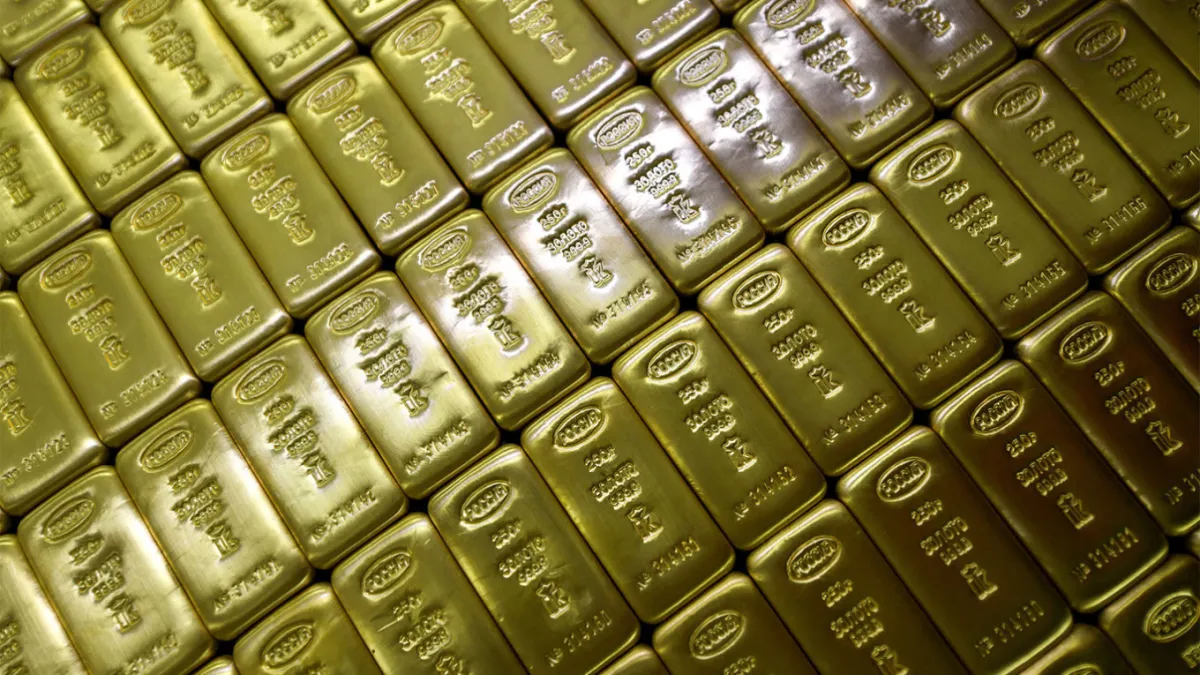
The Central Bank of Russia has continued to reduce its gold reserves for the sixth month running. According to the regulator, gold reserves fell by a further 0.3 million troy ounces, or 9.33 tonnes, in June. In total, reserves have fallen by 1.4 million ounces since the start of the year, equivalent to 43.5 tonnes.
According to estimates by the World Gold Council, this marks the largest reduction in Russia’s gold reserves in at least the last 25 years. The previous instance of a similar scale was recorded in 2002, when gold reserves fell by 36.1 tonnes between January and June.
Even during the pandemic, when the authorities used international reserve assets to support the rouble and the budget, the volume of gold sales was significantly lower. From July 2020 to April 2021, it stood at 7.6 tonnes.
As at 1 July 2026, the Russian Central Bank’s gold reserves had fallen to 2,283 thousand tonnes, or 73.4 million troy ounces. This is the lowest level since February 2020.
According to an estimate by Freedom Global analyst Vladimir Chernov, the sale of gold could have raised around $5.6 billion. He noted that these funds are being used to balance the federal budget. He said that since last autumn, the Central Bank has been conducting transactions involving precious metals on the domestic market, mirroring similar operations by the Russian Ministry of Finance using funds from the National Wealth Fund.
Chernov explained that when oil and gas revenues fall below the level stipulated by the budget rule, or when the fund’s resources are channelled into domestic investments, the Central Bank carries out offsetting transactions using liquid reserve assets. According to him, the regulator performs a technical function within this mechanism, rather than making a separate decision to sell gold to cover the budget deficit.
The analyst also noted that gold is a convenient asset for such operations, as it is held within Russia, remains accessible to the regulator and has risen significantly in value in recent years. At the same time, the use of a significant portion of foreign exchange reserves is restricted following their freezing abroad.
Previously, economists Oleksandra Prokopenko and Oleksandr Kolyandr suggested that the Central Bank of Russia had begun selling gold to avoid depleting its remaining reserves in Chinese yuan. According to the latest publicly available data, these reserves amounted to around $100 billion; however, following the imposition of sanctions, the regulator ceased to publish information on the composition of its international reserves.
According to Chernov, the bulk of the gold was likely sold to Russian banks via exchange-traded and over-the-counter markets. Data from the Moscow Exchange indicates a significant increase in the volume of gold transactions this year. In March alone, they reached 42.6 tonnes, of which 14 tonnes were transactions involving the physical delivery of the metal.