Ukraine is adopting EU rules for organic products: who will be affected by the new requirements?
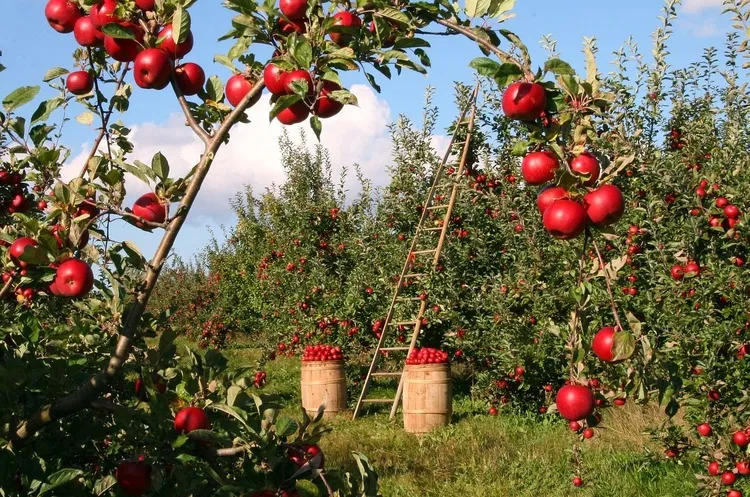
First and foremost, the changes will affect companies and entrepreneurs who produce or sell organic products. Whilst some sellers are currently able to operate without specific certification, once the transition period ends, a much wider range of market participants will be required to verify the organic origin of their goods.
Interestingly, the new requirements will also apply to online shops selling organic products remotely.
At the same time, the law provides for simplifications for small farms. Producers will be able to undergo so-called group certification – with up to 2,000 participants in a single group.
This should reduce the costs of paperwork and make organic production more accessible to small businesses.
The legislation also tightens controls over the use of the ‘organic’ label. Government bodies and certification bodies will be granted broader powers to carry out inspections, whilst it will become more difficult for consumers to come across products that are merely marketed as organic without proper certification.
For Ukrainian producers, the law offers another significant advantage. As the new rules are harmonised with European legislation, this should simplify the export of products to the EU, to which around 90 per cent of Ukrainian organic produce is already exported.
At the same time, businesses will have sufficient time to adapt. The law will come into force following its official publication, although most of its provisions will only take effect in three years’ time.
During this time, the government must draft the necessary secondary legislation and launch a new system of state control.
Follow us on Telegram