The High Anti-Corruption Court’s verdict has come into force: former State Fiscal Service head Nasirov has been sentenced to six years in prison

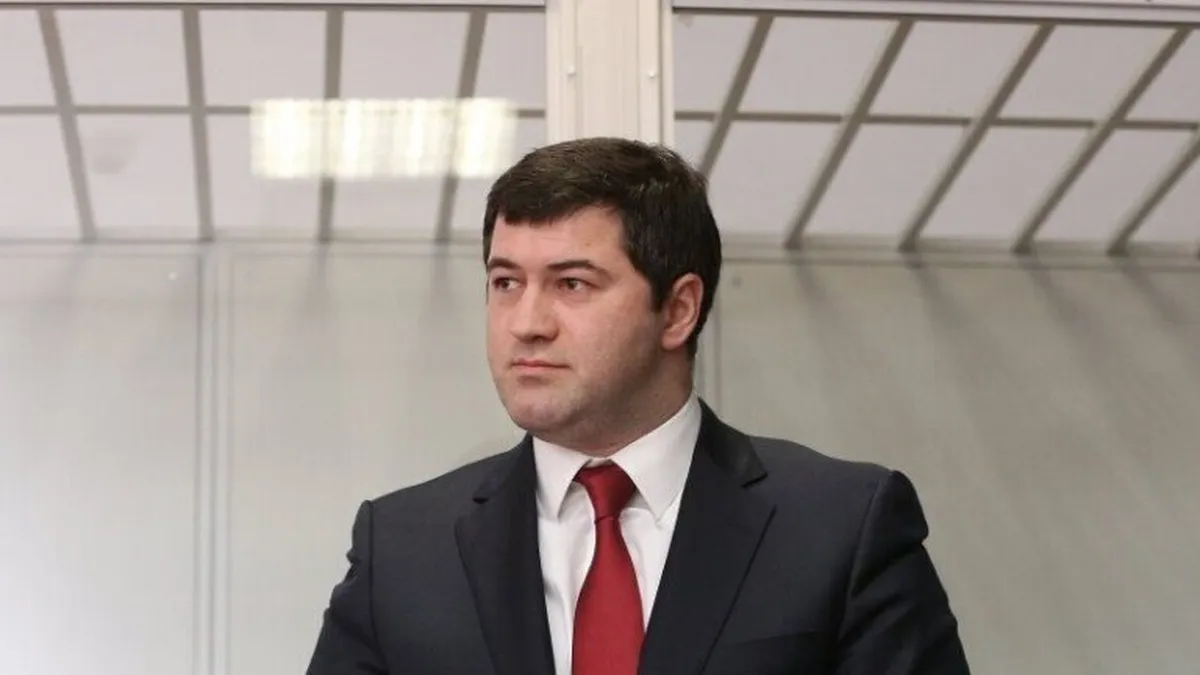
This has been reported by Transparency International Ukraine.
The judges credited the period of pre-trial detention towards the prison sentence. They also upheld the detention order pending the resolution of a separate civil claim brought by Ukrgazvydobuvannya. In all other respects, they dismissed the appeal lodged by Roman Nasirov’s defence team and upheld the original sentence.
According to the court’s decision, Nasirov has been sentenced to six years’ imprisonment, a fine of 17,000 hryvnias, and a three-year ban on holding public office.
The High Anti-Corruption Court’s verdict has now come into force.
Nasirov’s defence team had requested in their appeals that the verdict be overturned and the criminal proceedings closed due to the absence of a criminal offence. The defence argued that the court of first instance had committed significant violations of criminal procedure – in particular, failing to ensure the secrecy of the deliberations and delivering the verdict in breach of procedure.
The prosecutor, for her part, emphasised that the available evidence proves the guilt of the accused Nasirov and the serious consequences of his actions for the state. Overall, in her opinion, the trial in the court of first instance was objective and thorough.
The Roman Nasirov case: what is known
Roman Nasirov is a defendant in the so-called ‘gas case’ involving Onyshchenko. He was charged with illegally granting instalment plans for tax debts and rent payments for subsoil use to companies linked to Onyshchenko, causing losses to the state amounting to approximately 2 billion hryvnias.
Nasirov’s case was heard in courts of two instances over a period of 6.5 years. The proceedings were accompanied by numerous abuses of procedural rights by the defence, aimed at delaying the proceedings.
The Appeals Chamber of the High Anti-Corruption Court held 23 court hearings between January and March. The court consistently responded to the procedural conduct of the parties and, at almost every hearing, refused to adjourn the proceedings, the statement said.