Who will become Putin’s new ‘puppet’ in Europe?

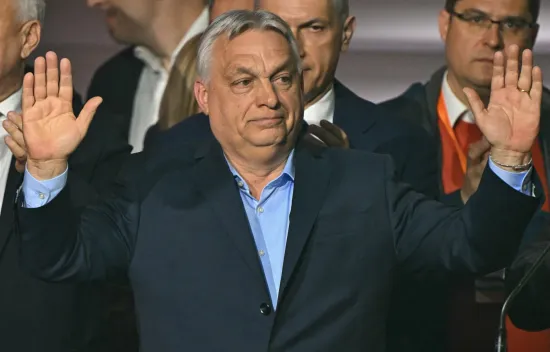
Viktor Orbán was regarded as one of Vladimir Putin’s closest allies within the European Union. His departure is reshaping the political landscape in the region and depriving Moscow of a key ally within the EU, reports The Telegraph.
Sam Green, a professor of Russian politics at King’s College London, notes that finding a politician who could fully replace Orbán will be difficult. In his view, this is not a case where one can simply find the next candidate.
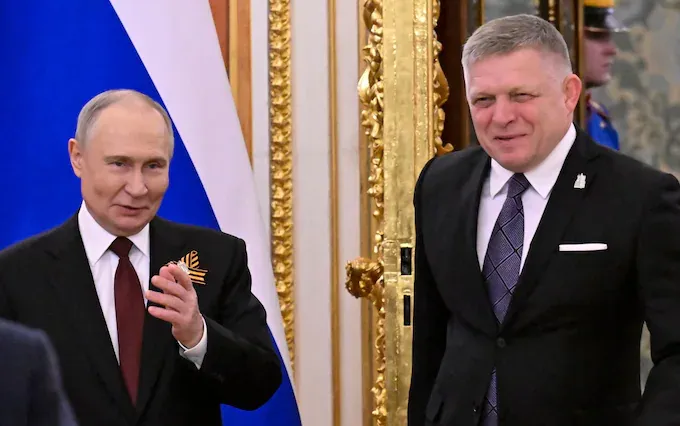
Slovak Prime Minister Robert Fico is mentioned among the possible contenders. His policies share similarities with Orbán’s approach, particularly his critical stance towards Brussels and his positions on Russia and Ukraine. Fico is one of the few European leaders to have visited Russia since the start of the full-scale invasion of Ukraine.
At the same time, it is noted that Slovakia, like other Central European countries, is heavily dependent on financial support from the European Union. According to analysts, this limits Fico’s willingness to engage in open confrontation with Brussels.
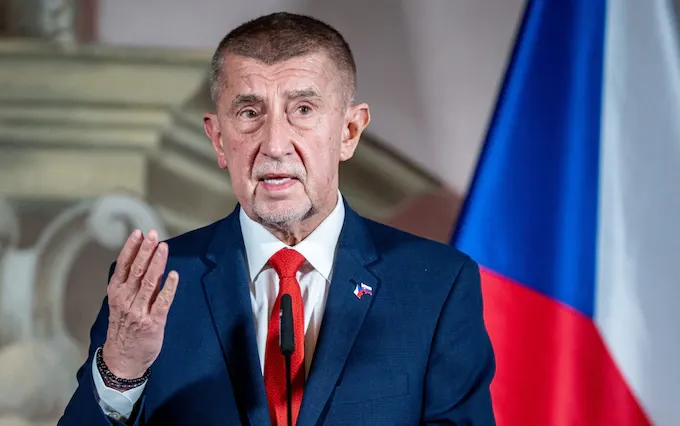
Another possible candidate is considered to be Czech Prime Minister Andrej Babiš. He previously refused to support the EU’s €90 billion loan package for Ukraine and expressed views that aligned with Russian narratives. At the same time, Babiš has declared his support for the Czech Republic’s membership of NATO and the EU.
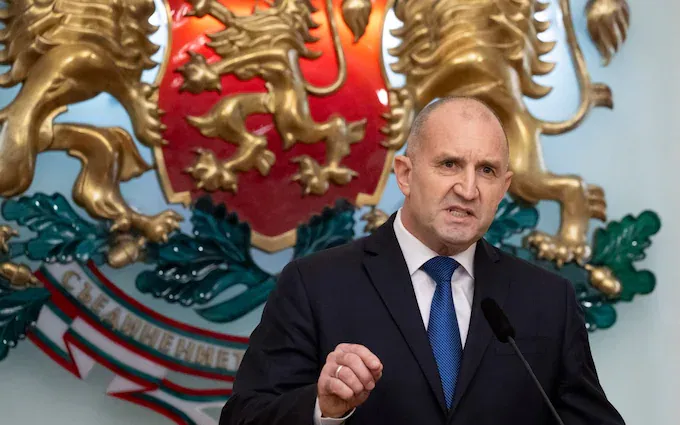
Among other politicians the Kremlin may be eyeing is Bulgarian President Rumen Radev. He has criticised arms supplies to Ukraine and security agreements with Kyiv. However, Bulgaria remains dependent on EU financial aid, which limits its scope for changing its foreign policy course.
In Romania, the possibility of a shift towards pro-Russian positions following the 2024 elections had previously been considered; however, a re-run of the vote in 2025 resulted in the victory of the independent centrist candidate Nicușor Dan.
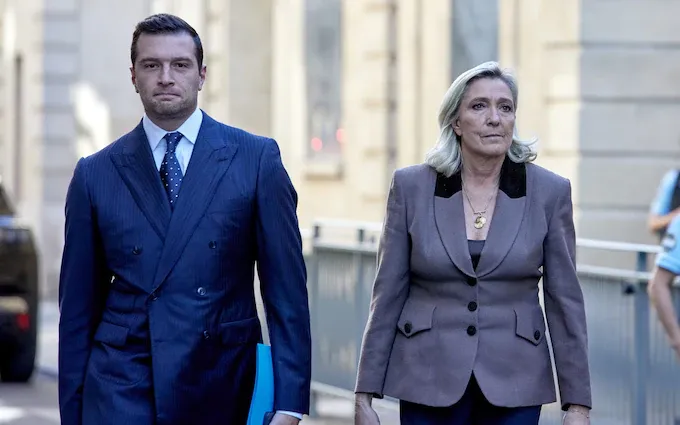
France remains a key country, with Moscow closely monitoring political developments there. At the same time, Marine Le Pen is barred from standing in the elections due to a conviction for embezzlement, whilst her party’s candidate, Jordan Bardella, has described Russia as a multidimensional threat.
In Germany, the Alternative for Germany party continues to express views critical of anti-Russian policies, although its leadership is attempting to distance itself from overtly pro-Russian statements.
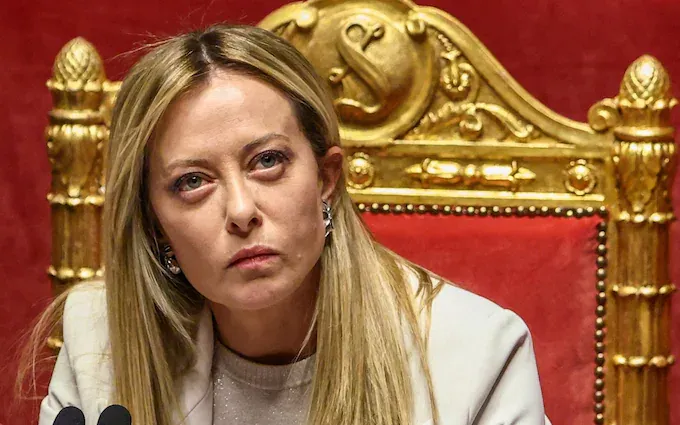
In Italy, Giorgia Meloni, who previously advocated for improved relations with Russia, has become one of the most prominent supporters of Ukraine since the start of the full-scale war.
Analysts note that relations between Russia and individual European politicians are situational in nature. They depend on domestic political interests and interaction with the European Union.
Follow us on Telegram