


Author’s articles
Argentina has officially completed its withdrawal from the World Health Organisation, following in the footsteps of the US. Foreign Minister Pablo Quirno confirmed that the decision came into effect on 17 March, whilst President Javier Milei had previously cited sharp criticism of the WHO over its handling of the COVID-19 pandemic as the reason for the split.
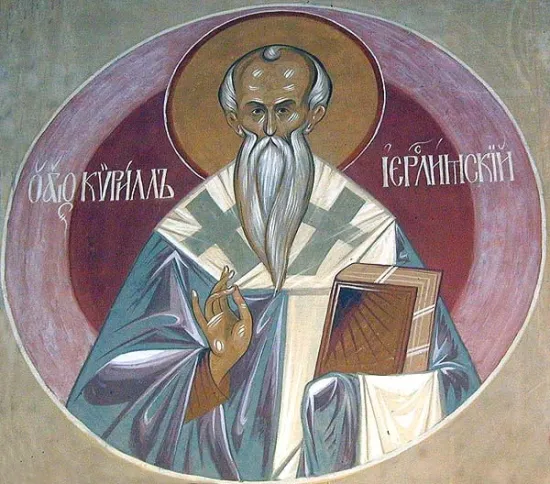
On Wednesday, 18 March, the Orthodox Church of Ukraine commemorates Saint Cyril of Jerusalem – archbishop, theologian and defender of the Orthodox faith. In both church and popular tradition, this day is associated with prayer, spiritual growth, self-restraint and good deeds.
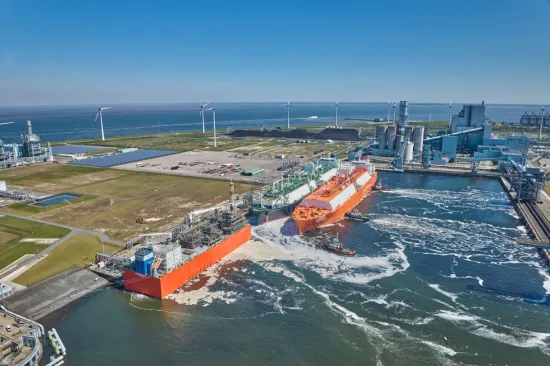
Following a visit by a government delegation to the US, the Czech Republic has reached a preliminary agreement to secure a long-term allocation of 1.4 billion cubic metres of gas per year at American LNG terminals. At the same time, the Czech market is seeing the emergence of opportunities to purchase gas priced in line with the US Henry Hub index.
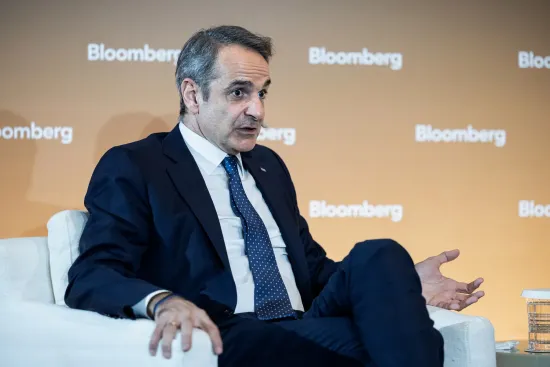
The Greek government plans to table a proposal in the coming weeks to ban children under the age of 15 from using social media. Prime Minister Kyriakos Mitsotakis explained that the initiative was prompted by the risks to mental health posed by “addictive scrolling” through feeds.
The new memorandum between Ukraine and the IMF sets out nine structural benchmarks that the government must meet by 2026. The most sensitive area is taxation: the document outlines changes affecting sole traders, digital platforms, international business, state-owned banks, customs, tax returns and tariff policy.
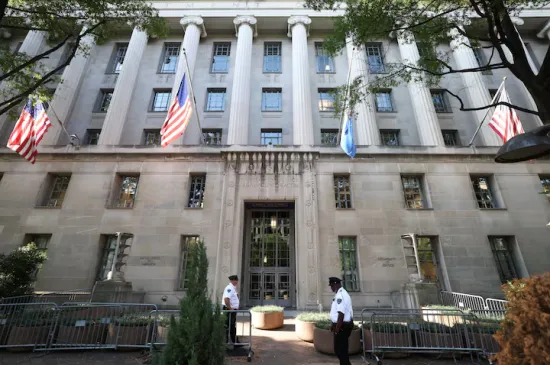
A federal jury in Los Angeles has found former Syrian official Samir Osman Al-Sheikh, who headed Damascus Central Prison during the regime of Bashar al-Assad, of conspiracy to commit torture, the torture of prisoners, and lying to US immigration authorities.
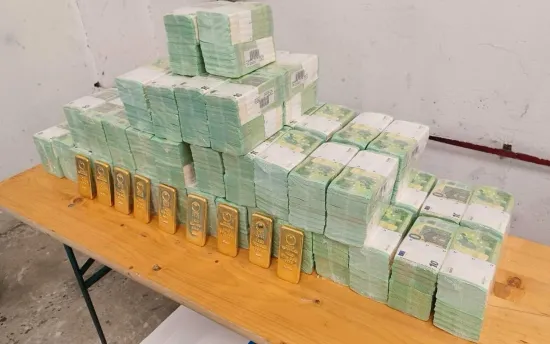
Ukraine’s Oschadbank has filed a complaint with the Hungarian Central Investigative Prosecutor’s Office regarding the seizure of a cash consignment in Hungary. The case involves allegations of abuse of office and terrorist offences, as well as individual complaints from seven Ukrainian cash-in-transit guards who were deported from the country following their detention.
Oleg Ozerov, Russia’s ambassador-designate to Moldova, was summoned to the Ministry of Foreign Affairs on 17 March, where he was handed a note of protest regarding the attack on the hydroelectric power plant in Novodnistrovsk. According to the Moldovan side, the strike caused an oil spill into the Dniester River and jeopardised the country’s water supply.

The SBU has detained a department head and two engineers from a design company in Kyiv, who are suspected of assisting the Russian side in the restoration of damaged oil refineries. According to the investigation, they were preparing technical documentation for the repair of systems and units at Russian oil refineries.
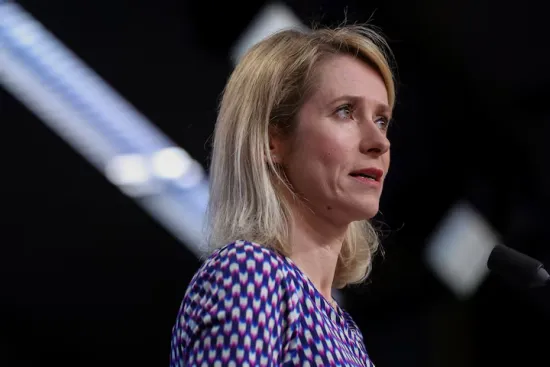
The EU’s High Representative for Foreign Affairs, Kaja Kallas, has called on the US and Israel to halt the war with Iran and stated that the European Union is consulting with Middle Eastern countries on ways to bring the conflict to an end, and does not rule out European involvement in reopening the Strait of Hormuz as part of a diplomatic solution.

In modern warfare, data centres are increasingly found in the same high-risk zones as power stations, ports and oil depots. An article in *The National Interest* argues that digital infrastructure, which supports both civilian services and military operations, is no longer merely a logistical asset.
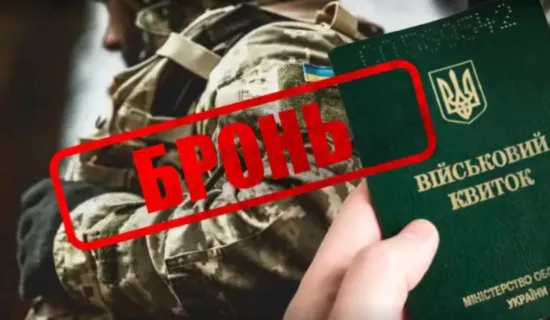
The Cabinet of Ministers has expanded the criteria for identifying enterprises deemed critical to meeting the needs of the Armed Forces of Ukraine. The new list includes companies operating under contracts with the commands of the various branches or specific service branches of the Armed Forces of Ukraine, particularly in the areas of logistics, repair and maintenance of military equipment.

