China and Russia have once again failed to reach an agreement on the ‘Power of Siberia 2’ gas pipeline

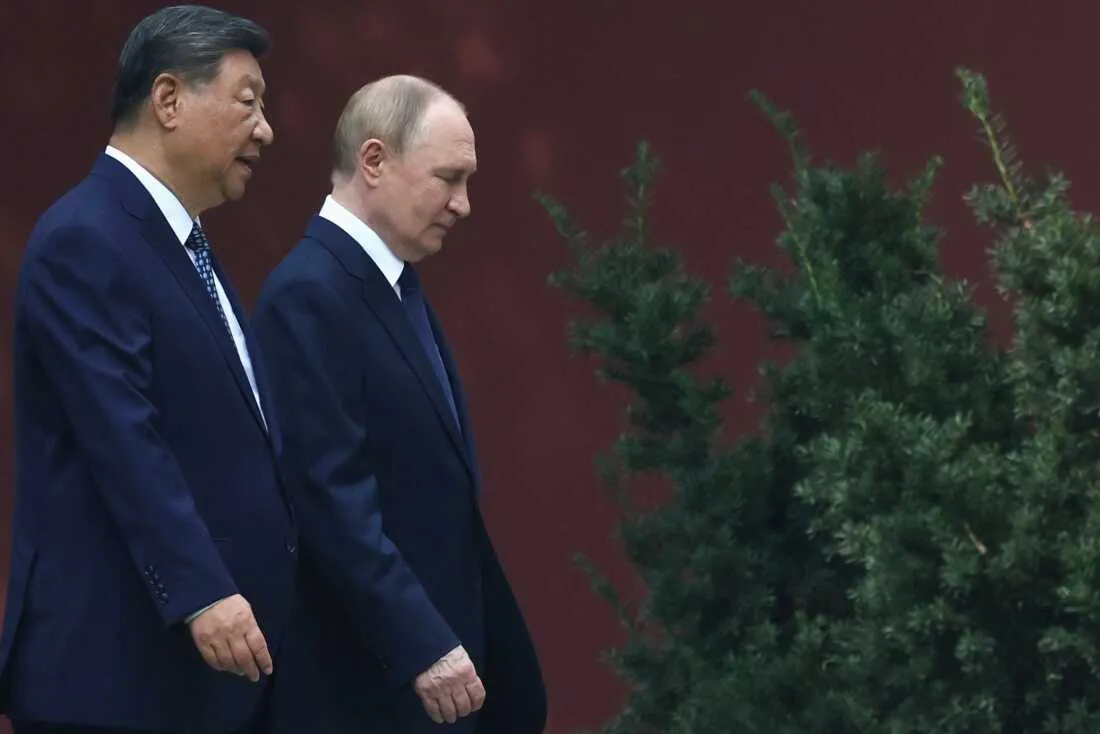
The fifth visit to China since the start of the full-scale war, and the 25th during Vladimir Putin’s presidency, ended without the signing of an agreement on the construction of the ‘Power of Siberia 2’ gas pipeline, reports The Moscow Times.
The project has been under discussion for over a decade. It envisages increasing Russian gas supplies to China to 100 billion cubic metres per year.
Following talks with Chinese President Xi Jinping, Russian Presidential Press Secretary Dmitry Peskov stated that the parties had not yet agreed on all aspects of the project’s implementation.
“There are still some details to be agreed,” said Peskov. According to him, Moscow and Beijing have already agreed on the “main parameters of the understanding” and the route of the future gas pipeline, but there is no specific timeline for implementation as yet.
Putin arrived in Beijing with a large delegation, which included five deputy prime ministers, eight ministers and the heads of major state-owned companies, including Gazprom and Rosneft. During the visit, the Russian president spoke of the “boundless prospects” for cooperation between Russia and China and promised stable supplies of oil, coal and gas to the PRC.
Following the talks, the parties signed 40 documents. However, the list published by the Kremlin makes no mention of ‘Power of Siberia 2’ or any specific agreements in the oil and gas sector.
One of the main reasons for the lack of an agreement remains the dispute over gas prices. Earlier, the Financial Times, citing sources, reported that China is demanding a reduction in the cost of Russian gas to a level close to domestic prices in Russia.
According to the publication, the figure in question is approximately $50 per thousand cubic metres. This is five times less than the current price China pays for Russian gas, and 8.5 times lower than Gazprom’s prices for other buyers in distant foreign markets.
Furthermore, according to the Financial Times, China is sceptical about the need to take on additional long-term gas purchase commitments due to the possibility of peak demand having been reached.
China currently purchases around 38 billion cubic metres of gas from Russia annually. This accounts for roughly half of Gazprom’s exports to countries outside the former Soviet bloc.
By the end of the decade, the Russian government plans to increase gas supplies to China by 47% — to 56 billion cubic metres per year. The additional volumes are to be delivered via the Far Eastern route and thanks to the expansion of the Power of Siberia-1 pipeline’s capacity.