Why did the peace talks between Iran and the US fail?

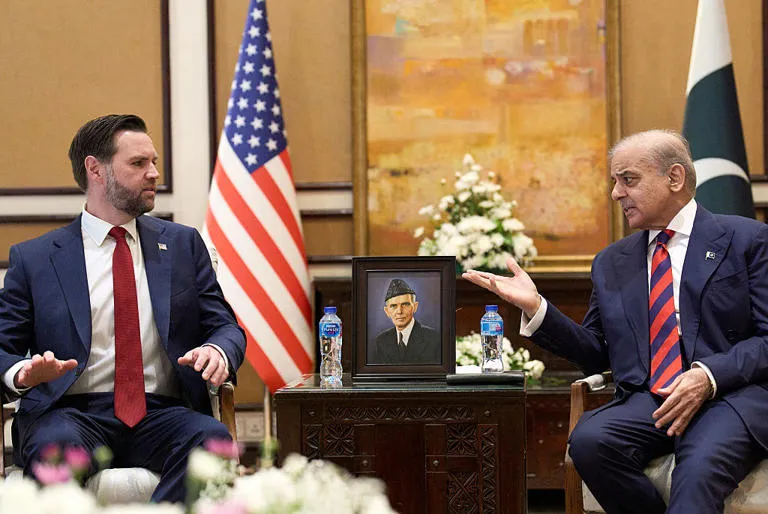
The talks between the US and Iran, which took place in Islamabad, marked the highest level of contact between the two sides since the 1979 revolution in Iran. The talks lasted all night but ended without a final agreement being reached, according to Time.
Pakistan acted as a mediator in the talks thanks to its relations with both Tehran and Washington. After the meeting concluded, the Iranian delegation remained for further consultations with the Pakistani side.
The US offered to lift sanctions and integrate Iran into the international community. At the same time, the American side insisted that Iran abandon its nuclear programme.
Iran, for its part, believed it had gained certain advantages during the conflict, notably control over the Strait of Hormuz, and was not prepared to agree to the proposed terms.
US Vice-President J.D. Vance stated that Washington had made a final offer. US President Donald Trump described the meeting as positive, but emphasised the differences regarding nuclear weapons. “They want to acquire nuclear weapons. That will not happen.”
According to the US side, Iran did not agree to key demands, including the cessation of uranium enrichment, the dismantling of key facilities and the removal of stocks of highly enriched uranium. Furthermore, the Iranian delegation did not support the cessation of funding for allied groups and the full opening of the Strait of Hormuz without the collection of tolls.
The Speaker of the Iranian Parliament, Mohammad-Bagher Ghalibaf, stated that the US had failed to win the trust of the Iranian delegation.
“We will not for a moment cease our efforts aimed at consolidating the achievements of Iran’s forty days of national defence.”
The Iranian side insisted on guarantees that the war would end and that there would be no further strikes following any potential concessions.
Experts note that US demands regarding the nuclear programme leave no room for compromise for Iran. Tehran also described the demands regarding the Strait of Hormuz as excessive.
At the same time, the idea of joint management of the strait was discussed, but Iran rejected it, emphasising that it lies within the territorial waters of Iran and Oman.
Pakistan continues to act as a mediator and, according to the country’s representatives, will pass messages between the parties. The possibility of a further meeting cannot be ruled out.
Iranian representative Esmail Baghai stated that a single round of talks could not resolve all issues following a prolonged conflict. According to him, the parties reached agreements on a number of issues, but several key differences remain.
Iran’s ambassador to Pakistan, Reza Amiri Moghadam, reported that the talks took place in a calm atmosphere.
Despite the lack of an agreement, the ceasefire remains in place for now. At the same time, Donald Trump’s statement regarding a naval blockade of the Strait of Hormuz could influence how the situation develops.
Follow us on Telegram