Demobilisation will not be possible until at least a year after the war – Pivnenko

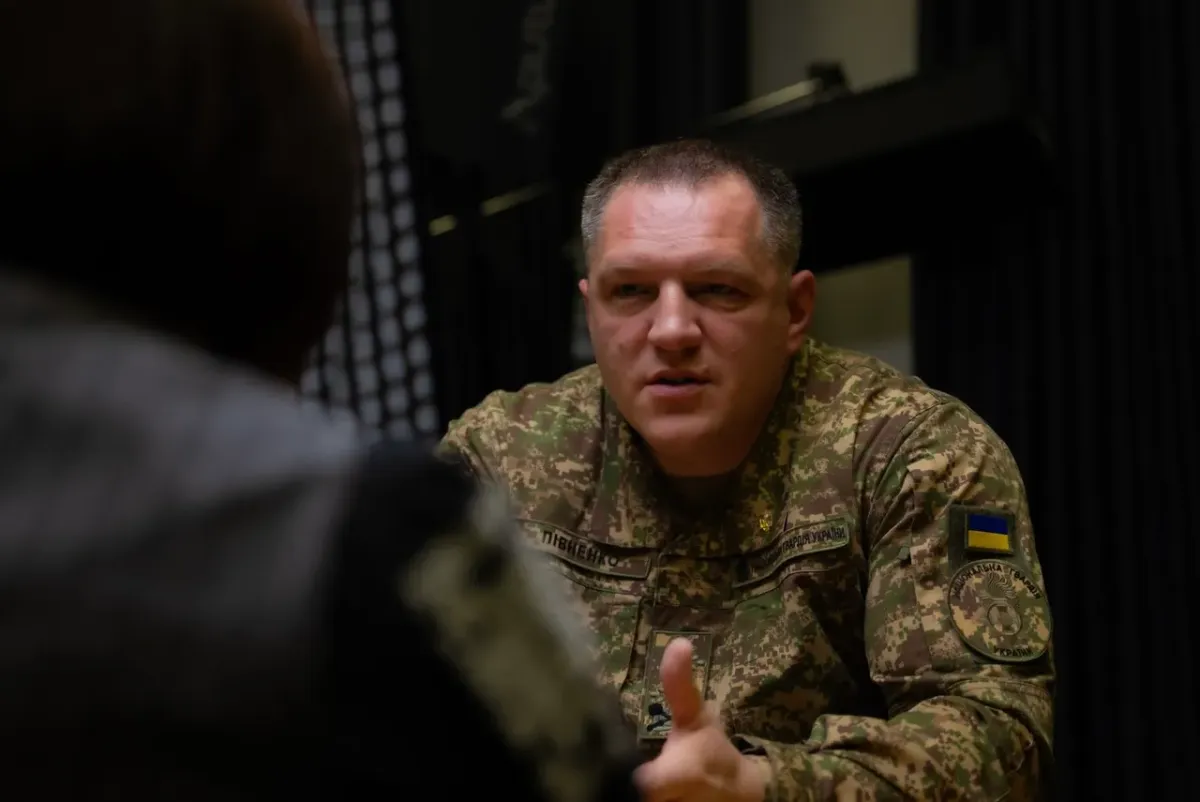
The Commander of the Ukrainian National Guard, Oleksandr Pivnenko, spoke about this in an interview with LIGA.net.
Oleksandr Pivnenko stated that the demobilisation of Ukrainian servicemen would not be possible immediately after the cessation of hostilities.
According to him, once the war is over, the military will need a transition period to adapt to the new conditions and reorganise their operations.
“We will have to learn not to fight. Only then, a year after hostilities cease, will demobilisation be possible. I think this is a realistic assessment,” said Pivnenko.
Why demobilisation may not happen immediately
The Commander of the National Guard explained that once hostilities have ended, the army will need time to stabilise.
In his estimation, this period could last around a year. Only after that, in Pivnenko’s view, will it be possible to talk about demobilisation.
At the same time, he acknowledged that some servicemen are currently stationed on the front line for several months at a time.
What Pivnenko said about recruitment
Pivnenko also stated that he considers recruitment to be the most effective way of replenishing the army.
However, he noted that currently, less than a third of new recruits join the army through this mechanism.
The Commander of the National Guard also noted that the system of territorial recruitment centres needs to be reformed.
However, he does not support the idea of involving military personnel with combat experience in the work of the territorial recruitment centres.
What is important
Pivnenko’s statement is not a decision on the timing of demobilisation. It is the National Guard commander’s assessment of how much time the army may need after the complete cessation of hostilities.
The issue of demobilisation in Ukraine remains politically and socially sensitive, and any changes require separate decisions at the state level.
Follow us on Telegram
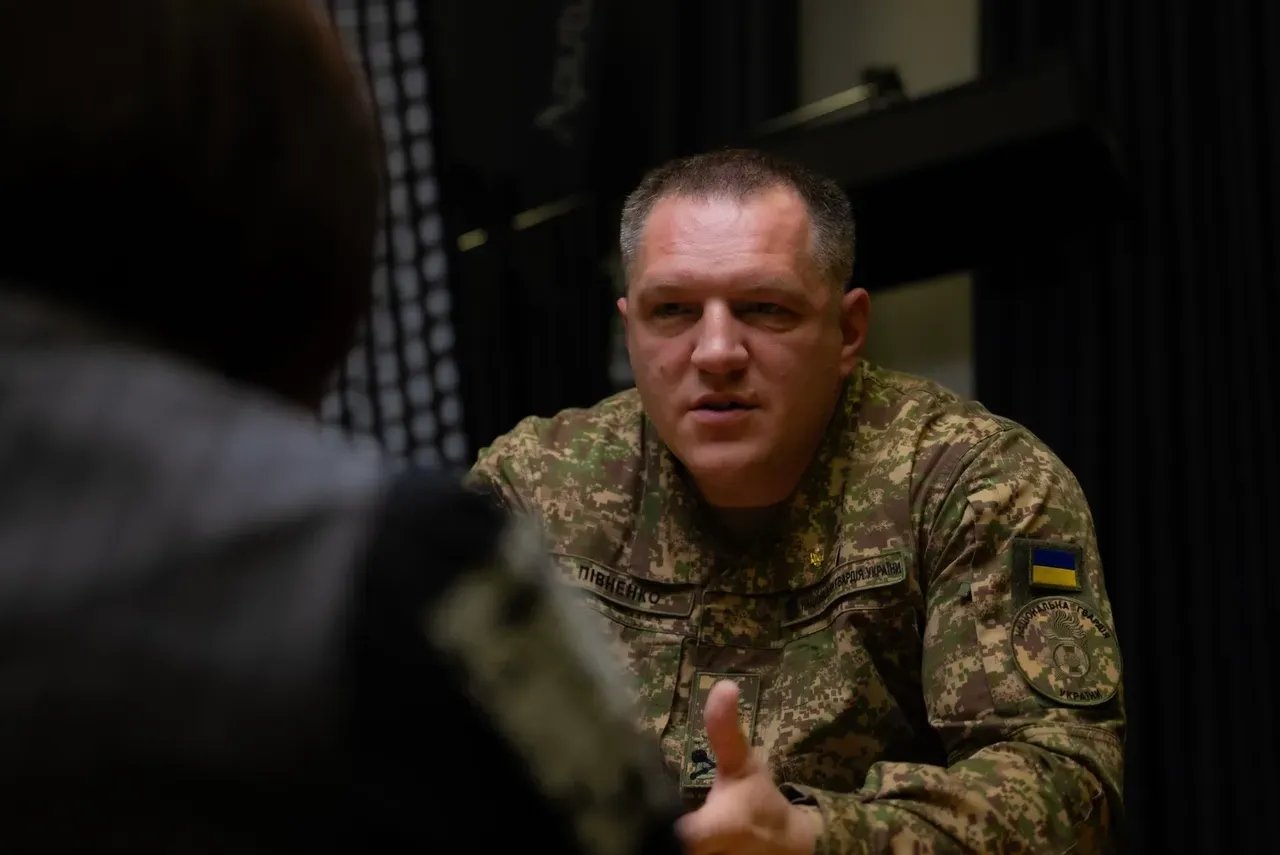
Prior to his appointment as Commander of the National Guard of Ukraine, he served in National Guard units and took part in combat operations against Russian forces. In 2022, he commanded the 3rd ‘Spartan’ Rapid Deployment Brigade, which forms part of the National Guard.
In July 2023, President Volodymyr Zelenskyy appointed Pivnenko as Commander of the National Guard of Ukraine. In this role, he is responsible for the development, combat training and deployment of National Guard units, particularly in the context of full-scale war.
Pivnenko holds the title of Hero of Ukraine. He was awarded this title in 2023 for his personal bravery and effective leadership during the defence of Ukraine.