The era of reducing nuclear weapons worldwide is coming to an end — SIPRI research

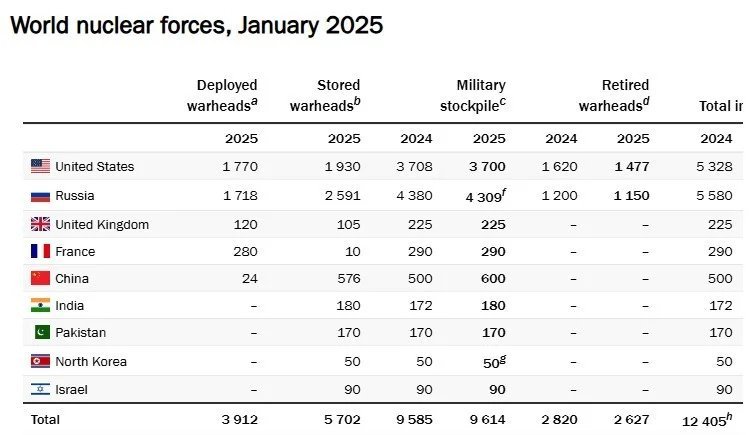
According to the organization, from the total global stockpile, estimated at 12,241 warheads in January 2025, about 9,614 were in military reserves for potential use.
According to expert estimates, 3,912 of these warheads were deployed on missiles and aircraft, while the rest were stored in central repositories, and approximately 2,100 deployed warheads were in a state of heightened combat readiness and mounted on ballistic missiles.
"Almost all of these warheads belonged to Russia or the USA, but now China may also be holding some warheads on missiles in peacetime," — noted in SIPRI.
As reported by the organization, since the end of the Cold War, the gradual dismantling of decommissioned warheads by Russia and the USA has generally exceeded the deployment of new warheads. And this, accordingly, led to an overall annual reduction in global nuclear stockpiles.
"Russia and the USA together possess about 90% of all nuclear weapons. The size of their military reserves (i.e., warheads capable of use) in 2024 has probably remained relatively stable, but both countries are implementing large modernization programs that could increase the size and diversity of their arsenals in the future. If no new agreement on limiting their stockpiles is reached, the number of warheads deployed on strategic missiles is likely to increase after the expiration of the bilateral Treaty on Further Reduction and Limitation of Strategic Offensive Arms (New START) in February 2026," — wrote representatives of SIPRI.
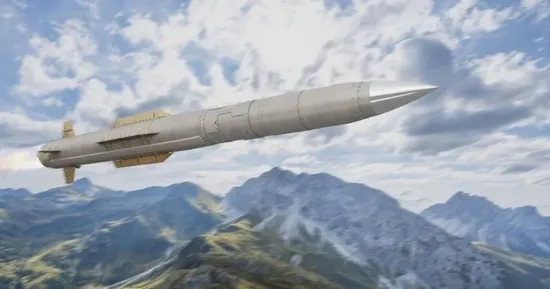
As noted by the organization, Russia's nuclear modernization program also faces issues, including an unsuccessful test and subsequent delay in the launch of the new intercontinental ballistic missile (ICBM) Sarmat in 2024, as well as slower-than-expected modernization of other systems. Additionally, the predicted increase in the number of non-strategic nuclear warheads by the Kremlin, forecasted by US analysts in 2020, has not yet been recorded.
"Nevertheless, in the coming years, an increase in nuclear weapons is likely both in Russia and the USA. The increase in the Russian arsenal will mainly be related to the modernization of remaining strategic forces, aiming to increase the number of warheads on each missile and reloading some silos that were previously emptied. The increase in the USA may occur due to deploying more warheads on existing launchers, reactivating dormant launchers, and adding new non-strategic nuclear weapons to the arsenal. Proponents of nuclear weapons in the USA insist on these steps in response to China's new nuclear deployments," — summarized in SIPRI.