Hungary has lifted its 17-month veto on Ukraine and Moldova joining the EU

Hungary has lifted its 17-month veto on Ukraine’s progress towards European Union membership and has backed the opening of the first round of accession talks, according to the Financial Times.
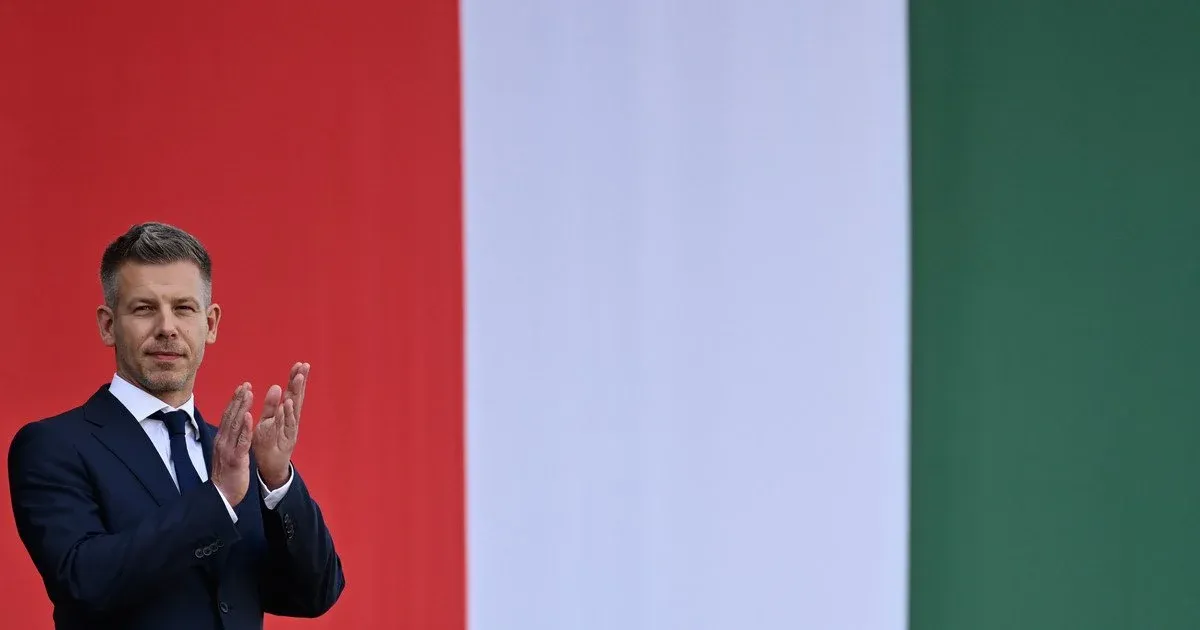
The decision was taken by the government of Prime Minister Péter Magyar, who succeeded Viktor Orbán. It paves the way for Ukraine and Moldova to begin formal negotiations with the EU on 15 June.
Ukraine and Moldova were granted candidate status for EU membership in June 2022. In January 2025, the European Commission recommended starting formal negotiations to bring the national legislation of both countries into line with EU standards, but this process was blocked by the Hungarian government at the time.
The start of negotiations involves work on the first of six negotiation clusters, covering 33 areas of European Union policy and legislation.
Péter Magyar stated that Budapest is ready to support Ukraine’s accession process in exchange for a comprehensive agreement on expanding the linguistic, educational, cultural and political rights of the Hungarian minority in Ukraine.
According to him, following several weeks of negotiations between Ukrainian and Hungarian experts, the parties reached full agreement on the relevant changes. Political organisations and church bodies representing Transcarpathian Hungarians were also involved in the consultations.
Mátyás noted that the Ukrainian side had undertaken to implement the agreed changes to national legislation in the near future. The relevant steps are also to be included in Ukraine’s action plan for the European Union.
“Thanks to this, our Transcarpathian compatriots will have much broader educational, cultural, linguistic and political rights than before,” said the Hungarian Prime Minister.
Brussels expects EU countries to approve the opening of the first negotiation cluster for Ukraine and Moldova during the intergovernmental conference on 15 June.
Cyprus’s Deputy Minister for European Affairs, Marilena Raouna, described the decision to open negotiations as a historic moment for both the candidate countries and the European Union itself. She said that the Cypriot Presidency had worked with all member states to achieve a concrete result.
Ahead of Hungary’s decision, EU representatives reported that over the past year Ukraine and Moldova had continued preparatory work alongside Brussels to meet the necessary conditions for future accession negotiations.