Iran has threatened to escalate the conflict in the event of further strikes by the US and Israel

On 20 May, Iran’s Islamic Revolutionary Guard Corps issued a statement threatening the US and Israel in the event of further strikes on Iranian territory, according to CNBC.
The statement said that in the event of new aggression against Iran, “the regional war that has been warned of will this time go beyond the region”, and that strikes by Iran “will lead to destruction in places that are impossible to imagine”.
The statement came after a series of comments from representatives of US President Donald Trump’s administration regarding a possible resolution to the conflict with Iran.
On 19 May, Donald Trump stated at the White House that Washington could end the conflict with Tehran “very quickly”. According to him, Iran is allegedly interested in reaching an agreement.
US Vice-President J.D. Vance stated during a separate briefing that neither Trump nor Tehran were seeking a resumption of hostilities. He also said that negotiations between the US and Iran were in “fairly good shape”.
“This is not a war of endless duration. We will accomplish our mission and return home,” Vance said, responding to a question about the duration of the conflict.
Earlier, Trump had warned of the possibility of new military action against Iran. According to him, Tehran had two or three days, or until Sunday or the start of next week, to return to the negotiating table.
The US President also stated that he was “an hour away” from deciding to strike Iran on 19 May, but subsequently agreed to postpone that decision.
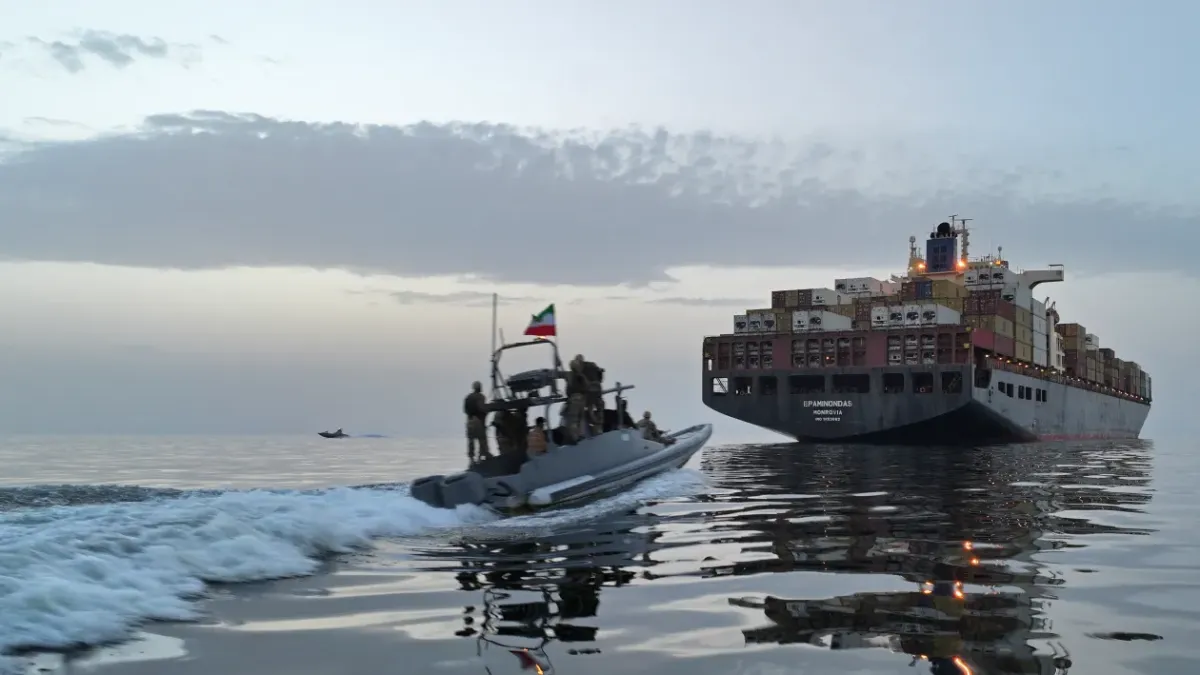
The conflict between Iran and the US and Israel has been ongoing for several weeks now, with an unstable ceasefire in place. Despite the ceasefire, the parties continue to dispute control over the Strait of Hormuz.
Around 20% of global oil and liquefied natural gas supplies usually pass through the Strait of Hormuz. However, since the war began on 28 February, shipping in the area has almost ground to a halt.
US media also note that the conflict is lasting longer than the Trump administration had expected, having initially anticipated a campaign lasting between four and six weeks.