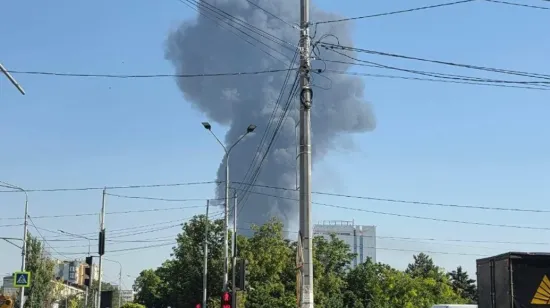
Iran has sent its response to the US regarding proposals to end the war

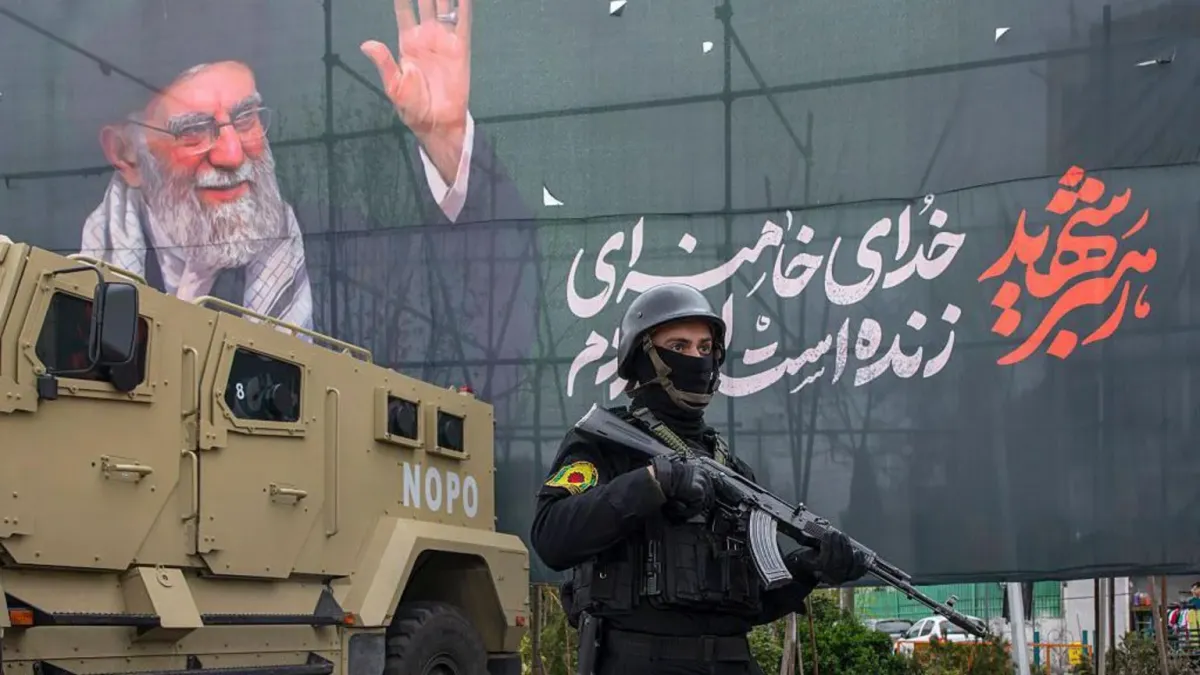
Iranian state media have reported that Tehran has conveyed its response to US proposals for ending the war via intermediaries in Pakistan, according to the BBC.
The details of the response have not been made public. The US has also not officially disclosed the content of its proposals. According to media reports, they are based on a 14-point memorandum, which could form the basis for negotiations on Iran’s nuclear programme.
The ceasefire, which was intended to create conditions for negotiations following the outbreak of war involving the US and Israel in February, is generally being observed, although the parties occasionally exchange strikes.
At the same time, Iran continues to block the Strait of Hormuz, which has caused global oil prices to rise. The US, for its part, is enforcing a blockade of Iranian ports in an attempt to force Tehran to agree to American terms.
Iranian President Masoud Pezeshkian stated on Sunday that the country “will never bow its head to the enemy”.
Later, on social media platform X, he wrote that dialogue or negotiations do not mean capitulation or retreat.
“The aim is to defend the rights of the Iranian people and national interests with resolute force,” said Pezeshkian.
US President Donald Trump reiterated this week that a war in Iran would “end quickly”, and emphasised that most people “understand” his aim of curbing Tehran’s nuclear ambitions.
According to Axios, the 14-point memorandum provides for Iran to suspend uranium enrichment, the lifting of sanctions and the restoration of free navigation through the Strait of Hormuz.
The publication, citing US officials and other sources, reported that the implementation of many of the points would depend on a final agreement being reached.
A senior member of the Iranian parliament previously described the document as a “wish list”.
Tehran has also warned neighbouring countries of the consequences of complying with US sanctions.
Military spokesman Mohammad Akraminia stated that ships passing through the Strait of Hormuz would face “serious consequences” if they did not cooperate with Iran beforehand.
He also stated that the US “will never be able to turn this area in the northern Indian Ocean into a genuine blockade”.
Around a fifth of the world’s oil and natural gas supplies usually pass through the Strait of Hormuz. Since the war began on 28 February, Iran has tightened its control over the waterway and has warned or attacked vessels attempting to pass through the strait.
The US has a significant military presence in the Gulf states, notably in Qatar, Bahrain, Kuwait, the United Arab Emirates, Saudi Arabia and Oman.
On Monday, defence ministers from more than 40 countries are set to discuss a British initiative to protect shipping in the Strait of Hormuz.
British Defence Secretary John Healey and his French counterpart Catherine Vautrin will chair the meeting, where discussions on maritime traffic control following the cessation of hostilities are planned.
On 6 May, Donald Trump wrote on Truth Social that if Iran does not agree to a deal, “the bombing will begin with far greater intensity than before”.