Iran is restoring its missile bunkers within hours of the strikes

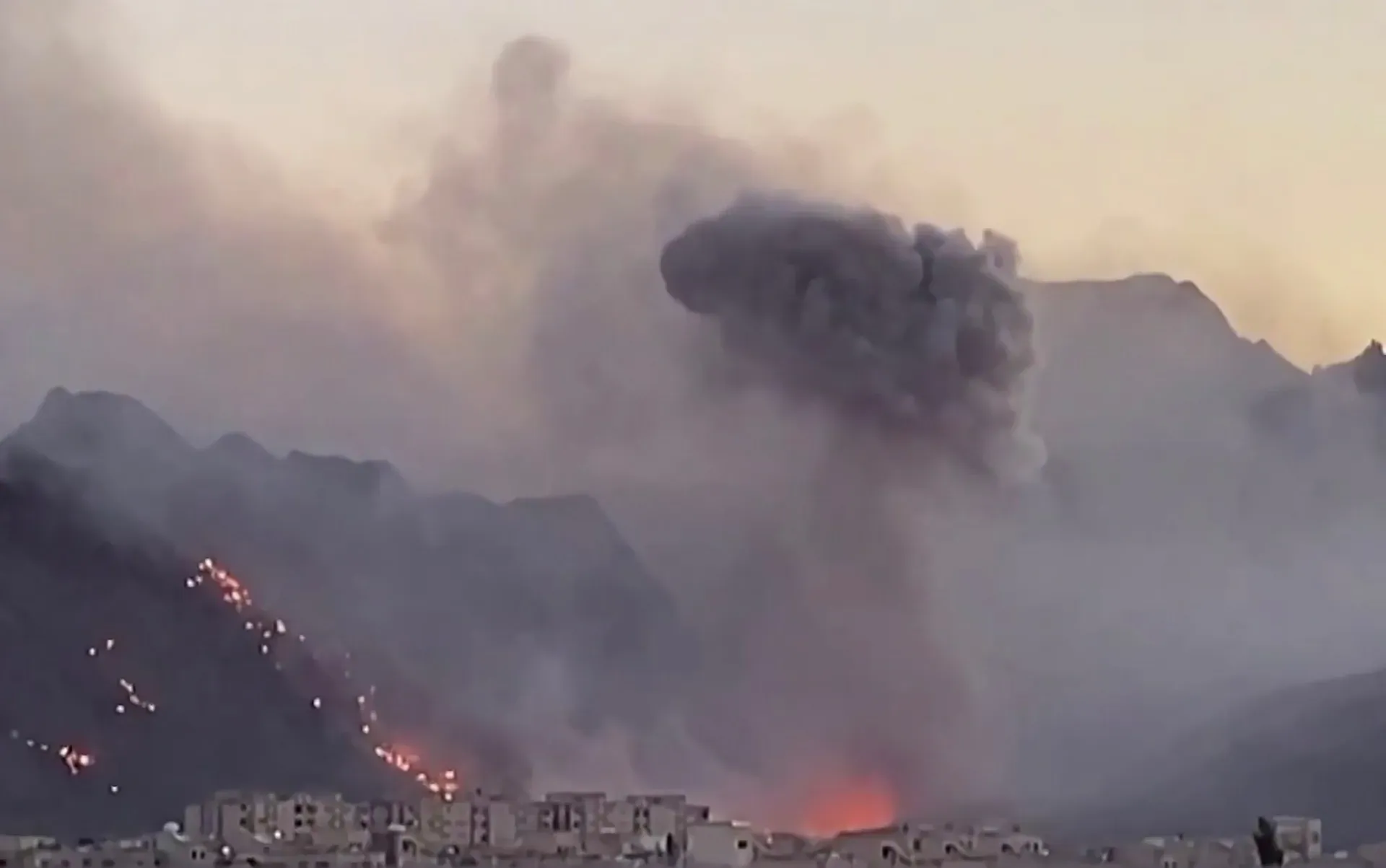
Iran is restoring its missile bunkers within hours of strikes by US and Israeli forces, according to intelligence reports, The Telegraph reports.
The White House had cited the decline in drone and missile attacks by Iran since the start of the war as evidence of a weakening in Tehran’s ability to strike in the Persian Gulf. At the same time, according to US intelligence data published in The New York Times, Iran has retained a significant number of missiles and mobile launchers and is rapidly restoring damaged infrastructure.
Analysts have previously noted that the reduced intensity of strikes may indicate Iran’s adaptation, in particular the improvement of camouflage for launchers after their use.
US officials also point out that the Iranian authorities are seeking to preserve as much missile launch capability as possible in order to be able to exert pressure should the war drag on or after its conclusion.
According to the Pentagon, 11,000 targets within Iran were struck during the first five weeks of the war. The Israel Defence Forces reported that three-quarters of Iran’s missile launchers had been destroyed by 7 March.
New intelligence data casts doubt on the extent of the destruction of Iran’s missile capabilities, as missiles and drones launched by the Islamic Revolutionary Guard Corps continue to strike targets in the Persian Gulf region.
The number of missile launches has fallen significantly since the start of the war, from hundreds a day to fewer than 40, of which around 20 are directed at Israel. At the same time, Iran is launching between 50 and 100 attack drones daily at targets in the Middle East. Most of these are intercepted by US, Israeli and Gulf forces.
Experts warn that after the destruction of a significant number of launchers, the military may face reduced effectiveness in detecting and neutralising the remaining systems. Iran also has a geographical advantage in concealing them.
Previously, Iran and state-linked media reported the existence of underground missile bases, referred to as “missile cities”.
US Defence Secretary Pete Hagseth stated that Iran would continue to launch missiles, but they would be intercepted. He also added that even if the launchers were moved underground, they would be detected.
Despite claims by the US and Israel of air superiority over Iran, American special forces had to enter the country to rescue the pilot of an F-15E fighter jet. As of Saturday, the search continues for the aircraft’s weapons officer, who went missing after the jet was shot down on Friday.
According to reports linked to the Iranian authorities, citizens are being offered a reward of around £50,000 for assistance in apprehending the missing serviceman.
On Saturday night, debris from a drone fell on the office of an American technology company in Dubai. According to a statement from the United Arab Emirates, the drone was intercepted and only debris damaged the building; there were no casualties.
A statement from the Dubai Media Office on X noted that the incident was minor and occurred due to debris falling after the interception of an aerial target near the Oracle building in Dubai Internet City.
Earlier, the Iranian authorities had threatened to attack American technology companies in the Middle East.