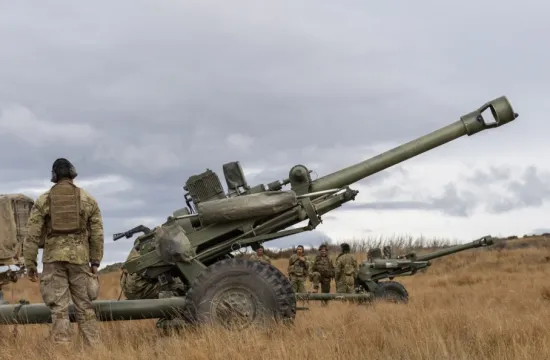
Spain has backed the creation of a joint European Union army

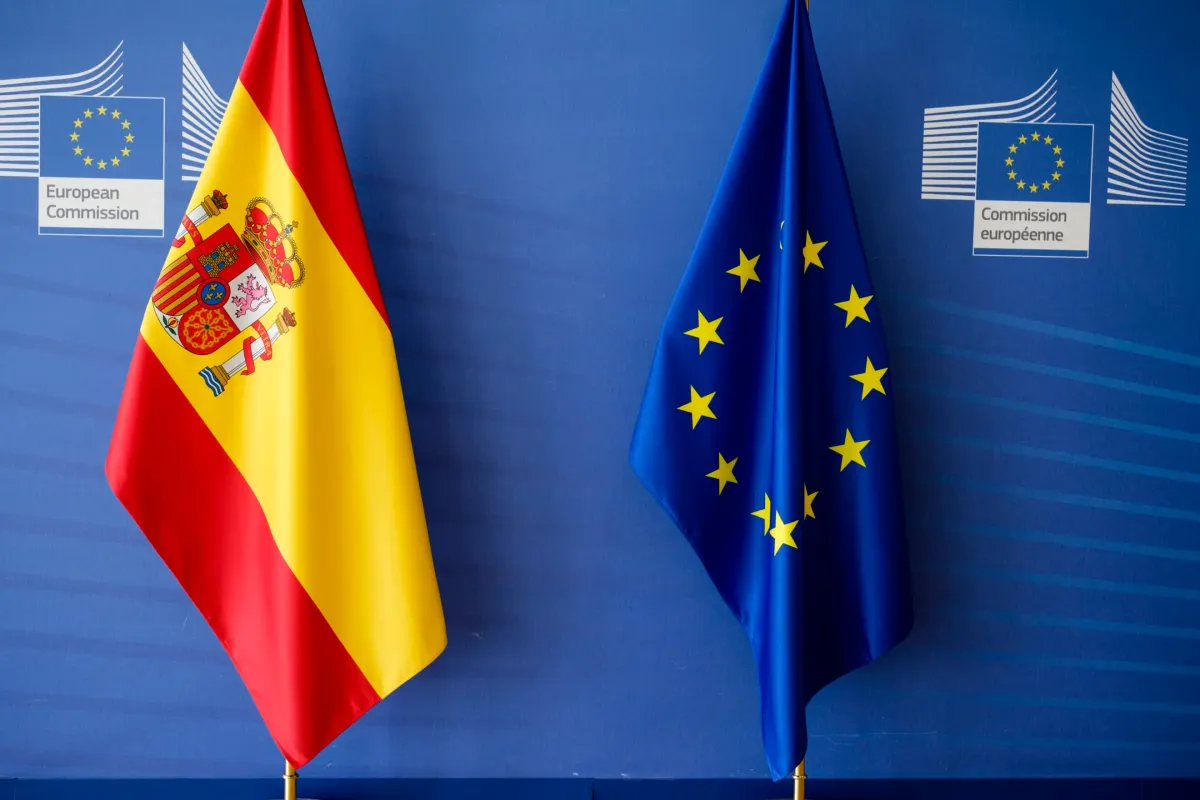
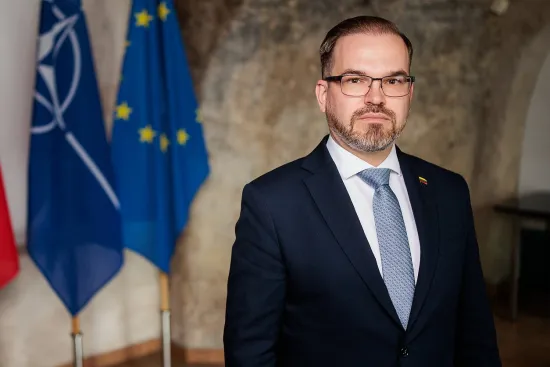
Spanish Foreign Minister José Manuel Albares has called for the creation of a single European army. Speaking at a meeting of the EU Foreign Affairs Council in Brussels, he stressed that Europe must stop relying entirely on US security guarantees, according to Politico.
According to Albares, the current geopolitical situation requires European states to have greater autonomy and a readiness to respond swiftly to threats.
“We cannot wake up every morning wondering what the US will do next,” he said.
The EU is calling for greater defence autonomy
José Manuel Albares stated that the European Union must be independent of external pressure, whether it be trade tariffs or military threats.
He cited the situation surrounding Iran as one of the factors that has intensified the debate on Europe’s strategic autonomy.
“We need armed forces, a common defence capability,” noted the Spanish Foreign Minister.
At the same time, Albares emphasised that the creation of a European army should not be seen as an alternative to or a threat to NATO.
“If NATO no longer provides the same level of protection as before, then Europeans must do more on their own,” he said.
The Spanish minister’s remarks reflect a broader shift in sentiment within the European Union.
European countries are increasingly talking about the need to strengthen their own defence capabilities against a backdrop of doubts regarding the predictability of Washington’s policy. Earlier, European Commissioner for Defence Andrius Kubilius proposed creating a new defence union with a standing army. According to him, such a structure could operate on the principle of the Schengen Area and include not only EU countries but also the UK, Norway and Ukraine.
Ursula von der Leyen has previously supported greater defence integration
The idea of deepening defence integration has also been previously voiced by European Commission President Ursula von der Leyen. Her initiatives envisage an increase in defence spending, the development of production capacities and enhanced coordination between EU member states. At the same time, the European Union’s defence policy currently remains the responsibility of national governments.