The Lithuanian Defence Minister has stated that Russia may regard the Baltic states and Poland as its next targets

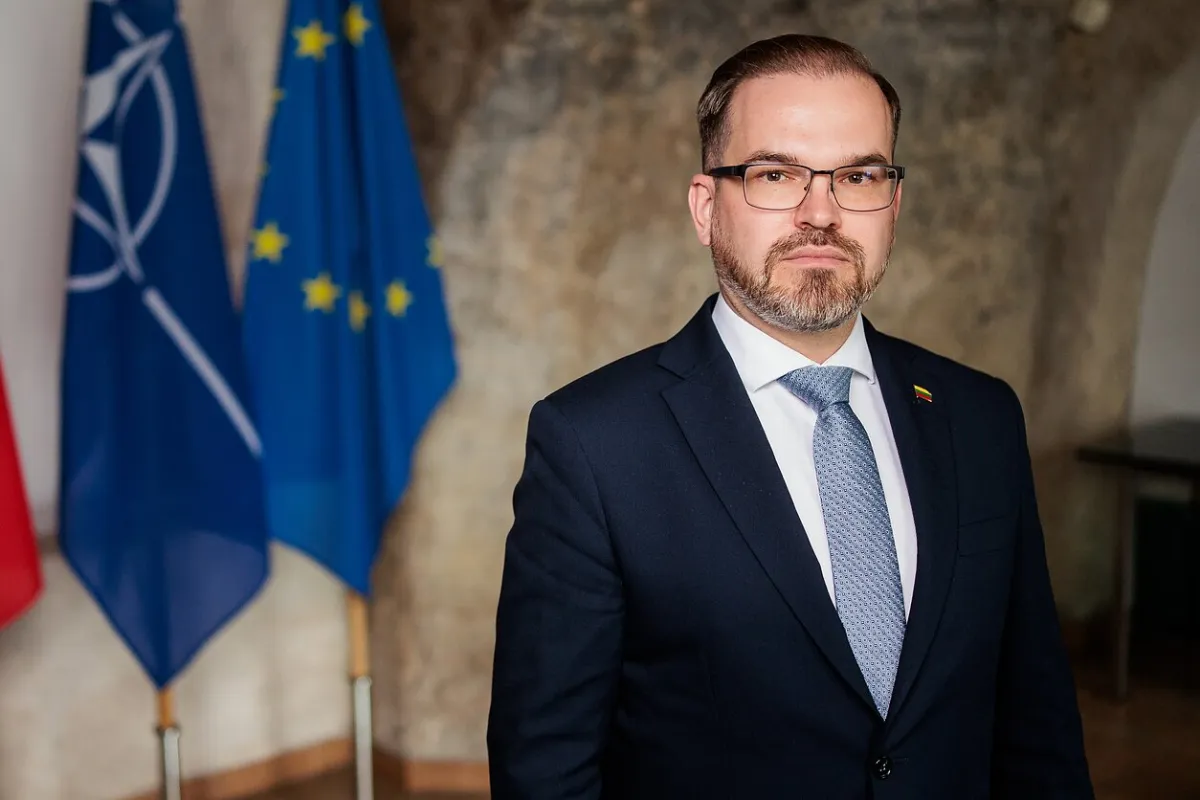
Lithuanian Defence Minister Robertas Kaunas has stated that Russia has failed to achieve its objectives in the war against Ukraine, and that the Kremlin may therefore seek a further escalation.
“As the war in Ukraine is not unfolding as Russia had planned, they cannot win, and today explosions are already being heard on Russian territory itself, and there is a fuel shortage. Russian society is already asking the Kremlin why this is happening and where the promised victory is,” Kaunas said on LRT.
According to him, the Kremlin and Vladimir Putin need a new victory, and the Baltic states and Poland are the closest possible targets.
The statement came after Lithuanian President Gitanas Nausėda confirmed reports that had previously appeared in the foreign media regarding possible Russian provocations against Poland or the Baltic states, aimed at testing NATO’s unity.
According to Nausėda, this assessment is based on intelligence and concerns possible attacks on critical infrastructure, which could be carried out using both conventional military means and hybrid methods.
Poland’s Foreign Minister Radosław Sikorski had previously stated that Russia could organise an operation under a false flag using Ukrainian-made drones.
At the same time, the Commander of the Lithuanian Armed Forces, General Raimundas Vaikšnoras, stated that he currently sees no signs of an imminent threat of conventional military aggression by Russia against Lithuania or other Baltic states. However, he added that provocations involving the use of military means cannot be ruled out.
He also noted that Lithuania’s Western allies share similar intelligence assessments, and called for continued close monitoring of Russia’s actions and rhetoric, strengthening societal resilience and increasing investment in defence.
Against the backdrop of potential risks, Lithuania has recently stepped up security at critical transport and energy infrastructure sites.
According to Robertas Kaunas, additional security measures have been introduced at bridges, electricity substations, gas supply facilities and communications hubs. Further contingency plans are also being drawn up in the event of possible actions by the Kremlin.
The Lithuanian Ministry of the Interior has stated that physical security for strategic facilities will be provided by the Public Security Service, with the Armed Forces providing assistance where necessary.
The Defence Minister emphasised that the situation is being continuously assessed on the basis of intelligence, and that all measures are being coordinated with NATO allies.
At the same time, he stressed that Lithuania does not seek to provoke Russia, but as a member of NATO and the European Union, it continues to strengthen its own defence, military capabilities and integration with Western partners.
The article notes that discussions regarding possible Russian provocations have intensified against the backdrop of mounting pressure on Moscow due to the situation on the battlefield. In recent months, Ukraine has carried out a series of successful drone strikes on targets in the Russian oil industry.