Israel and Lebanon have agreed to a ceasefire amid talks over the war with Iran

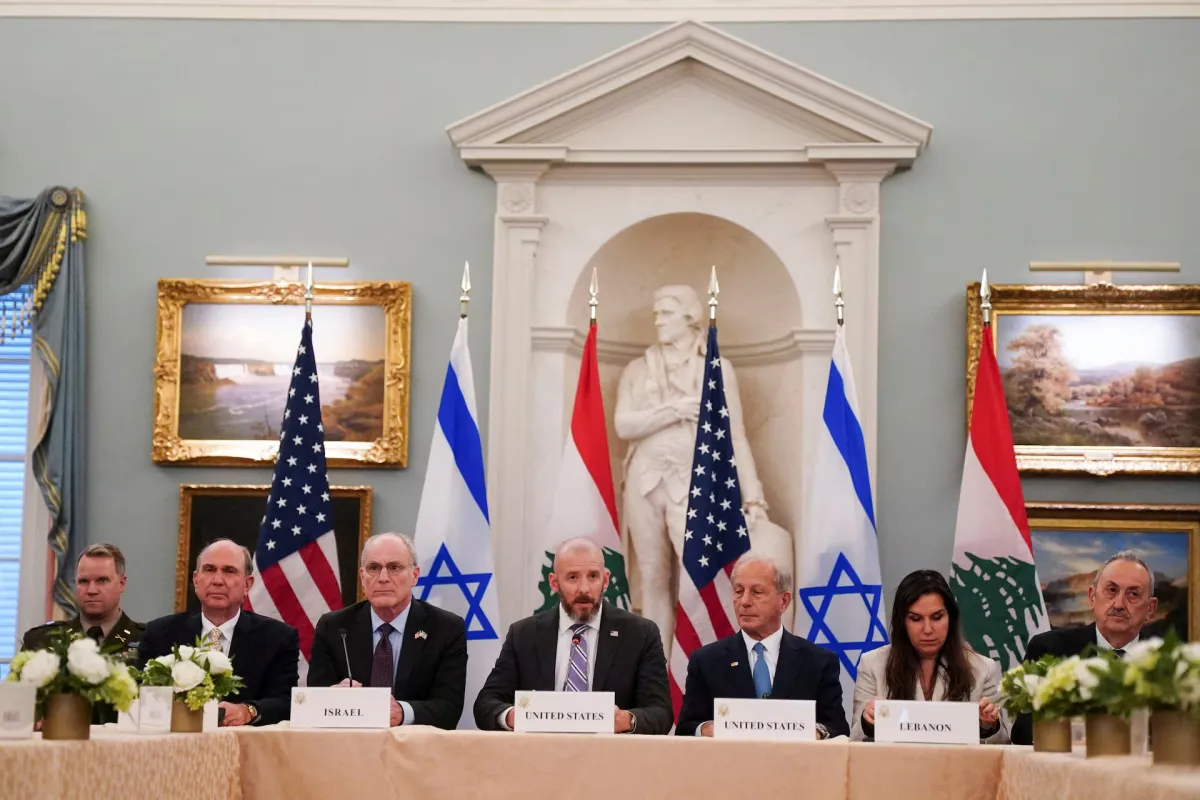
Israel and Lebanon have agreed to implement a ceasefire to bring the fighting to an end. This was announced on 3 June by the administration of US President Donald Trump, according to Reuters.
A joint statement from the US State Department states that the agreement provides for a complete ceasefire by the Iran-backed group Hezbollah, as well as the withdrawal of all its representatives from the South Litani sector.
The parties had already agreed to a ceasefire last month, but hostilities continued thereafter. Israel launched an operation on Lebanese territory in March, pursuing Hezbollah fighters who were firing across the border in support of Tehran.
The new agreements were reached against the backdrop of yet another escalation in the region. Earlier, Iran struck Kuwait, damaging airport infrastructure and injuring dozens of people. At the same time, the US military was conducting operations near the Strait of Hormuz.
According to Kuwaiti authorities and state media, operations at the international airport were temporarily suspended following the attack. Later, Kuwait Airways and Jazeera Airways resumed flights after implementing additional security measures.
Iran’s Islamic Revolutionary Guard Corps stated that it had not attacked Kuwait’s airport, attributing the damage to US interceptor missiles. The US rejected these claims and stated that Iranian drones had deliberately attacked the airport.
Iranian media also reported strikes on the headquarters of the US Fifth Fleet in Bahrain, a US airbase and the Panaya vessel. US Central Command stated that its bases had not been hit and that Iranian ballistic missiles had failed to reach their targets.
CENTCOM reported a new series of defensive strikes in southern Iran. According to the US, the targets included missile launchers, Iranian boats attempting to lay mines, and sites on Qeshm Island following attempted attacks by Iran.
Since the US and Israeli strikes on Iran began on 28 February, Tehran has repeatedly attacked targets in the Gulf states where US military bases are located. Despite the ceasefire announced in early April, the situation has escalated repeatedly in recent weeks.
Last week, Iran and the US reported some progress towards a preliminary agreement to end the war and reopen the Strait of Hormuz, but no final agreements have yet been reached.
Iranian Foreign Minister Abbas Araghchi stated that negotiations have not ceased, but there has been no significant progress so far.
Tehran’s conditions for a possible agreement remain the cessation of hostilities in Lebanon, access to oil export revenues, the easing of sanctions on crude oil exports, the lifting of the US blockade of ports, and the preservation of influence over the situation in the Strait of Hormuz.
US President Donald Trump stated that Washington’s top priority remains preventing Iran from acquiring nuclear weapons. According to him, Tehran has agreed not to possess such weapons, and Iran’s Supreme Leader Ali Khamenei is participating in the negotiations.
Later, Trump suggested that signs of progress in the negotiations between the parties could emerge as early as this coming weekend.
Meanwhile, on Wednesday, Israeli drone strikes in southern Lebanon claimed the lives of at least six people, according to Lebanese security sources. A vehicle near Beirut was also attacked.
Abbas Araghchi stated that Iran would respond decisively in the event of Israeli strikes on Beirut.
In a comment for a podcast, Donald Trump confirmed that during a telephone conversation with Israeli Prime Minister Benjamin Netanyahu, he had called for a cessation of hostilities in Lebanon.
Netanyahu, for his part, said that while he and Trump sometimes have tactical differences, their positions on key issues relating to Iran are aligned.