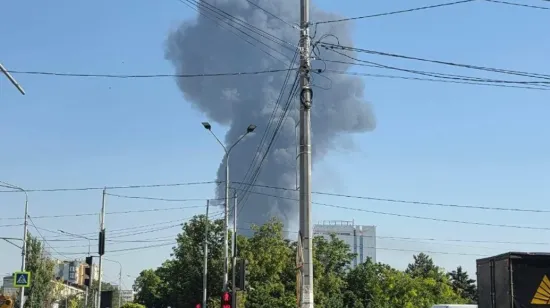
Israel has carried out more than 120 air strikes on Lebanon and expanded its ground operation

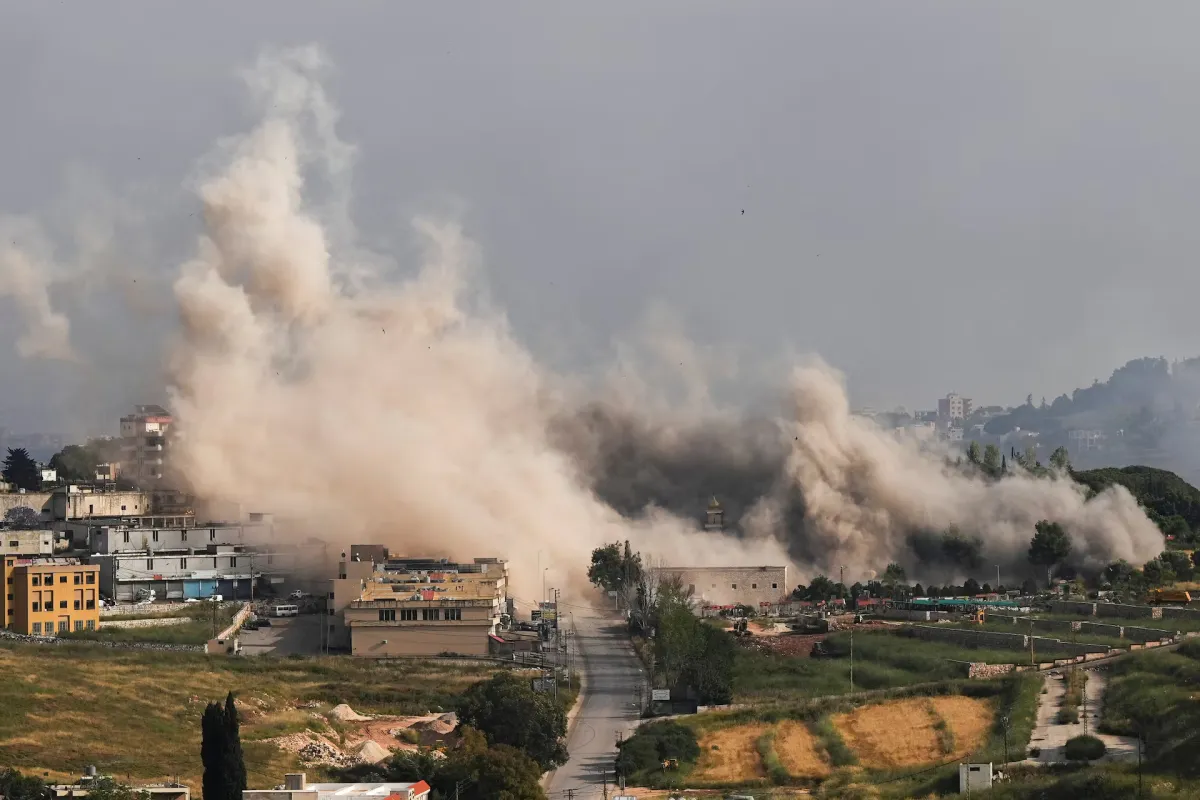
Israel has carried out more than 120 air strikes on southern and eastern Lebanon. This was reported to Reuters by Lebanese security sources.
Israeli Prime Minister Benjamin Netanyahu stated that the Israeli army is intensifying its operation in Lebanon and “is operating with significant forces on the ground, capturing and controlling areas”.
According to him, Israel is strengthening a “security zone” to protect the country’s northern communities. This refers to a self-declared security zone controlled by Israeli forces several kilometres deep into southern Lebanon.
The bombings took place against the backdrop of a ceasefire announced on 16 April, which was intended to halt hostilities between Israel and Hezbollah.
The Lebanese Ministry of Health reported that 31 people had been killed and a further 40 injured as a result of Israeli strikes in recent hours.
According to the state news agency NNA, 14 people were killed in the town of Burj al-Shamali in southern Lebanon, including two children and three women.
Some of the strikes hit near the nearly 900-year-old Beaufort Castle. UNESCO describes it as one of the best-preserved examples of medieval castles in the region.
At least three more strikes hit near the Karoun Dam in eastern Lebanon, home to the country’s largest reservoir.
Two sources told Reuters that the Israeli army had expanded its ground operations in southern Lebanon beyond the so-called ‘Yellow Line’.
This line forms part of a proposed buffer zone extending 5 to 10 kilometres into Lebanese territory and is separate from the ‘Blue Line’ established by the UN following the withdrawal of Israeli troops in 2000.
The Israeli army had previously urged residents of dozens of villages in this area not to return home. There are also reports of houses being destroyed in the area of operations.
A spokesperson for the Israeli army stated that the military is “carrying out targeted operations beyond the forward defence line” to eliminate direct threats to Israeli citizens and military personnel.
The day before, Netanyahu announced his intention to intensify strikes against Hezbollah. Meanwhile, a US official told Reuters that the Iran-backed group had ignored warnings to cease its attacks.
Hezbollah reported that on 26 May it had attacked Israeli forces and tanks advancing towards the town of Zavtar al-Sharqiya in southern Lebanon. According to the group, explosive drones, rockets and artillery were used in the strikes.
The Lebanese Ministry of Health stated that since 2 March, when Hezbollah fired on Israel in response to the outbreak of war with Iran, 3,213 people have been killed and a further 9,737 wounded as a result of the Israeli operation.
The Israeli army reported that since the ceasefire on 16 April, 10 Israeli soldiers have been killed, six of them in strikes by Hezbollah drones.
The World Health Organisation stated that at least 608 people had been killed in Lebanon as a result of Israeli attacks following the declaration of the ceasefire.
Hezbollah has not released any official figures on its own casualties.