Israel fears that Trump will strike a deal with Iran without achieving the war’s objectives

Israeli sources have told CNN that there are concerns in Jerusalem over a potential deal between the US and Iran that would allow Tehran to retain part of its nuclear programme, whilst leaving the issues of ballistic missiles and support for Iran’s regional allies out of the negotiations.
One of the sources stated that the main concern is that Donald Trump might “grow tired of the negotiations and strike any deal involving concessions at the last minute”. According to him, the US side has assured Israel that the issue of highly enriched uranium stocks will be resolved, but the exclusion of the topics of ballistic missiles and Iran’s proxy network is a serious problem.
During the war, Iran fired over a thousand ballistic missiles at Israel and the Gulf states, and also deployed drones.
Israeli officials believe that a partial deal, which would ease economic pressure on Iran without addressing key threats, could stabilise the Iranian regime and provide it with additional financial resources.
The White House stated that Iran “understands full well that the current situation is unsustainable for it”. Administration spokeswoman Olivia Wales emphasised that Donald Trump “holds all the cards” in the negotiations.
“Their ballistic missiles have been destroyed, their production facilities dismantled, their fleet sunk, and their proxies weakened,” said Wails.
At the same time, an agreement between the US and Iran is not yet guaranteed. According to CNN, serious differences remain between the parties regarding the opening of the Strait of Hormuz and the future of Iran’s nuclear programme.
Narrowing the objectives
At the start of the war, Donald Trump stated that the US sought to destroy Iran’s ballistic missile programme, end support for regional proxies and shut down Iran’s nuclear facilities. However, after ten weeks, negotiations had effectively focused on the issue of enriched uranium and the Strait of Hormuz.
Back in February, Israeli Prime Minister Benjamin Netanyahu listed five conditions for an acceptable deal. These included the removal of all enriched uranium, the dismantling of enrichment capabilities, the issue of ballistic missiles, the elimination of Iran’s proxy network, and strict control over the nuclear programme.
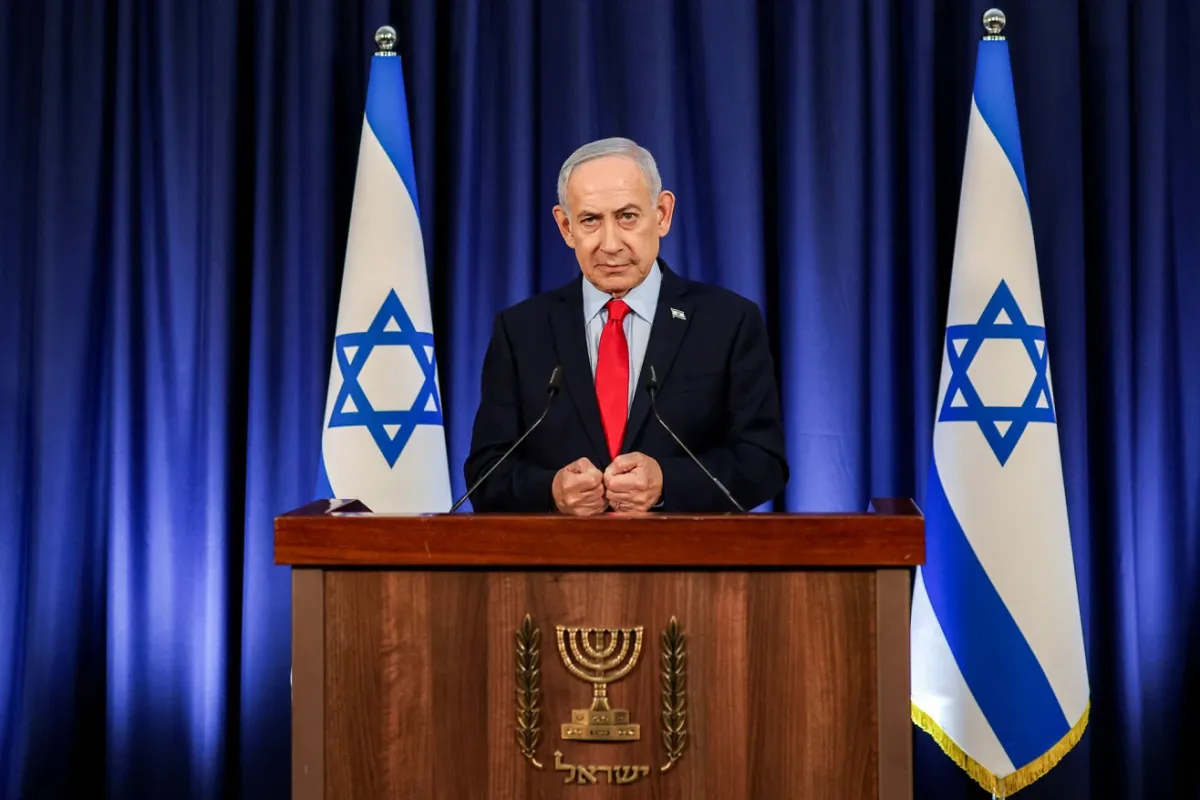
Last week, Netanyahu narrowed the list of demands down to a single point. In an address before a meeting of the Israeli Security Cabinet, he stated that the most important objective is the removal of all enriched material from Iran and the dismantling of uranium enrichment facilities.
According to one source, Israel understands that the issues of missiles and proxies are “likely no longer being considered” in draft diplomatic agreements, which is why Netanyahu is focusing specifically on uranium.
Israeli sources also reported that Netanyahu is relying on direct contacts with Donald Trump, whilst not fully trusting US Special Envoys Steve Witkoff and Jared Kushner, who are conducting negotiations with Iran.
The Israeli side fears a possible interim agreement that would extend the ceasefire, open the Strait of Hormuz and ease sanctions pressure on Iran without resolving the nuclear issue.
“We will be happy if the deal does not go through”
A senior Israeli official told CNN that the country remains on standby in case the talks collapse.
“We will be satisfied if there is no deal, we will be satisfied if the blockade of the Strait of Hormuz continues, and we will be satisfied if Iran takes a few more hits,” the source said.
According to CNN, the US and Israel are also continuing to coordinate potential military plans regarding Iran, including strikes on energy infrastructure and the elimination of the country’s leadership should the talks fail.
Israel is also insisting on the inclusion of two specific clauses in any potential agreement: a complete ban on uranium enrichment for the duration of the deal, and the dismantling of the Fordow underground facility and the Pickaxe Mountain complex.
A senior Israeli military official previously told journalists that ending the war without removing enriched uranium from Iran would be seen as a failure.