The EU is ready to begin accession talks with Ukraine

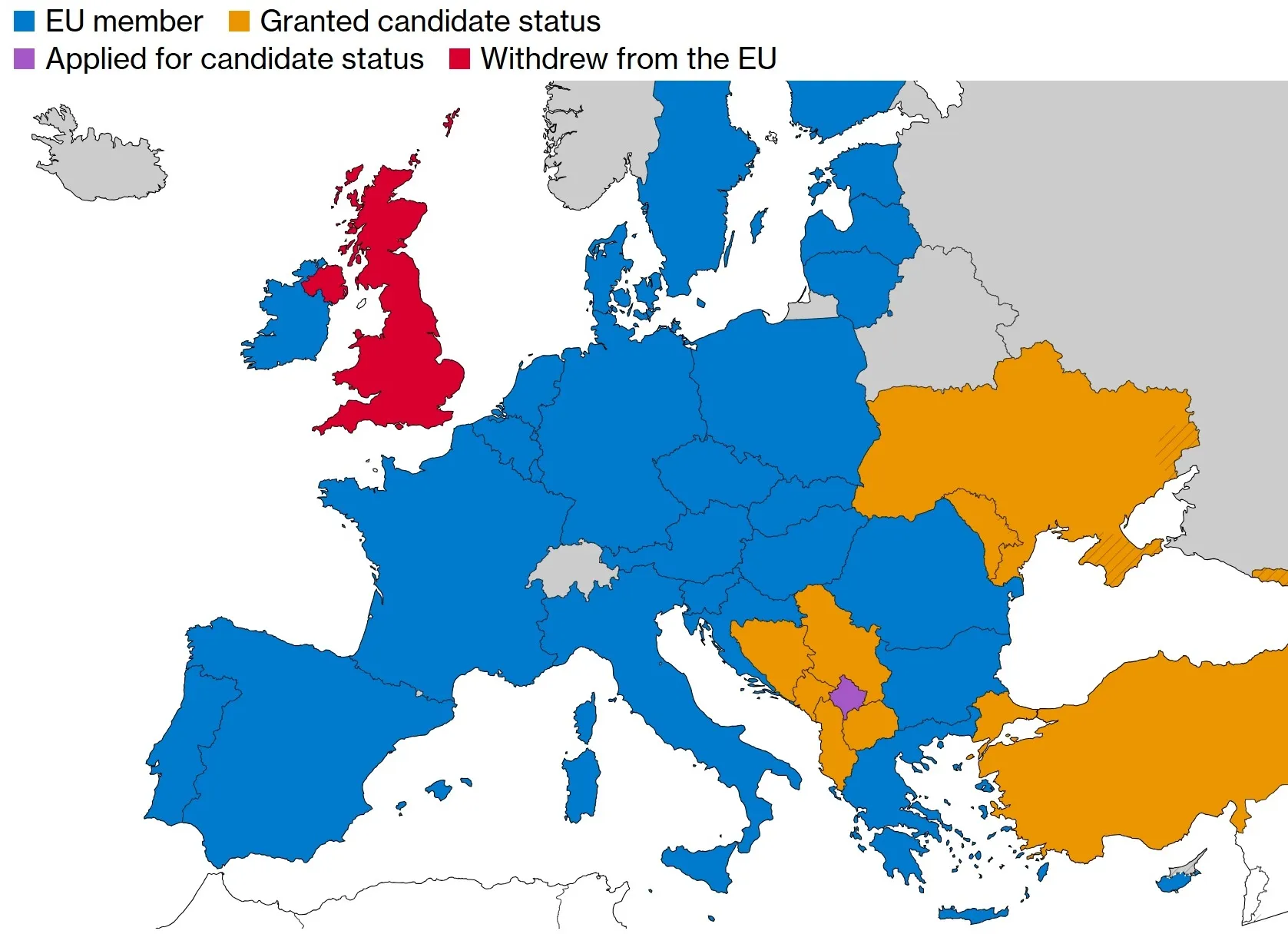
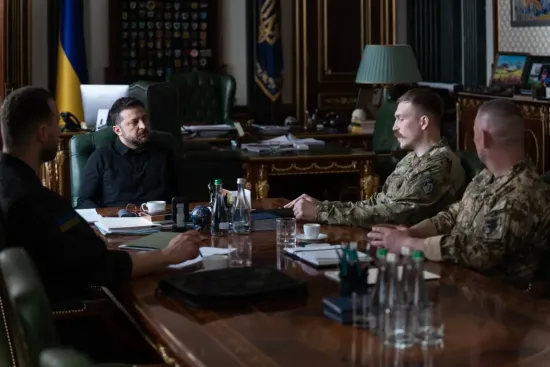
European Union leaders have stated that the preconditions for launching the first phase of negotiations on Ukraine’s accession to the bloc have been met. This comes as a boost to Ukrainian President Volodymyr Zelenskyy’s efforts towards European integration, according to Bloomberg.
During the summit in Cyprus on 23 April, leaders agreed that negotiations could begin in the coming weeks or months. This was reported by an EU representative speaking on condition of anonymity.
However, no specific timeline has been set for Ukraine’s accession to the European Union. The accession process for Croatia, which was the last country to join the EU, took around ten years.
The discussion took place following an intensification of Ukraine’s accession efforts, in particular after Hungary lifted its veto on a €90 billion loan for Ukraine.
President Volodymyr Zelenskyy had previously stated that Ukraine deserves full membership, rejecting ideas of an alternative integration format with fewer rights. Such proposals had been put forward by France and Germany ahead of the summit.
“Ukraine does not need symbolic EU membership,” Volodymyr Zelenskyy said before the summit began. “Ukraine is defending itself and is undoubtedly defending Europe.”
According to Zelenskyy, the decision on financial support is important not only from a political point of view. “This is not just a positive decision, it is also about survival,” he noted.
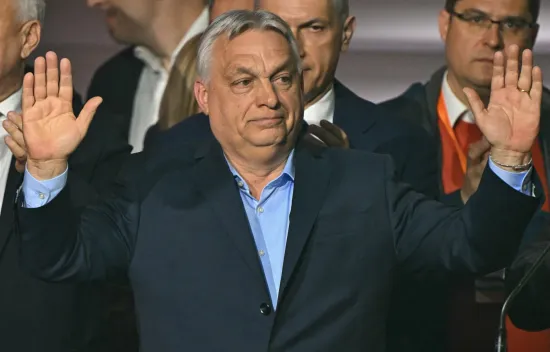
Following the lifting of the block on the loan, EU member states also agreed on a new package of sanctions against Russia. This is linked, in particular, to Viktor Orbán’s defeat in the elections.
Hungary’s new Prime Minister, Péter Magyar, is expected to be sworn in in early May. In Brussels and Kyiv, there is hope that this will allow progress to be made in assessing Ukraine’s compliance with membership criteria.
At the same time, a number of EU countries do not support speeding up the accession process. Among the reasons cited are the potential impact on the EU budget, as well as on the agricultural and transport sectors.
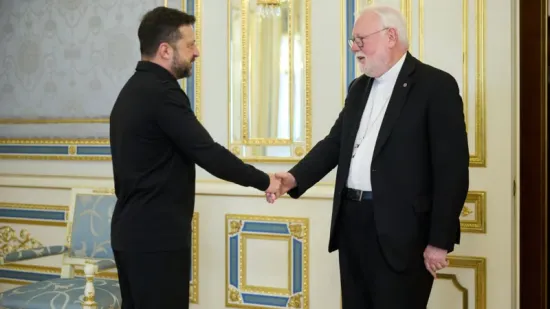
Lithuanian President Gitanas Nausėda emphasised the importance of a merit-based approach. Following a meeting with Zelenskyy, he cited 2030 as a tentative date.
Germany has prepared a proposal for so-called associate membership for Ukraine. Under this option, the country could gradually integrate into EU programmes and participate in meetings, but without voting rights.
Ukraine has stated its readiness to postpone access to certain programmes, particularly agricultural policy, but insists on full membership.
Belgian Prime Minister Bart De Wever supported discussions on various formats of cooperation for candidate countries. He noted that European enlargement could take place according to a model of several levels of integration.
Volodymyr Zelenskyy also called for the possibility of Ukraine’s accession as early as 2027 to be explored within the framework of future peace agreements. At the same time, the accession process usually takes years.
“We are defending our shared European values,” said the President of Ukraine. “I believe we deserve full membership of the European Union.”
Estonian Prime Minister Kristen Michal stated that there is no alternative to Ukraine’s full membership of the EU.