The European Union has canceled multiple-entry visas for Russians

Tamara Vasylchuk
Tamara Vasylchuk Journalist
The European Commission has decided that Russian citizens will no longer receive multiple-entry visas to the EU due to security threats, sabotage, and abuse of the visa regime.

The European Commission adopted a decision to introduce stricter visa issuance rules for Russian citizens, taking into account the increased security risks due to the war in Ukraine and the potential use of migration as a weapon.

«Russia's illegal and unprovoked aggressive war against Ukraine continues to pose a serious threat to European security, with heightened risks related to sabotage, disinformation, and drone incursions into the EU», — stated Vice-President for Technological Sovereignty, Security, and Democracy, Hennadiy Virkkuonen.

According to European diplomacy chief Kaja Kallas, «Our duty is to protect our citizens. From now on, more stringent rules will apply to Russian citizens applying for visas to travel to the EU. Travel to the EU and free movement within the EU are privileges, not rights».

Russian citizens will no longer be able to obtain multiple-entry visas to an EU member country — they will need to apply for a new visa for each trip, allowing for more thorough screening of applicants and reducing potential security risks.

The decision covers all EU member states and is made within the framework of the Schengen Visa Cooperation to enhance security. Exceptions may be made only for specific cases — independent journalists or human rights defenders will have the right to special considerations.

Previously, the EU had already abolished the simplified visa regime with Russia at the end of 2022 after the full-scale invasion of Ukraine. Several member countries, including the Baltic states and Poland, introduced even stricter restrictions or a complete ban on entry for Russian citizens.

The decision will take effect soon and serves as a signal that the EU is strengthening border controls in response to security challenges related to the war and the use of migration as a tool of pressure.
Share tittle
Politics
Zelenskyy has appointed a new commander-in-chief: Drapatiy is to replace Syrskyi
Politics

Zelenskyy has appointed a new commander-in-chief: Drapatiy is to replace Syrskyi

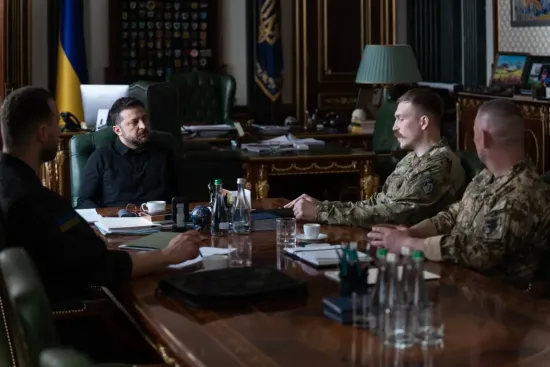
President Volodymyr Zelenskyy has appointed Mykhailo Drapaty as the new Commander-in-Chief of the Armed Forces of Ukraine. He will replace Oleksandr Syrskyi once the personnel decisions have been formally finalised.

21.07.2026
The Hungarian Public Prosecutor’s Office carried out searches at the offices of Orbán’s Fidesz party
Politics
  • Important

The Hungarian Public Prosecutor’s Office carried out searches at the offices of Orbán’s Fidesz party

The Hungarian party Fidesz has stated that the public prosecutor’s office carried out searches at the office where its servers are housed. The party has accused the government of attempting to obstruct its activities.

21.07.2026
The Director of the FBI may visit Russia for the first time in over ten years
Politics

The Director of the FBI may visit Russia for the first time in over ten years

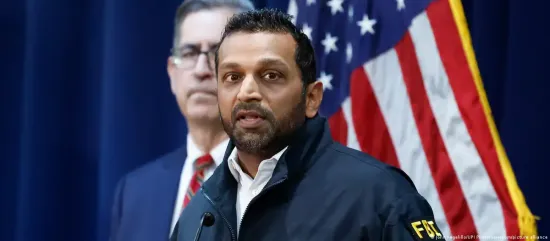
Kesh Patel, Director of the US Federal Bureau of Investigation, may visit Russia this autumn. According to Politico, the trip is currently being planned, and the details are still subject to change.

21.07.2026
The Vatican is prepared to host a meeting between the leaders of Ukraine and Russia
Politics

The Vatican is prepared to host a meeting between the leaders of Ukraine and Russia

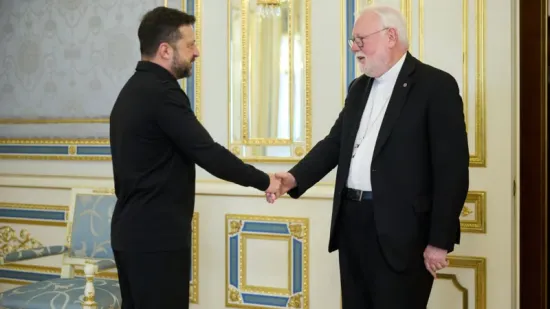
The Vatican is prepared to host a summit that could help bring an end to Russia’s war against Ukraine. The date of the talks and the list of participants have not yet been agreed.

21.07.2026
NATO countries are facing a shortage of cotton for gunpowder production – WSJ
Politics

NATO countries are facing a shortage of cotton for gunpowder production – WSJ

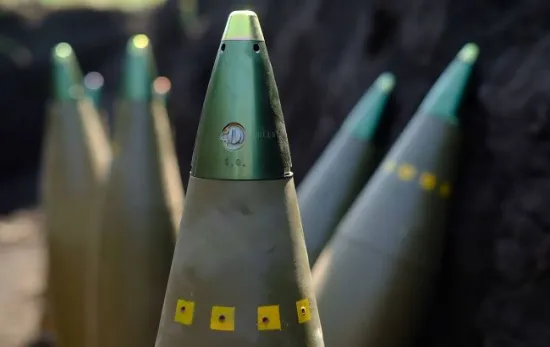
NATO countries are facing an acute shortage of cotton, which is needed to manufacture explosives for artillery munitions.

21.07.2026