A dust storm from the Sahara has swept across Crete, and a tornado has been reported on the island

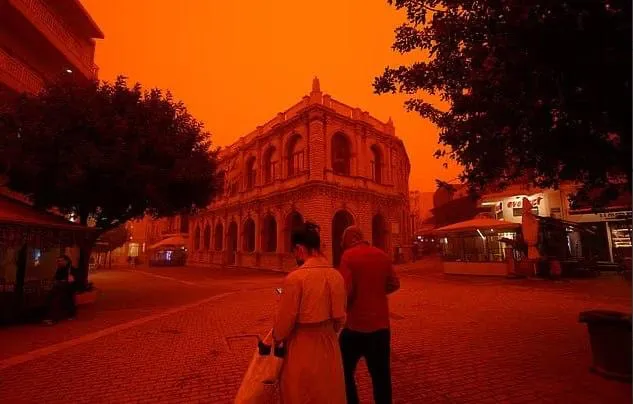
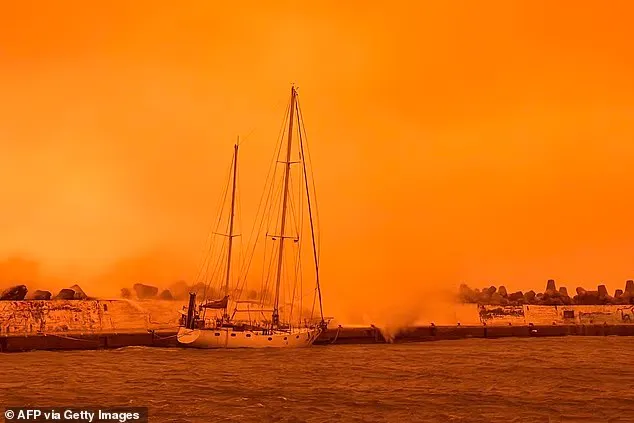
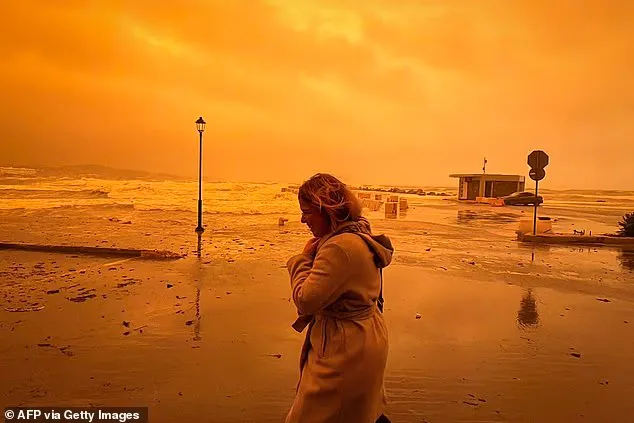
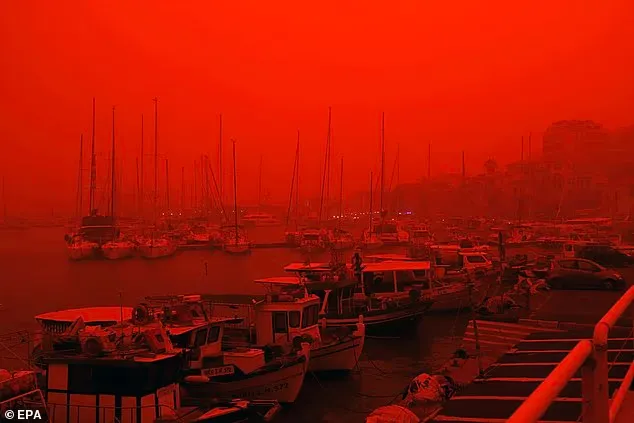
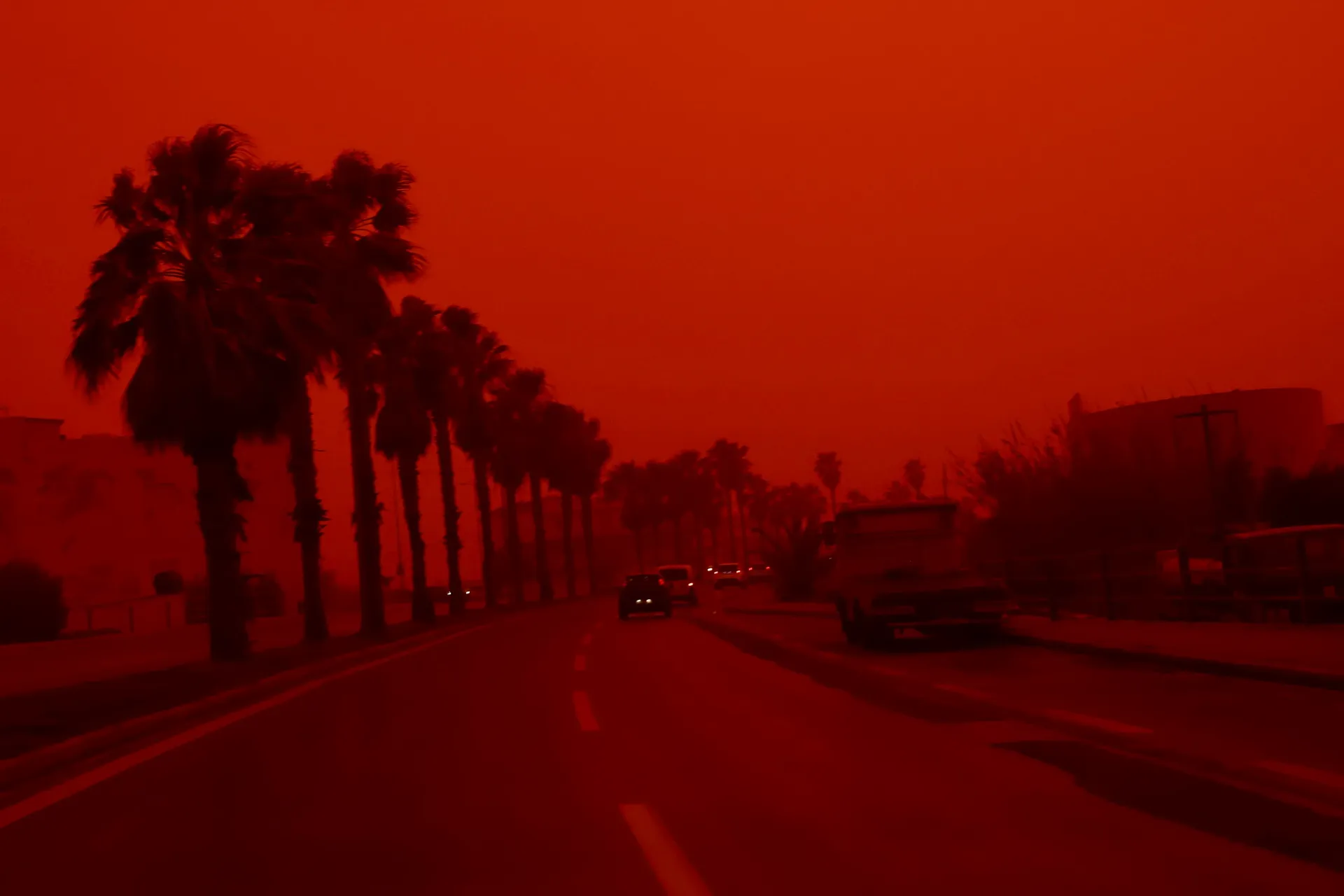
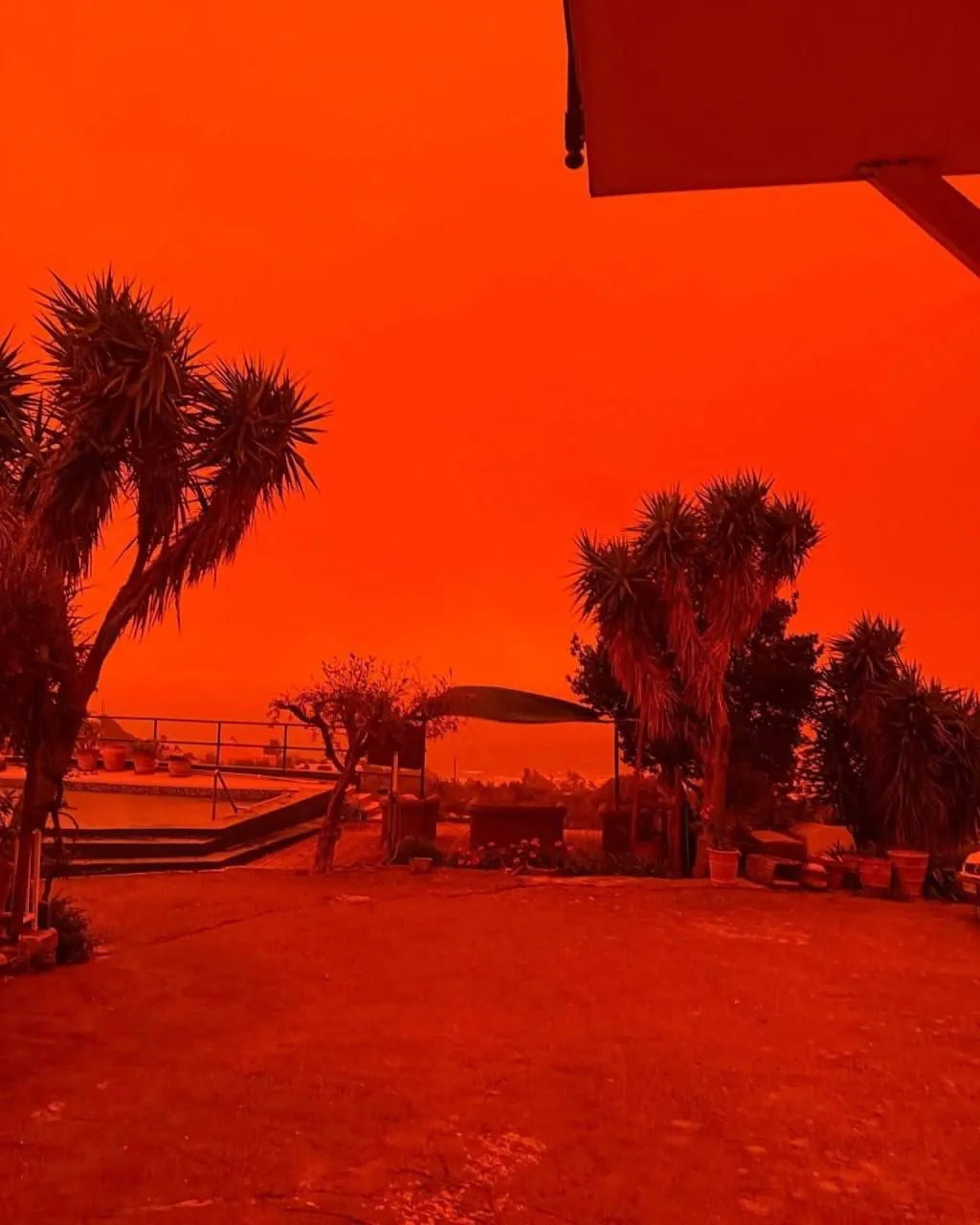
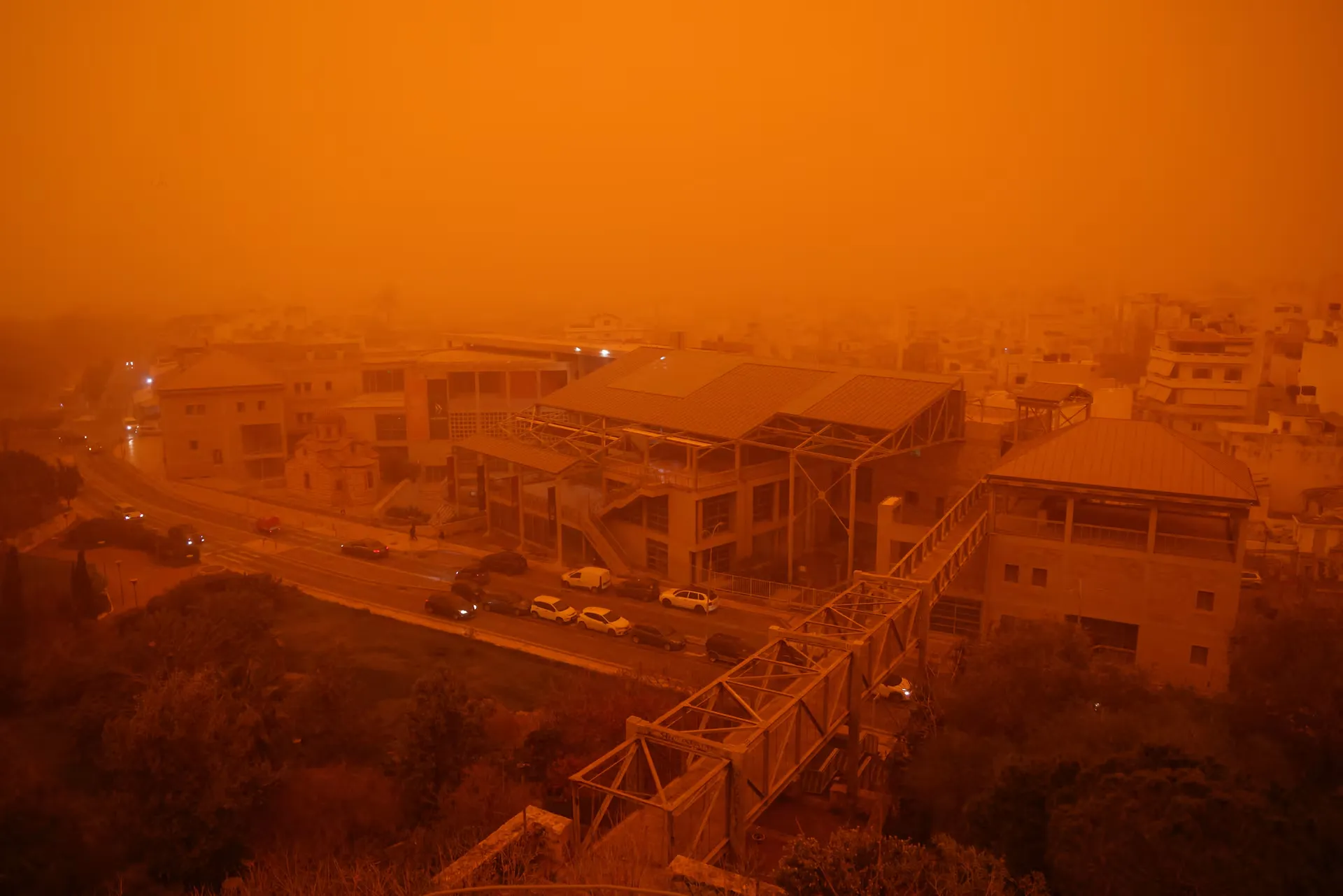
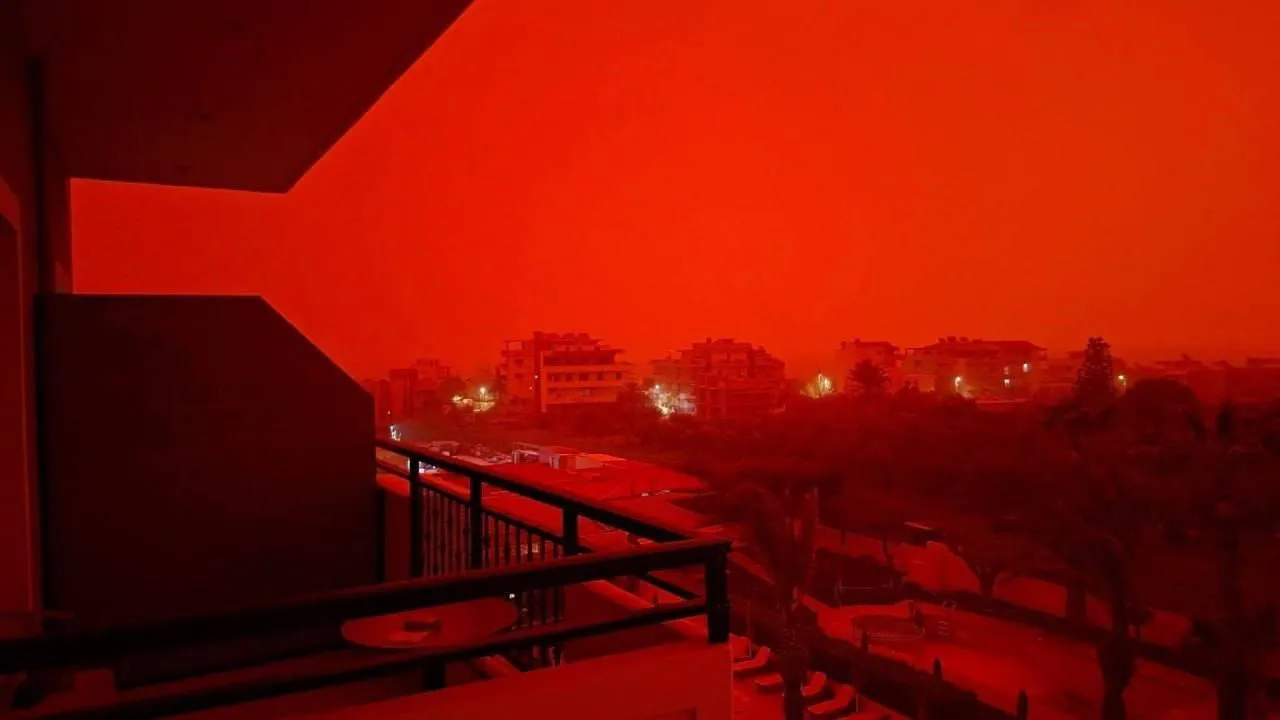
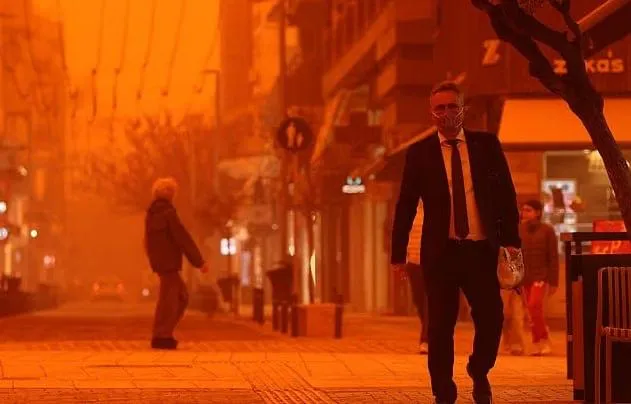
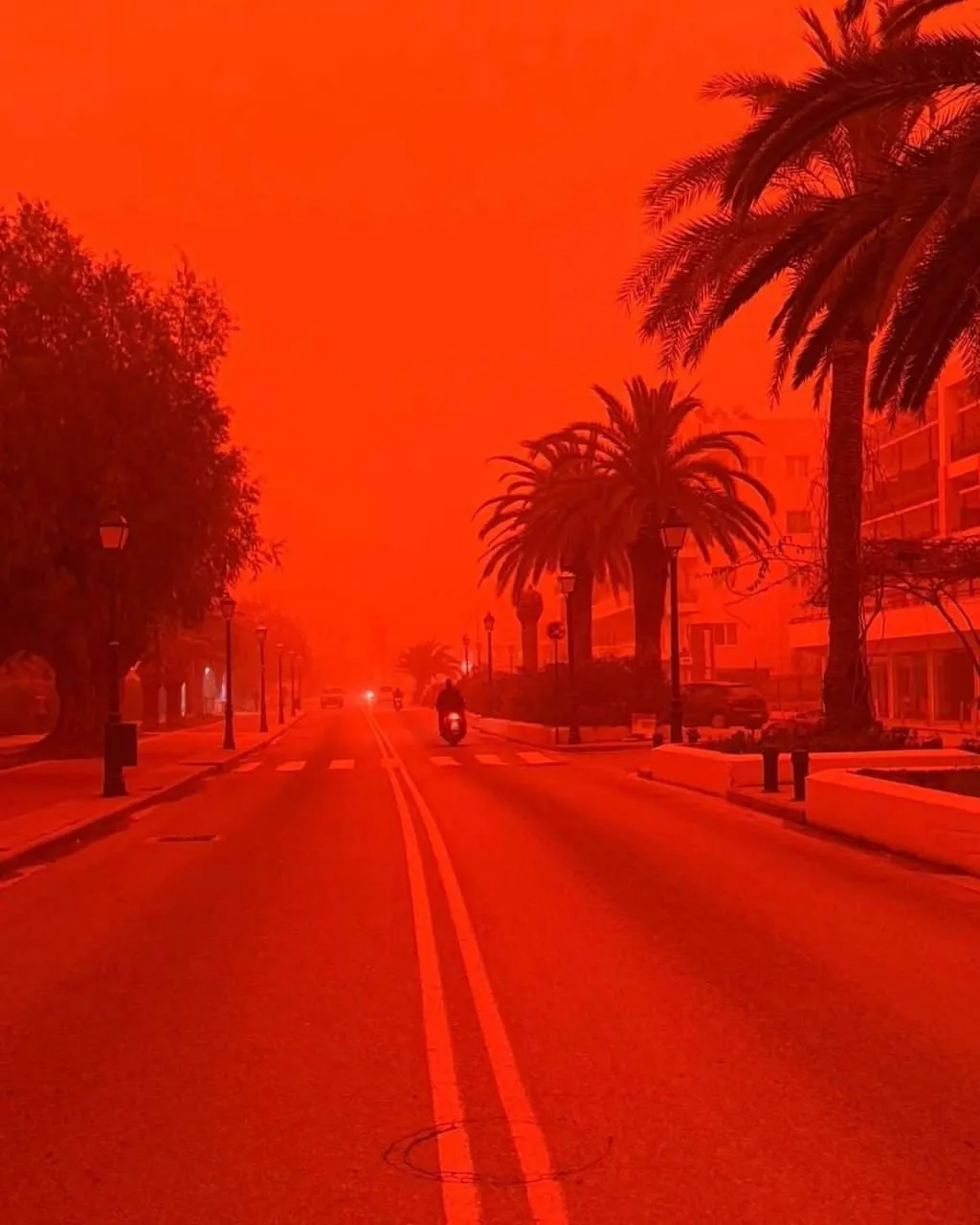
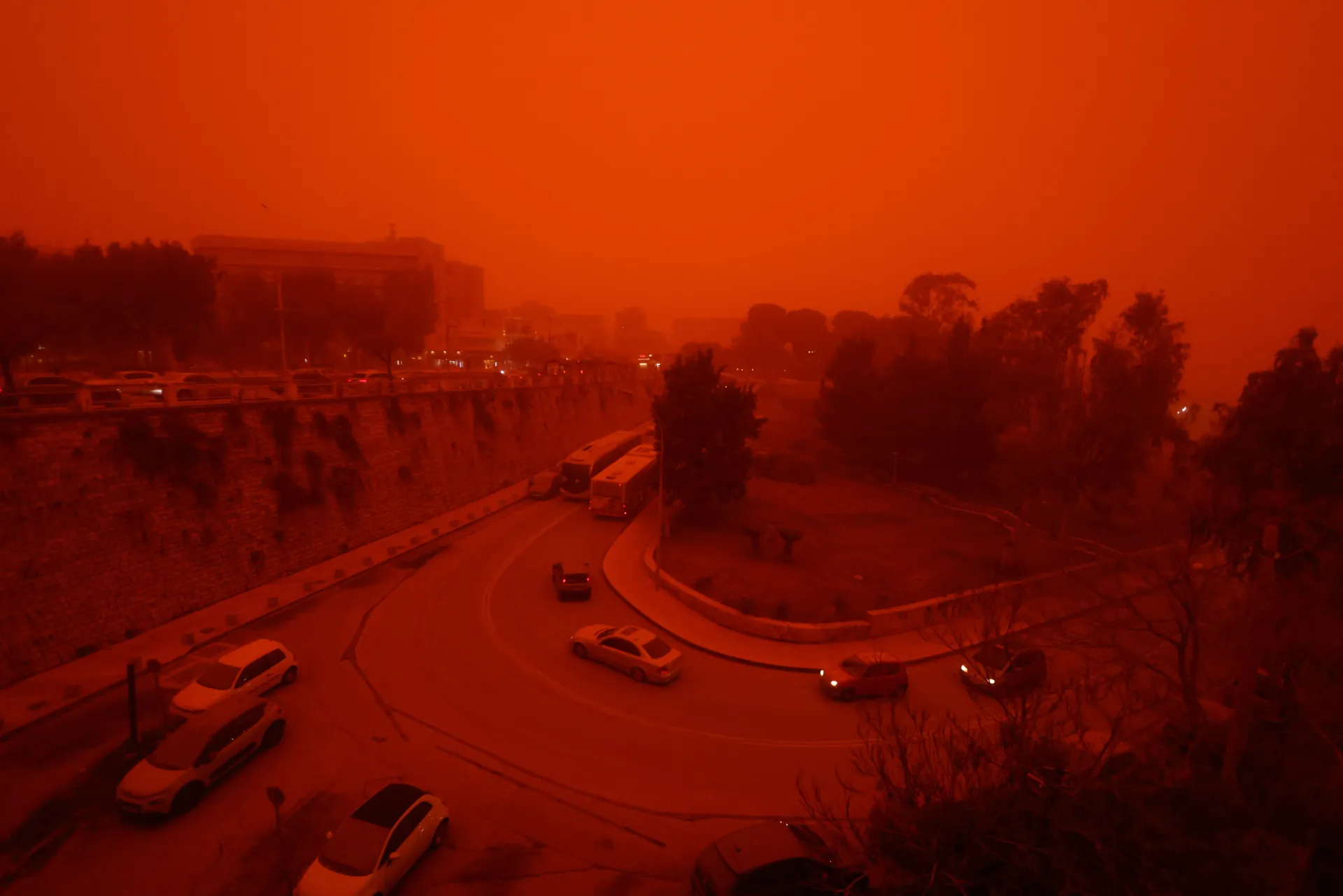
The Greek island of Crete has been blanketed by a thick cloud of dust from the Sahara, which, combined with strong winds and a tornado, has caused disruption to transport and damage in several parts of the island. The sky above the island took on a reddish-orange hue, and visibility deteriorated sharply. This was reported by The Public, citing The Sun.
The greatest difficulties arose in the area of Heraklion’s “Nikos Kazatzakis” Airport, where the main flow of tourists arrives. Due to visibility dropping to approximately 1,000 metres, some flights were unable to land. According to the data provided, at least two flights were diverted, whilst other reports mentioned as many as three international flights.
These included a British Airways flight from London, which was diverted to Corfu, and a SKY Express flight from Brussels, which was diverted to Athens. Separately, it was reported that a flight from Manchester to Rhodes initially headed for Heraklion but was unable to land due to a dust cloud and was forced to fly to Chania’s Ioannis Daskalogiannis Airport.
Operations at the island’s airports remained disrupted, delays continued, and air traffic in Crete remained under pressure due to a thick cloud of African dust.
On the ground, the effects of the bad weather were also significant. In the coastal area of Pachia Ammos, a tornado overturned a lorry that was preparing to load agricultural produce. The storm also felled trees, damaged greenhouses and caused part of a wall at a ceramics factory to collapse.
In Leraperta, large waves reached the first houses of the old town. A strong southerly wind created a dangerous situation on the coast.
In Chania, rain mixed with Saharan dust and turned into thick mud, which covered houses, cars and streets. A similar situation was observed in Rethymno, where the landscape took on a yellowish hue. It was reported that Santorini also felt the impact of the dust cloud, where the sky turned a deep orange.
According to meteorologists, the concentration of airborne particles exceeded 1,000 micrograms per cubic metre. Monitoring stations classified air quality as very poor. Local authorities and residents were urged to exercise caution and avoid non-essential travel whilst hazardous conditions persist.
The deterioration in weather is linked to Storm Erminio, which, according to forecasters’ warnings, could have intensified dust transport. The storm moved from Sicily towards Cyprus and Greece. Thunderstorms, heavy rain, wind, hail and disruption to ferry services were reported in various parts of the country.
The National Meteorological Service (EMY) warned of difficult weather conditions until Thursday in most regions of the country. Red warnings were in place for the eastern Peloponnese, Central Greece, Euboea, Thessaly, the Sporades, Attica and the Dodecanese, whilst orange warnings were in place for the Cyclades and the eastern Aegean islands.
In northern Greece, heavy snow was also reported in the mountainous areas of Epirus and Macedonia, further complicating travel.
The authorities continued to urge residents and tourists to remain cautious, stay indoors where possible and monitor the situation closely. At the same time, it was noted that weather conditions may improve by the end of the week, although dust from the Sahara may continue to linger over Crete and neighbouring islands.