Marco Rubio offered Cubans a ‘new relationship’ with the US and blamed the Cuban authorities for the crisis

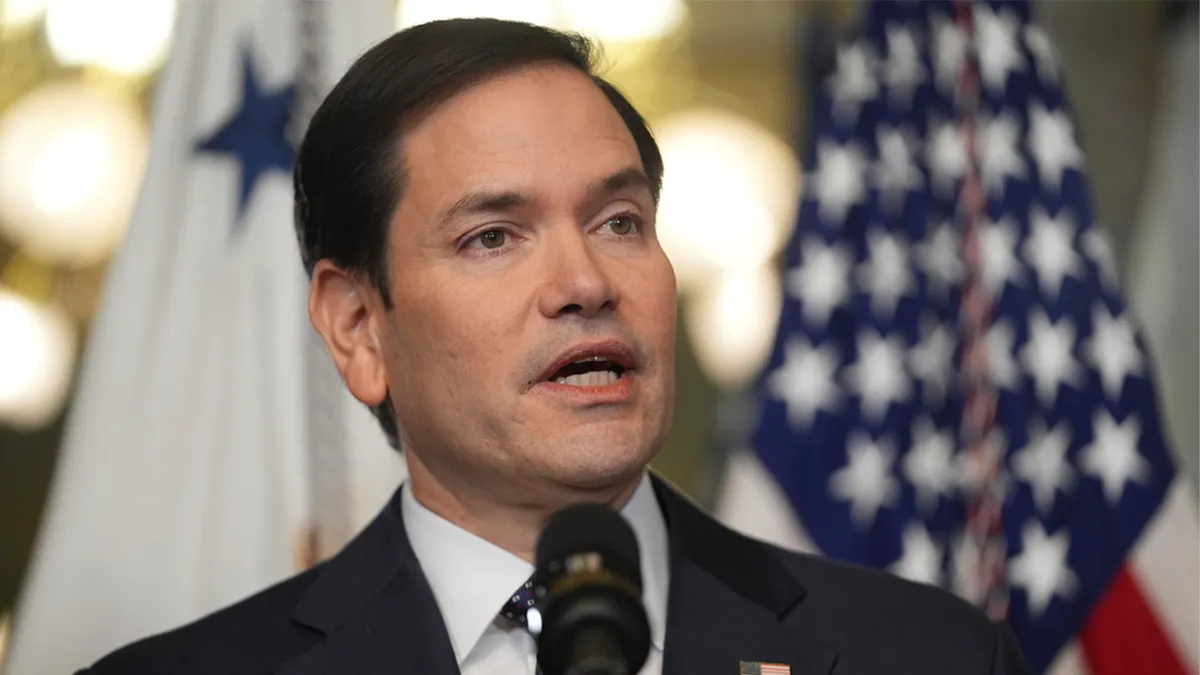
On 20 May, Cuba’s Independence Day, US Secretary of State Marco Rubio released a video message in Spanish addressed to the island’s residents. In it, he blamed the country’s economic difficulties on Cuba’s communist leadership, according to Axios.
According to Rubio, the shortages of electricity, fuel and food are due to the fact that those in control of the country have “plundered billions of dollars” but have not used these funds to help the population.
This is Rubio’s first direct address to Cubans in his capacity as US Secretary of State. It forms part of the Donald Trump administration’s policy to increase pressure on Havana.
During his speech, Rubio focused on the activities of the Cuban military business conglomerate GAESA, founded by Raúl Castro. According to him, the organisation controls around 70% of Cuba’s economy through its management of hotels, construction companies, banks, shops and money transfers from the US.
“Cuba is not run by some ‘revolution’. Cuba is run by GAESA,” Rubio stated. He also said that the role of the authorities boils down to demanding further ‘sacrifices’ from the population and suppressing those who voice their discontent.
Rubio emphasised that the US is offering a “new relationship” directly to the Cuban people, not to GAESA. According to him, the Trump administration is prepared to provide Cuba with $100 million in aid in the form of food and medicines. Washington intends for these resources to be distributed by the Catholic Church or other charitable organisations, rather than state bodies.
Rubio also stated that the “new Cuba” should become a country where citizens can vote in elections, own businesses and criticise the authorities without the risk of imprisonment or forced exile.
The US Department of Justice is set to bring charges against Cuba’s de facto leader Raúl Castro in connection with the 1996 downing of two planes belonging to a Miami-based rescue organisation.
The Cuban authorities and their supporters, for their part, attribute the economic difficulties to the long-standing US embargo, new sanctions imposed by the Trump administration and a reduction in oil supplies from Venezuela.
On 8 May, the Cuban state media published an editorial in which the new US sanctions were described as a violation of international law and the principles of free trade.
The economic situation in Cuba remains one of the most difficult in the country’s history. In some regions, electricity is available for only a few hours a day.
US officials also claim that Cuba has purchased at least 300 attack drones from Russia and China. Furthermore, Iranian, Russian and Chinese military and intelligence representatives are present on the island.