Massive Russian attack on Ukraine: Kyiv without heat, light or water

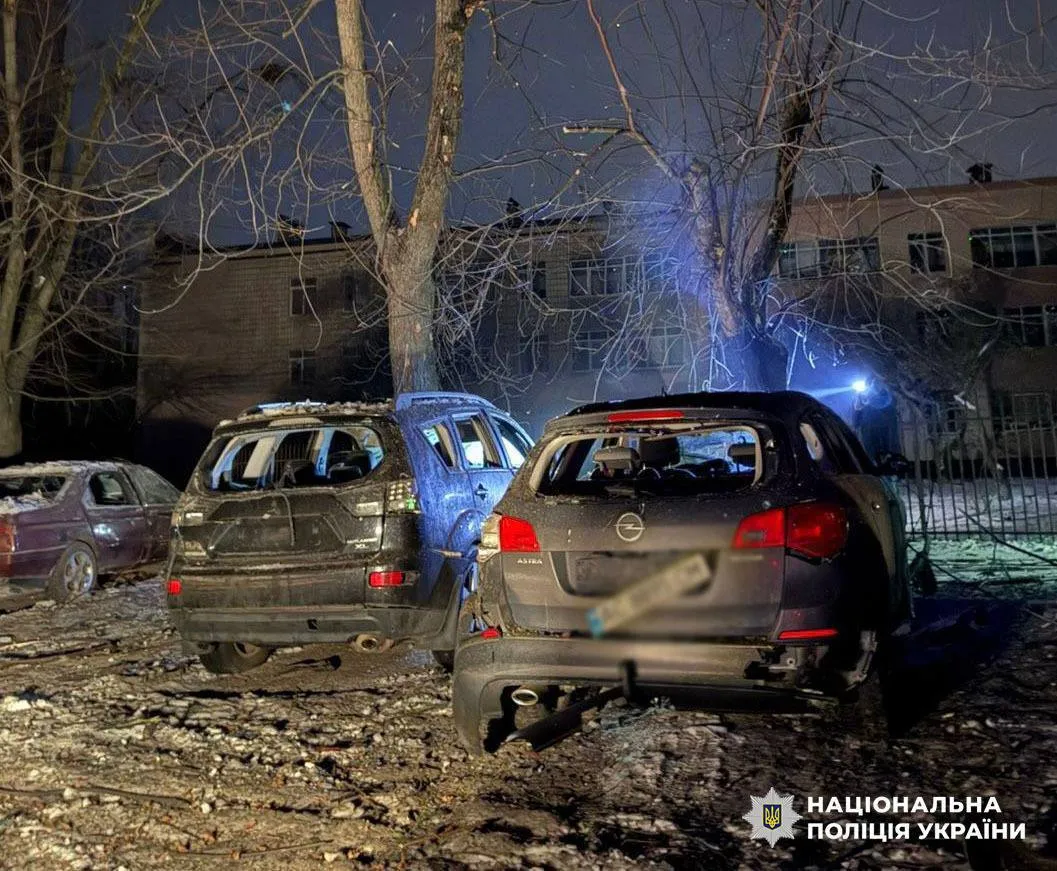
On the night of 20 January, Russia launched a massive missile and drone strike on Ukraine. Kyiv, Rivne, Vinnytsia, Dnipro, Zaporizhzhia, Odesa, and other key energy centres of the country were targeted.
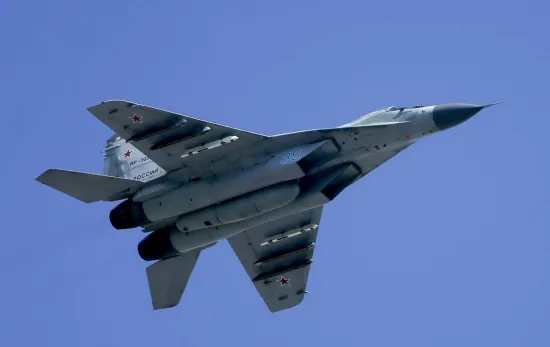
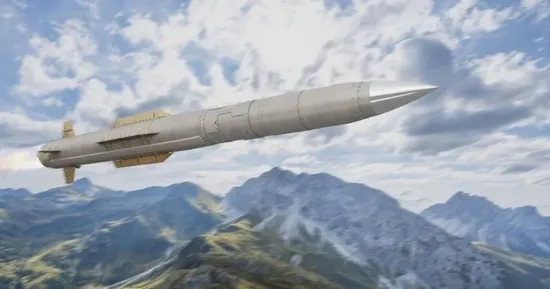
The attack lasted all night and included the use of ballistic missiles and Shahed-type strike drones. In the early morning, Russian troops launched cruise missiles from Tu-95MS strategic bombers.
Missile phase and strike routes
According to the Ukrainian Air Force (UAF), at 06:30, cruise missiles entered Ukrainian airspace via the Sumy region and headed for the central regions.
-
The first group of missiles bypassed Kyiv from the north in the direction of Vyshhorod;
-
the second group approached from the south, attacking Fastiv and Boiarka;
-
Another group passed through the Cherkasy region.
Monitoring resources reported that some of the missiles may have hit Cherkasy, while others headed southwest past Smila. Subsequently, some missiles changed course and flew towards Kyiv and Bila Tserkva. According to the Air Force of the Armed Forces of Ukraine, several missiles were directed at the Vinnytsia region.
The possible take-off of additional bombers was also recorded, indicating the threat of a second wave of missile attacks.
Drone attack and duration of the alert
Parallel to the missile strike, the attack by strike drones continued. After 07:00, Shahed attacked Rivne and the surrounding areas.
At around 07:15, monitoring channels reported the end of the first wave of missiles, but dozens of drones remained in the air. Because of this, the air raid alert was not cancelled in most regions.
Only in some southwestern regions was the alert lifted at around 07:50. In the northern, central, southern, and eastern regions, the drone attack continued.
In Kyiv, the air raid alert was lifted at 08:41, although drones were still being detected near the capital and in other regions.
Consequences for Kyiv: injuries and destruction
One person was injured as a result of the shelling in Kyiv. A 59-year-old woman was injured in the Dnipro district, hospitalised and is currently in hospital.
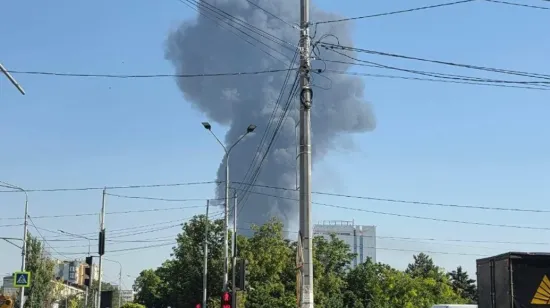
The police reported that the main strike was on the left bank of the capital. In the Dnipro district, strikes on non-residential buildings and a drone crash in an open area were recorded, resulting in cars catching fire. In the Desnianskyi district, UAV debris fell on a cemetery, and one of the schools was also damaged.
Heat, electricity and water cut off
At the time of the attack, the air temperature in Kyiv was around -15 °C. According to the mayor of the capital, Vitali Klitschko, 5,635 multi-storey buildings were left without heat after the shelling. Almost 80% of them are buildings where heat was restored after previous attacks on 9 January.
In total, there are about 11,000 apartment buildings in Kyiv. On the eve of the attack, only 16 buildings were left without heat, but after the new attack, the heating system had to be restored again.
The left bank of the city, which is the most vulnerable from an energy point of view, was the most affected. There have been massive power outages there, and the water supply is temporarily completely unavailable.
The state of water supply in the capital's districts
According to the city water utility:
-
there is no water supply in almost the entire left bank of Kyiv — in the Desnianskyi, Darnytskyi and Dniprovskyi districts;
-
the Troieschyna residential area is receiving water at reduced pressure;
-
on the right bank, reduced pressure has been recorded in the Shevchenkivskyi, Solomianskyi and Holosiivskyi districts;
-
in the Pecherskyi district, water supply is available only in certain areas.
Homes have begun draining water from heating systems to prevent them from freezing and to ensure that heat can be restored in the future.
Work of public utilities
Utility and energy workers are working to restore heat, water and electricity supplies. Social facilities are switching to autonomous power supplies.
Changes in the metro
Due to the difficult energy situation, the Kyiv City State Administration (KCSA) has announced temporary changes to the metro service.
-
Red line: service between Akademmistechko and Arsenalna stations will run at 4.5–5-minute intervals.
-
After the alert is over, two trains will run between Livoberezhna and Arsenalna at 20–25-minute intervals. Trains will pass by the Hydropark and Dnipro stations without stopping.
-
Green line:
-
Syrets — Vydubychi with an interval of 7 minutes;
-
Osokorky — Chervonyi Khutir with an interval of 10 minutes.
-
-
The Blue Line will operate as usual.
Strikes on energy facilities in the regions
Monitoring channels reported that the main strike was directed at thermal power plants (TPPs) in Kyiv, the Kyiv region and Dnipro, as well as hydroelectric power plants (HPPs) and other critical facilities in the central part of the country.
According to the PPO Radar service, Russia attacked about 14 energy facilities. The most significant consequences were recorded in Kyiv. The strikes targeted transformer substations, CHPs and thermal power plants (TPPs).
The main targets of the attack were Kyiv, Dnipro, Chornomorsk, Kyiv, Chernihiv, Dnipropetrovsk, Zaporizhzhia and Kharkiv regions, and frontline territories. Individual drones attacked Rivne and Kaniv. Ballistic strikes hit Kyiv and Vinnytsia, which was attacked several times during the night.
Massive attack by the Russian Federation, shelling of Kyiv, energy infrastructure, missile and drone strikes, heat and power outages, war