Cocaine trafficking network to Iceland dismantled during international operation

Law enforcement agencies in Iceland, Lithuania and Spain, with the support of Europol and Eurojust, dismantled an organised criminal network that supplied cocaine from South America to Europe. According to the investigation, the group received around €4 million in illegal profits.
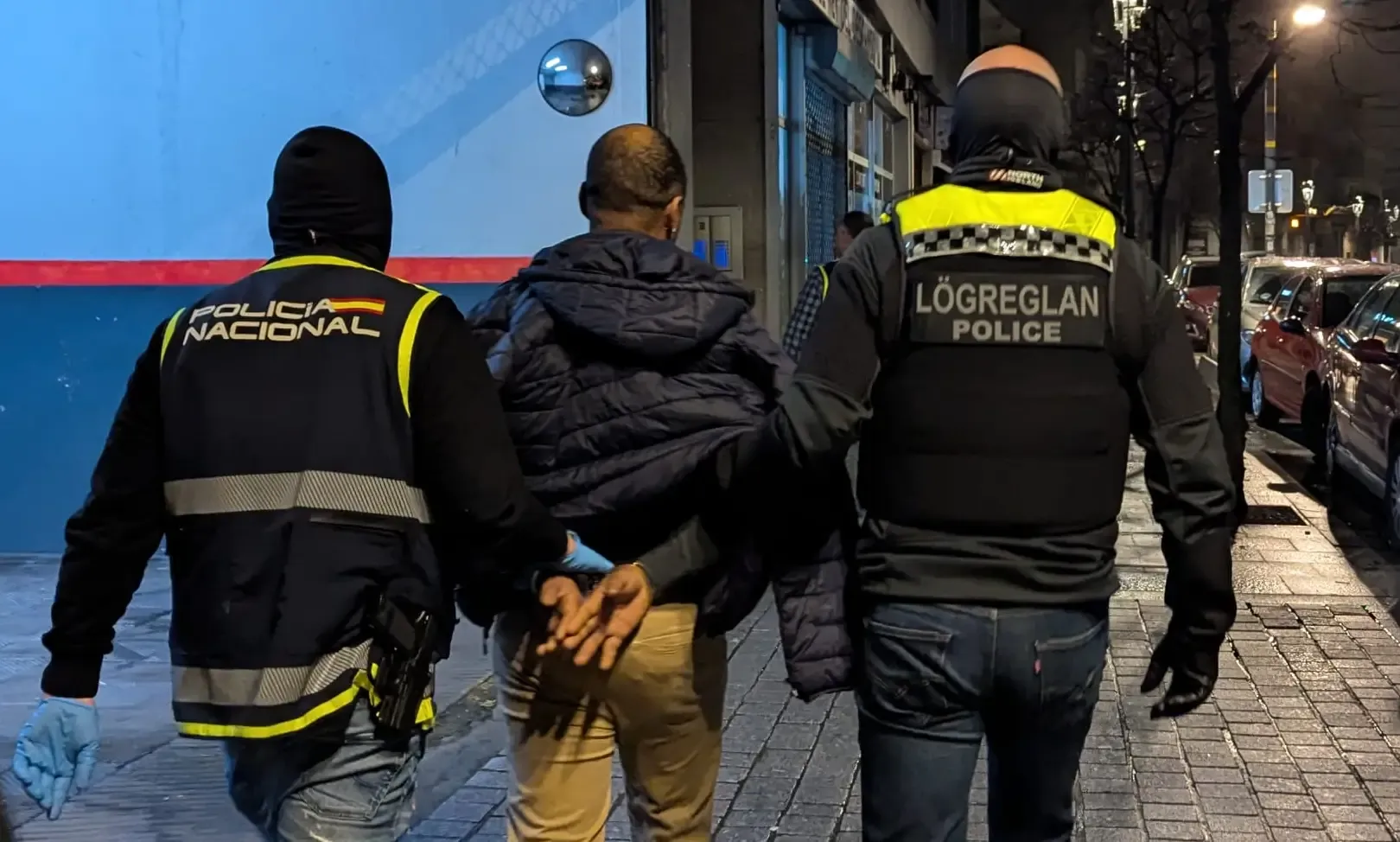
The investigation culminated in a coordination day on 4 February 2026. Twenty-four people were arrested, including 11 in Iceland, 6 in Lithuania, 4 in Spain, 2 in Belgium and 1 in Denmark.
Investigators established that the criminal group organised the transport of cocaine from South America to Iceland via Spain and other countries. Traditionally, cocaine is transported in kilogram briquettes hidden among legal cargo in containers. However, the network used alternative methods of concealment, including methods that make detection by scanners and service dogs more difficult.
The main tool was the use of so-called drug couriers. These were mainly people in vulnerable situations who were persuaded to transport drugs. According to the investigation, some of the cocaine was hidden in luggage or transported internally by swallowing packages. In some cases, the drugs were transported in liquid form.
After delivery to Iceland, the cocaine was distributed within the country. The proceeds were laundered through real estate and other property transactions in Lithuania.
To counter the group's international activities, Lithuanian and Icelandic law enforcement agencies cooperated within Europol and subsequently set up a joint investigation team coordinated by Eurojust. During meetings in The Hague, the network's activities in Belgium, Denmark, Iceland, Lithuania and Spain were confirmed.
Europol provided information exchange and analytical support, helping to establish links between the suspects and the structure of the network. The operation involved the Antwerp police, the Danish National Police, the Icelandic police and customs service, the Klaipėda region prosecutor's office and police in Lithuania, as well as the Spanish judicial and law enforcement authorities.
The operation took place within the EMPACT platform, which coordinates the fight against the most serious threats of organised crime in the European Union and operates in four-year cycles based on defined criminal priorities.