Nabiullina described Russians’ savings as the sole source of funding for the economy

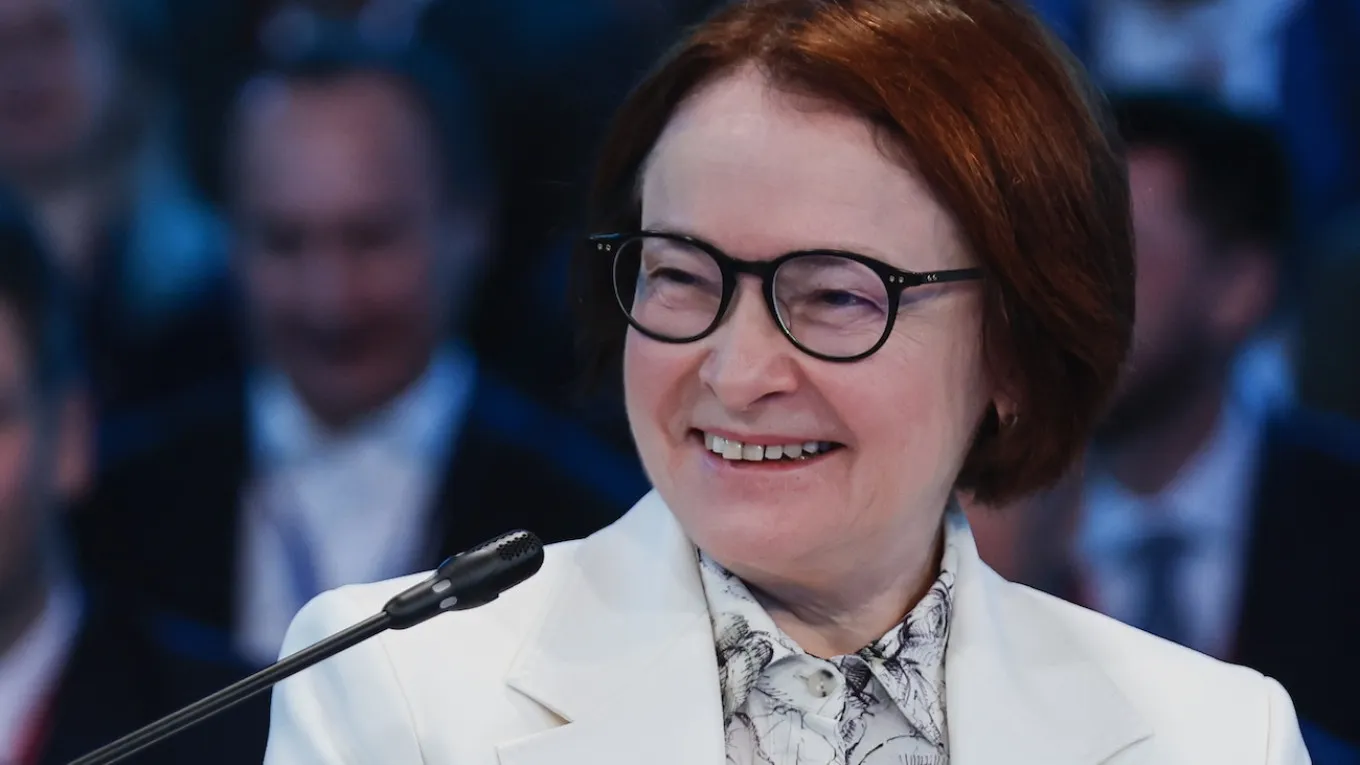
Elvira Nabiullina, Governor of the Central Bank of Russia, stated that due to sanctions, Western capital markets have become inaccessible to Russian companies, and domestic savings remain the main source of funding for the economy.
Speaking at the Alfa Summit, she noted that until 2022, Russian borrowers had access to the savings of European and US citizens. According to her, low inflation and interest rates in these countries allowed companies to raise funds at a relatively low cost.
“Until 2022, our borrowers, our companies, had access to, shall we say, the savings of European and US citizens. Savings, specifically,” said Nabiullina.
She added that the export sector was able to attract such resources to finance the production of goods supplied to foreign markets.
Currently, she said, access to global savings is limited.
“The only source of funding, practically the only one, is Russian savings. And also high inflation and high interest rates,” she noted.
Separately, Nabiullina called for honesty in the presentation of economic data. She emphasised that the quality and reliability of information are key to decision-making.
“It is very important that people are not afraid to speak the truth, to present an accurate picture, whether it is good or bad, but truthful,” she said during a banking conference.
According to the Central Bank of the Russian Federation, the perceived inflation rate among the population in April stood at 12.9%, exceeding the official figure of 6%.
Western intelligence agencies have expressed doubts about the reliability of Russian economic data. In particular, Germany’s Federal Intelligence Service stated that Russia’s budget deficit in 2025 was approximately 40% higher than official figures and exceeded 2.36 trillion roubles.
The head of Swedish military intelligence, Thomas Nilsson, also told the Financial Times that the real inflation rate in Russia could be closer to 15%.
Russian officials have not commented on these statements. Since the start of the military campaign against Ukraine, some economic data, particularly that relating to foreign trade, has been withheld.
At the same time, Russia continues to publish key macroeconomic indicators on a regular basis. According to official data, the economy contracted by 1.8% in the first two months of the year, and the federal budget deficit exceeded the government’s targets.
Analysts at banks and international organisations, including the International Monetary Fund, use data from Russian official bodies, although the Fund has suspended its annual missions to the country.
The Central Bank also notes that reliable data from the corporate sector is important for the functioning of the stock market, which, given restrictions on foreign investment, remains one of the sources of capital for companies.