NATO is preparing to strengthen the Baltic states' defences in the event of a war with Russia

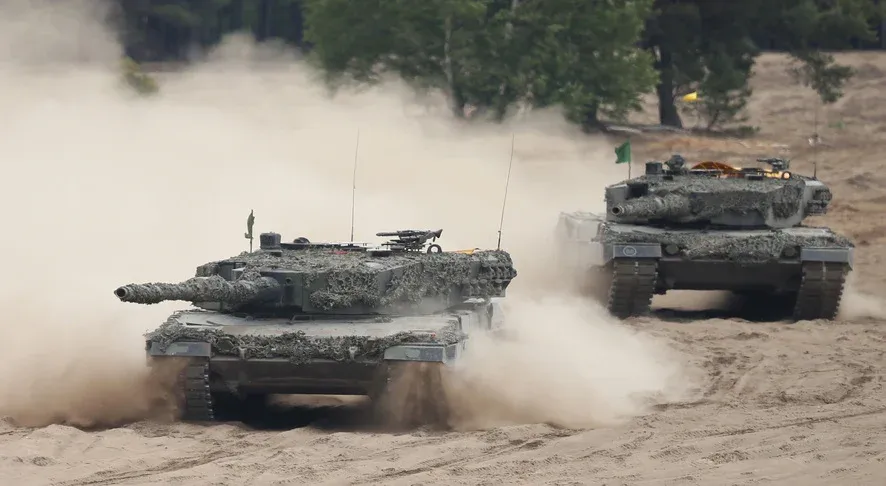
NATO plans to strengthen the defences of the Baltic states and the Alliance’s northern flank through a new structure that will enable troops to be rapidly deployed to Latvia and Estonia in the event of a war with Russia. This was reported to Reuters by two sources familiar with the matter.
Currently, NATO forces in the Baltic states and northern Poland are under the command of a single multinational headquarters in Szczecin, Poland.
Following the changes to the defence of Latvia and Estonia, there are plans to deploy an additional army corps. According to Reuters’ sources, this refers to the German-Dutch Corps, whose headquarters are located in Münster, Germany.
One military official stated that this would allow NATO to rapidly deploy ‘massed forces’ to the region and take into account the limited strategic depth and vulnerability of the Baltic states.
A fully manned army corps typically comprises three divisions, numbering between 40,000 and 60,000 troops. In peacetime, such a structure functions as a command headquarters with artillery, air defence, engineering and medical support units necessary for the rapid deployment of troops.
According to Reuters, Germany and the Netherlands, together with their partners, have already agreed to deploy the corps to defend Latvia and Estonia.
The agency’s sources noted that the agreement became possible after resolving the issue of a shortage of corps units, in particular long-range artillery, air defence systems, and engineering and medical units.
Germany and the Netherlands, together with their allies, now plan to form these forces.
It is not yet clear when exactly the decision will come into force or how many troops will be under the new structure in the event of a conflict.
The Dutch Ministry of Defence stated that the matter is still being finalised and declined to comment further. The German Ministry of Defence also declined to comment on the situation, citing coordination with NATO.
Reuters notes that European allies have begun to take on more responsibility for their own security amid criticism from US President Donald Trump.
Recently, Trump accused European NATO members of providing insufficient support during the war with Iran and announced his intention to withdraw 5,000 US troops from Germany.
Separately, Reuters recalls that NATO officials have been warning for several years about the growing threat from Russia and do not rule out a large-scale attack on Alliance territory as early as 2029.
Moscow denies any aggressive intentions and accuses NATO of escalating tensions by expanding its military presence near Russian borders.
At the same time, it has emerged that Russian President Vladimir Putin has signed a law expanding powers regarding the use of the army abroad.
The document allows Russian troops to be deployed to ‘protect Russian citizens’ in the event of their ‘arrest, detention or persecution’ in other states by international or foreign courts without Russia’s involvement.
Following this, the Russian Foreign Ministry announced its intention to appeal to the International Court of Justice to “protect” the rights of Russian speakers in the Baltic states.