Germany is preparing its logistics infrastructure for war

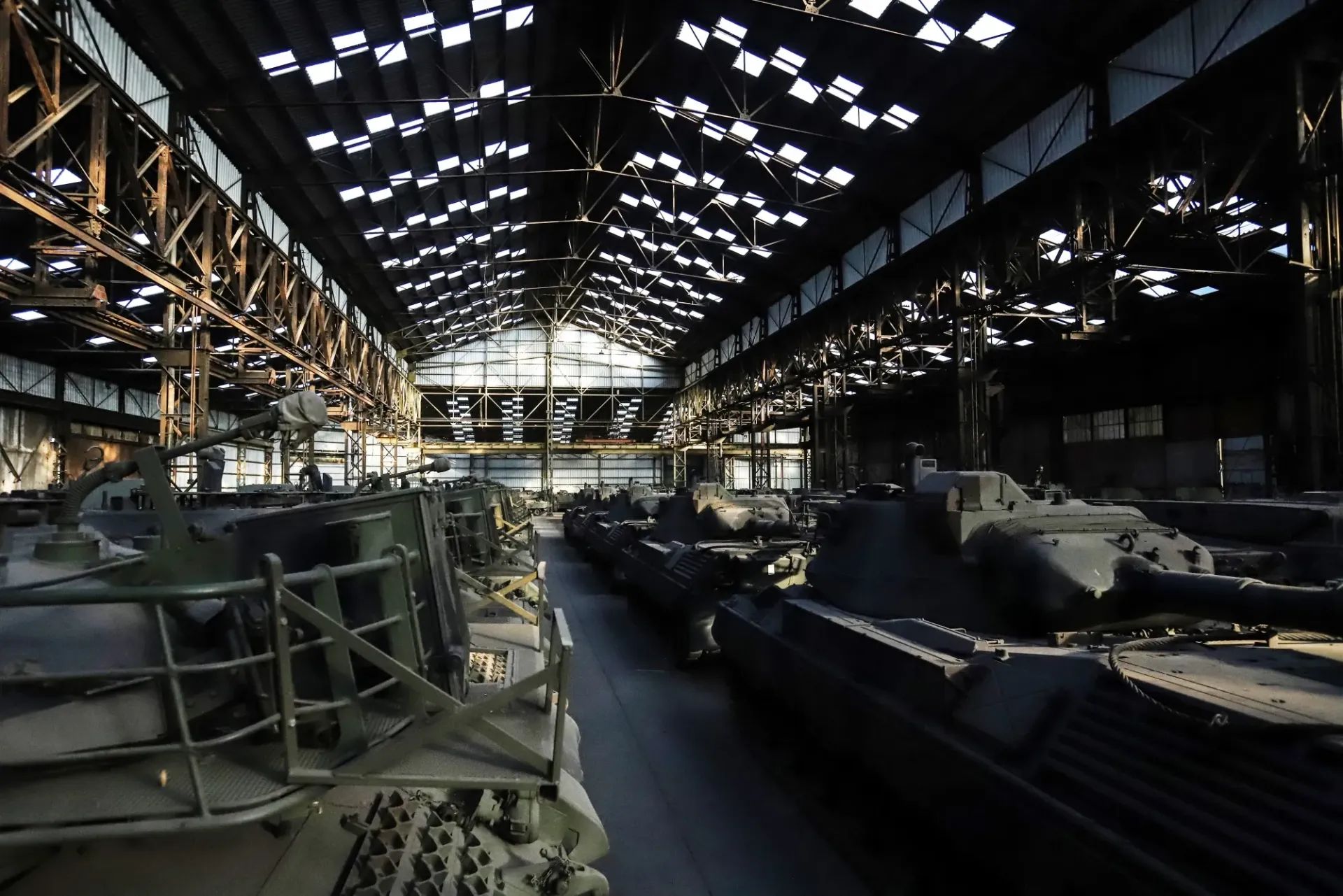
Europe’s largest car port is being modernised in Bremerhaven on the North Sea coast. The project has been allocated €1.35 billion from Germany’s 2026 budget. The funds are intended to reinforce the quays so that they can withstand the transport of heavy military equipment, including Leopard tanks weighing up to 60 tonnes, reports Bloomberg.
This project is part of a broader strategy to prepare for a potential military conflict. Germany’s central location and its industrial resources make the country a key logistics hub in the event of a threat to Europe.
At the same time, the Bundeswehr is unable to handle such volumes of logistics on its own and is engaging the private sector. Companies are being considered for cooperation, including BLG Logistics, which operates in Bremerhaven. According to BLG Logistics CEO Matthias Magnor, the investment in the port has been an important step for the company.
Despite the business sector’s willingness to participate, significant obstacles remain. These include the state of the infrastructure, particularly roads and railways, as well as around 5,000 bridges in need of repair. Furthermore, the Bundeswehr lacks established mechanisms for cooperation with private companies on the scale required for rapid mobilisation.
After the Second World War, a clear distinction was made in Germany between civilian and military structures. For example, only military units are responsible for delivering equipment directly to the front line. These approaches are now gradually changing.
German Defence Minister Boris Pistorius stated that the country has initiated processes signalling a shift in approach. According to him, peace and stability can no longer be taken for granted.
Despite this, the system remains complex. Bundeswehr procurement is carried out through procedures that are difficult for external companies to understand. Interaction with the business sector is limited, particularly due to requirements regarding transparency and competition. The Federal Office for Defence Equipment, Information Technology, In-Service Support and Logistics (BAAINBw) does not maintain direct contact with companies, instead using specialised platforms.
The government is attempting to involve more civilian companies. In March 2024, the Operational Plan for Germany was drawn up, defining the role of the private sector in the event of an attack. It provides, in particular, for logistical support for hundreds of thousands of military personnel. The document is classified, so companies have access only to some of the information.
According to Niels Boike, a representative of the logistics association DSLV, companies are interested in cooperation but require greater access to information. They are required to provide detailed data on their resources without having a full understanding of the requirements.
The need for cooperation is growing against the backdrop of a prolonged reduction in the size of the armed forces following the end of the Cold War and German reunification. Conscription was suspended in 2011. Following Russia’s full-scale invasion of Ukraine in 2022, policy began to shift.
Logistics companies are also re-evaluating their role. BLG Logistics had previously worked with the US and NATO armies, but these operations were not its core business. After 2022, the approach changed.
Another company, Fiege, which has 22,000 employees and significant warehouse space, has established a separate entity, Celerox Logistics Solutions GmbH, to work with the military and emergency services. The company’s CEO, Michael Quaden, noted that this allows for a clear distinction between different types of activities.
Companies are offering their resources for crisis situations. In particular, BLG Logistics has over 70 tank drivers in Bremerhaven, 1,500 railway wagons and seven inland terminals that can be used as bases for equipment and troops.
At the same time, the process of interacting with government bodies remains complex. Business representatives note that the Ministry of Defence’s approach is more focused on formal procedures than on practical cooperation.
In Germany, the importance of logistics in the current climate is recognised. According to Michael Kvadén, effective military logistics must strike a balance between military requirements and the functioning of the civilian economy.