Germany opposes transfer of frozen Russian assets — Berlin wary of risks

Anna Kramarenko
Anna Kramarenko Editor-in-Chief
Germany opposes transfer of frozen Russian assets — Berlin wary of risks

Photo: Getty images
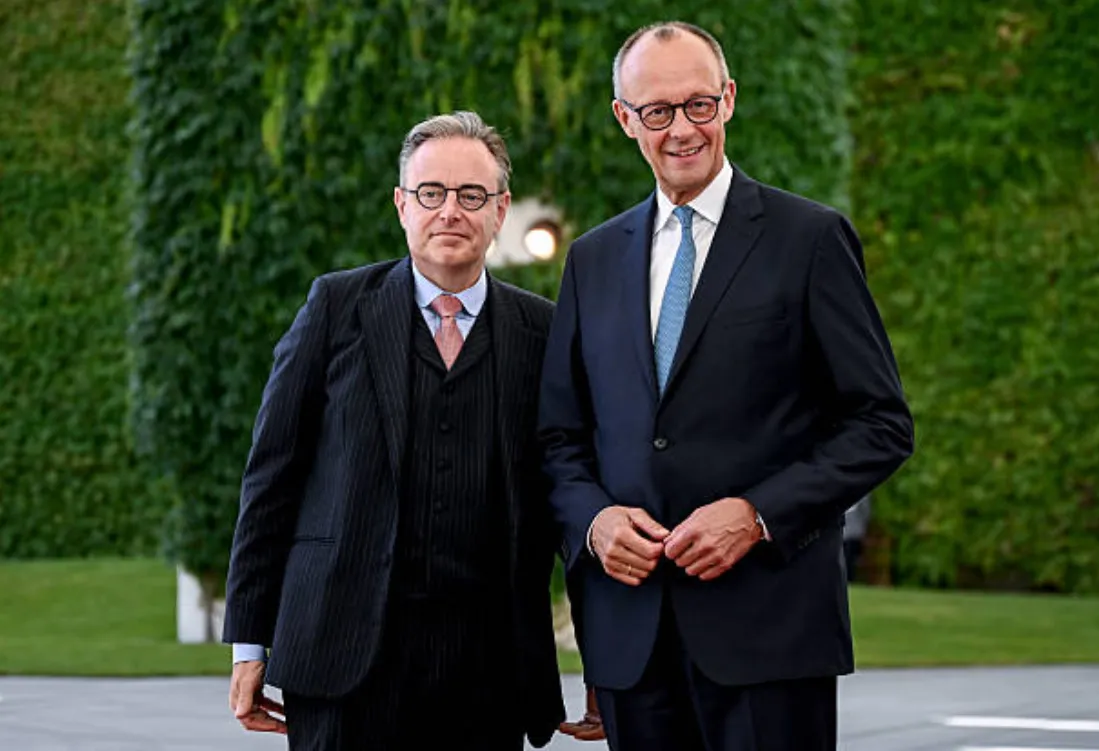
German Chancellor Friedrich Merz said that the transfer of frozen Russian assets to the United States or other countries is premature. He called for an inter-partner mechanism to be agreed upon to minimise financial and legal risks.

German Chancellor Friedrich Merz has opposed the hasty transfer of frozen Russian assets to Western partners. According to him, a joint decision by the European Union with clear mechanisms for protection is primarily needed to avoid legal and economic consequences. This was reported by The Public citing Reuters.

Merz emphasized that Germany aims to maintain solidarity with allies but does not support unilateral decisions. He called for the formation of a unified approach — based on a common EU position with guarantees that the use of assets will not create new risks for donor countries and will not provoke legal claims from Moscow.

According to Reuters, during negotiations with the Belgian Prime Minister, the Chancellor reiterated this position, emphasizing the importance of a careful approach to the issue of confiscation. Germany and Belgium are interested in further consultations within the EU and NATO before making a decision.

This statement by Merz is a signal to Western capitals that it is worth preparing not for a "populist" surge of support for Ukraine, but for a structured, collective, and legally balanced plan. Previously, some countries had already expressed readiness to transfer funds from Russian assets to Kyiv, while Berlin proposes a unified approach through a single fund with clear legal formalization.

Merz also added that the final decision should consider not only Ukraine's current needs but also the stability of the European financial system and commitments to international partners. Europe must act collectively — otherwise, the implementation of such a decision could lead to new disputes and risks.
Share tittle
Politics
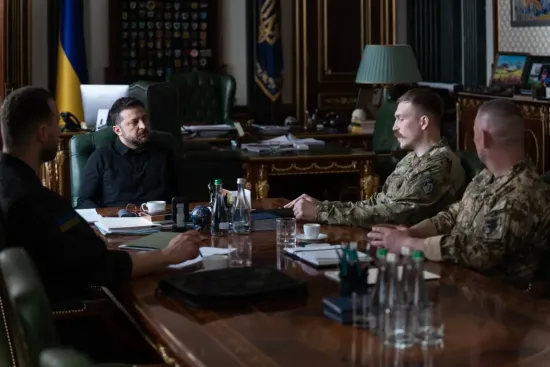
Zelenskyy has appointed a new commander-in-chief: Drapatiy is to replace Syrskyi
Politics

Zelenskyy has appointed a new commander-in-chief: Drapatiy is to replace Syrskyi

President Volodymyr Zelenskyy has appointed Mykhailo Drapaty as the new Commander-in-Chief of the Armed Forces of Ukraine. He will replace Oleksandr Syrskyi once the personnel decisions have been formally finalised.

21.07.2026
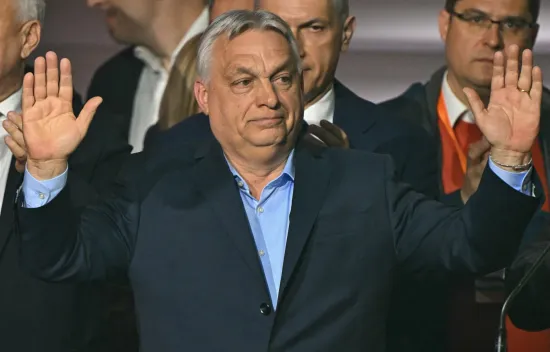
The Hungarian Public Prosecutor’s Office carried out searches at the offices of Orbán’s Fidesz party
Politics
  • Important

The Hungarian Public Prosecutor’s Office carried out searches at the offices of Orbán’s Fidesz party

The Hungarian party Fidesz has stated that the public prosecutor’s office carried out searches at the office where its servers are housed. The party has accused the government of attempting to obstruct its activities.

21.07.2026
The Director of the FBI may visit Russia for the first time in over ten years
Politics

The Director of the FBI may visit Russia for the first time in over ten years

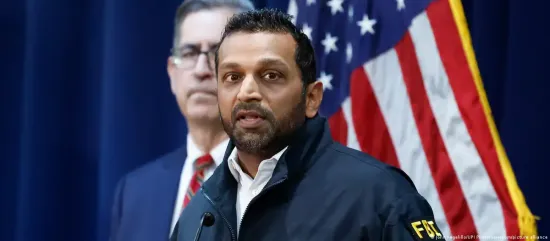
Kesh Patel, Director of the US Federal Bureau of Investigation, may visit Russia this autumn. According to Politico, the trip is currently being planned, and the details are still subject to change.

21.07.2026
The Vatican is prepared to host a meeting between the leaders of Ukraine and Russia
Politics

The Vatican is prepared to host a meeting between the leaders of Ukraine and Russia

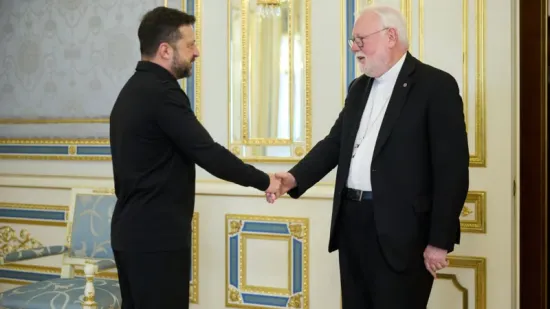
The Vatican is prepared to host a summit that could help bring an end to Russia’s war against Ukraine. The date of the talks and the list of participants have not yet been agreed.

21.07.2026
NATO countries are facing a shortage of cotton for gunpowder production – WSJ
Politics

NATO countries are facing a shortage of cotton for gunpowder production – WSJ

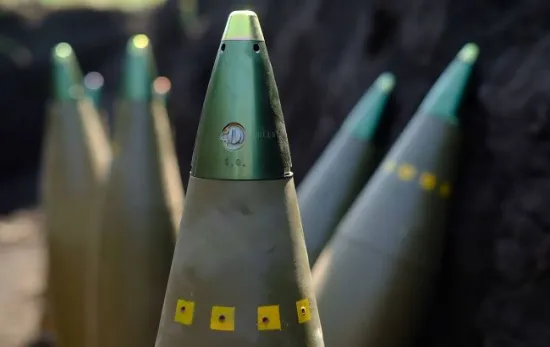
NATO countries are facing an acute shortage of cotton, which is needed to manufacture explosives for artillery munitions.

21.07.2026