Negotiations between the US and Iran could last up to six months

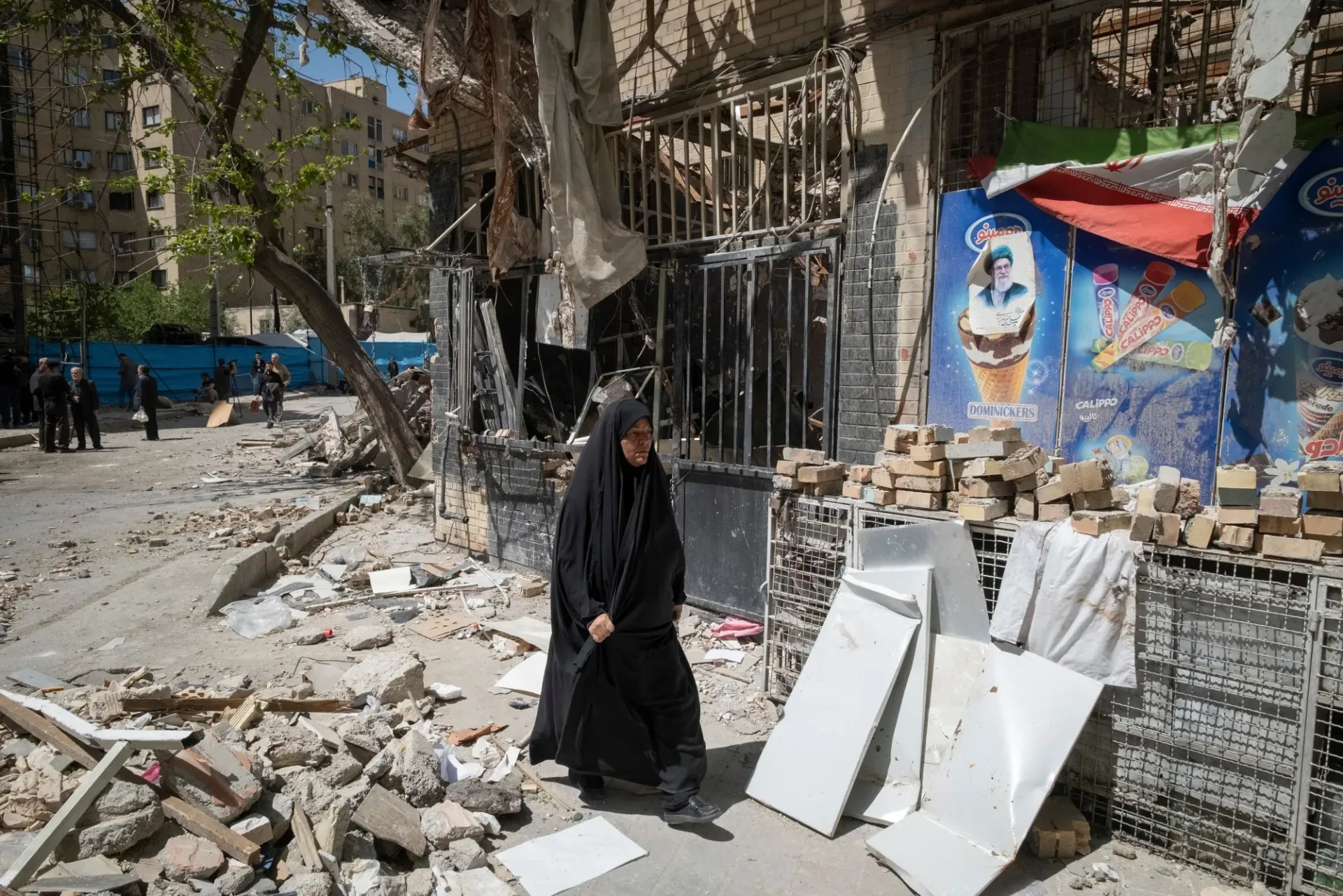
Some leaders from the Gulf states and Europe believe that a peace agreement between the US and Iran could be reached in around six months. According to their estimates, as reported by Bloomberg, the parties should extend the current ceasefire for this period.
Representatives from the region are also insisting on the immediate reopening of the Strait of Hormuz to restore energy supplies. They warn that if the blockade continues until next month, a global food crisis could ensue.
They say that if the war drags on, energy prices could rise even further. Against this backdrop, the price of Brent crude rose by around 4.5 per cent to over $99 a barrel.
In the Gulf states, it is believed that Iran is seeking to develop nuclear weapons, and this assessment has not changed following the US and Israeli strikes on the country. They also believe that any future agreement must prohibit Iran from enriching uranium and possessing long-range ballistic missiles.
At the same time, most leaders in the region oppose a resumption of hostilities and are calling on the US to continue its diplomatic efforts regarding Iran.
Representatives of the governments of Saudi Arabia, Qatar, Kuwait, Oman and Bahrain did not provide immediate comments. The Ministry of Foreign Affairs of the United Arab Emirates referred to a statement dated 8 April, which emphasised the need for the unconditional opening of the Strait of Hormuz.
The statement also noted that a comprehensive approach is needed, covering all threats from Iran, including its nuclear programme, ballistic missiles, drones, military capabilities and associated structures.
The US and Israel launched strikes against Iran in late February, after which the conflict spread across the Middle East. In response, Iran attacked Israel, as well as countries such as Saudi Arabia, the United Arab Emirates and Qatar, using missiles and drones against cities, ports and oil infrastructure.
Following the ceasefire in early April, oil prices fell slightly but remain more than 35 per cent higher than before the conflict began.
Rob Macaire, the former British ambassador to Iran, stated that a deal is unlikely in the short term. According to him, Donald Trump’s optimism is linked to the impact of the situation on the markets.
He also noted that the key issue is not only reaching an agreement, but also the parties’ ability to prevent a resumption of active hostilities in the near future.
Since the start of the conflict, the Strait of Hormuz has effectively remained closed, which is having a negative impact on the economies of the Gulf states. They are unable to export their usual volumes of oil, liquefied natural gas, aluminium and other goods.
According to reports, the US and Iran are considering extending the ceasefire by two weeks, which would give the parties more time for negotiations.
At the same time, it remains uncertain whether the ceasefire can be extended and a full-fledged peace agreement reached. Among the contentious issues are Iran’s nuclear and missile programmes, the lifting of sanctions, the situation surrounding the Strait of Hormuz, and the war in Lebanon between Israel and the Iran-backed group Hezbollah.
According to Rob McKeir, a compromise is possible on the nuclear issue, particularly regarding the admission of inspectors and a temporary suspension of uranium enrichment. At the same time, the issues of the Strait of Hormuz and security guarantees for Iran remain complex.
On 16 April, Donald Trump announced a 10-day ceasefire between Israel and Lebanon. Some observers believe this could have a positive impact on negotiations with Iran.
Follow us on Telegram