North Korea has earned up to $14 billion over the three years of the war in Ukraine by supplying Russia with weapons and military personnel

Stanislav Sereda
Stanislav Sereda Journalist
North Korea has earned up to $14 billion over the three years of the war in Ukraine by supplying Russia with weapons and military personnel
North Korea
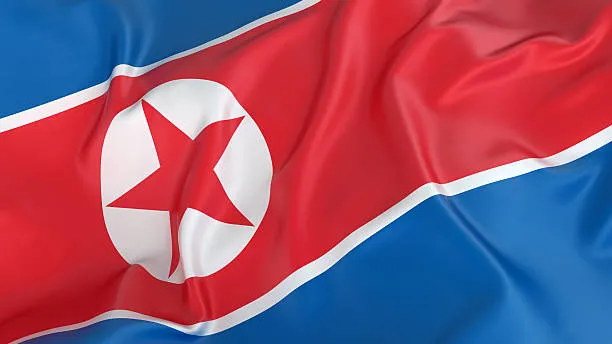
By sending troops and supplying weapons to Russia for the war against Ukraine, North Korea has earned up to $14 billion over the past three years.

This is reported by Nikkei, citing a research institute affiliated with South Korea’s National Intelligence Service.

According to the Bank of Korea, the DPRK’s economy grew by 3.7% in 2024 – the highest rate in eight years. Following this, the country’s GDP stood at approximately $26.6 billion.

Around 10,000 North Korean special forces soldiers are fighting on the front line in Ukraine, along with thousands of engineers and hundreds of drone operators. There are plans to send a further 30,000 soldiers. North Korean fighters receive around $2,000 a month, and the families of those killed can count on financial payments and elite housing in Pyongyang.

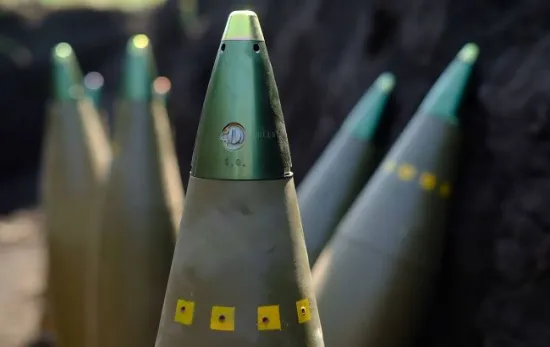
In addition, the DPRK has supplied Russia with KN-23 ballistic missiles, artillery shells and rocket artillery. In exchange for military aid, North Korea has received foreign currency, energy resources, food and military technology from Russia. This, in turn, undermines the effectiveness of the global economic sanctions imposed on the DPRK in 2016 due to nuclear tests and ballistic missile launches.

“An increase in military supplies to Russia could lead to long-term changes in North Korea’s industrial structure and technological capabilities,” warned Nam Jin-wook, a researcher at the Korea Development Institute.

The rapid growth of the defence industry and improved energy supplies are already having a positive impact on the lives of residents in the North Korean capital. Eyewitnesses note that in 2025, the number of luxury cars on the streets of Pyongyang has increased significantly compared to previous years. Japan and South Korea also used wartime demand as an engine of economic growth after the Second World War.

As a reminder, North Korean dictator Kim Jong-un previously called on young people to prepare for war in Ukraine.

Follow us on Telegram
Share tittle
Politics
Zelenskyy has appointed a new commander-in-chief: Drapatiy is to replace Syrskyi
Politics

Zelenskyy has appointed a new commander-in-chief: Drapatiy is to replace Syrskyi

President Volodymyr Zelenskyy has appointed Mykhailo Drapaty as the new Commander-in-Chief of the Armed Forces of Ukraine. He will replace Oleksandr Syrskyi once the personnel decisions have been formally finalised.

21.07.2026
The Hungarian Public Prosecutor’s Office carried out searches at the offices of Orbán’s Fidesz party
Politics
  • Important

The Hungarian Public Prosecutor’s Office carried out searches at the offices of Orbán’s Fidesz party

The Hungarian party Fidesz has stated that the public prosecutor’s office carried out searches at the office where its servers are housed. The party has accused the government of attempting to obstruct its activities.

21.07.2026
The Director of the FBI may visit Russia for the first time in over ten years
Politics

The Director of the FBI may visit Russia for the first time in over ten years

Kesh Patel, Director of the US Federal Bureau of Investigation, may visit Russia this autumn. According to Politico, the trip is currently being planned, and the details are still subject to change.

21.07.2026
The Vatican is prepared to host a meeting between the leaders of Ukraine and Russia
Politics

The Vatican is prepared to host a meeting between the leaders of Ukraine and Russia

The Vatican is prepared to host a summit that could help bring an end to Russia’s war against Ukraine. The date of the talks and the list of participants have not yet been agreed.

21.07.2026
NATO countries are facing a shortage of cotton for gunpowder production – WSJ
Politics

NATO countries are facing a shortage of cotton for gunpowder production – WSJ

NATO countries are facing an acute shortage of cotton, which is needed to manufacture explosives for artillery munitions.

21.07.2026