The Russian Federation has upgraded the "Iskander" and "Kinzhal" missiles to bypass Ukrainian air defenses - Financial Times


This is reported by ThePublic.info citing Financial Times.
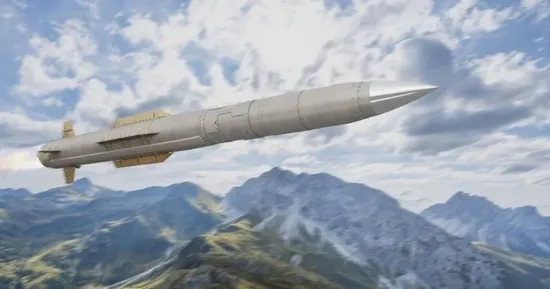
According to the publication, Russia likely modified its mobile "Iskander-M" system, which launches missiles with a range of up to 500 km, as well as the "Kinzhal" ballistic missiles, launched from the air and capable of traveling up to 480 km. Currently, these missiles follow a typical trajectory, then change course and dive at a steep angle or perform maneuvers that "confuse and bypass" Patriot interceptors.
"This 'changes the game' for Russia," said a former Ukrainian official. Since Kyiv is also facing delays in the supply of air defense interceptors from the US, the missile campaign has destroyed key military targets and critical infrastructure ahead of winter. Ukraine's missile interception rate improved throughout the summer, reaching 37% in August, but fell to 6% in September, despite fewer launches," – writes Financial Times.
A Western official familiar with Patriot effectiveness data said that the first sign of Russian missile modernization was a noticeable decrease in interception efficiency. It is said that a "pattern" has emerged where approaching missiles behave differently in the "final phase," deviating from previously established engagement parameters.
The official's assessment is confirmed by a report compiled by the Pentagon's Defense Intelligence Agency inspector general, covering the period from April 1 to June 30.
The document states that the Ukrainian armed forces "had difficulty consistently using Patriot air defense systems to defend against Moscow's ballistic missiles due to recent Russian tactical improvements, including enhancements that allow its missiles to change trajectory and perform maneuvers rather than follow a traditional ballistic path."
According to Western and Ukrainian officials, Ukraine shares data on Patriot usage with the Pentagon and American air defense system manufacturers. This data is used to make updates necessary to keep up with the changes introduced by Russia. However, officials emphasize that these improvements often lag behind Moscow's updates.