Russia is urgently deploying forces to counter Ukrainian drones – Syrskyi

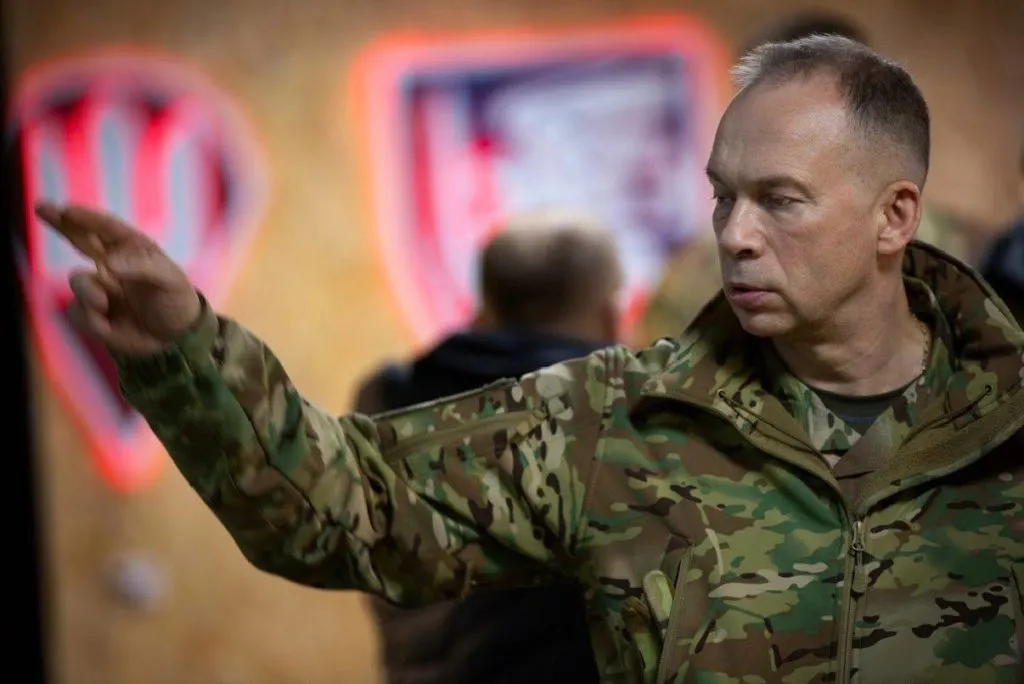
This was announced on Telegram by the Commander-in-Chief of the Armed Forces of Ukraine, Oleksandr Syrskyi.
The Commander-in-Chief received a report from military intelligence regarding the development of the Russian Federation’s unmanned aerial vehicle forces.
“The enemy is urgently deploying, outside of approved plans, a further 4 regiments, 24 battalions and 162 batteries to counter our strike drones. It is strengthening the layered air defence cover over Moscow and the Krasnodar Krai,” Syrskyi wrote.
He also stated that Russia is increasing the supply of attack drones with turbojet engines to its forces. The Commander-in-Chief noted that the Russians are effectively scaling up their unmanned aerial systems forces by copying Ukrainian solutions – technical, tactical and organisational. The same applies to the use of electronic warfare assets in border regions, Syrskyi added.
According to intelligence reports, as the Commander-in-Chief explained, Russia plans to produce 7.3 million FPV drones and 7.8 million combat units for various types of UAVs this year. Despite this, Syrskyi emphasised that the defence forces continue to hold the initiative.
“Our advantage in FPV drones is growing. Since December, for the fifth month in a row, the unmanned systems units of the Ukrainian Defence Forces alone have neutralised more occupiers than Russia has managed to mobilise into its army,” said Syrskyi.
According to him, during April, Ukrainian unmanned aerial systems carried out nearly 357,000 combat missions, struck over 160,700 verified targets (2% more than in March), and neutralised over 7,700 positions of Russian unmanned aerial system pilots. In addition, 424 Russian targets were struck using Middle Strike systems at ranges of 20–250 km.
“War is constantly changing. The enemy is adapting, seeking new ways to counter our strengths. Therefore, we must act faster, more flexibly and with greater technological sophistication. Among the key tasks are improving the effectiveness of electronic warfare, increasing the use of ground-based robotic electronic warfare platforms and reviewing the effectiveness of individual electronic warfare assets,” added the commander-in-chief.
Follow us on Telegram