Russia is building up its military presence in the Atlantic and reviving the spectre of the Cold War – Bloomberg

Bloomberg reports on this.
This is not merely a matter of upgrading, but a drive to modernise and restore the naval power that Moscow lost following the collapse of the USSR.
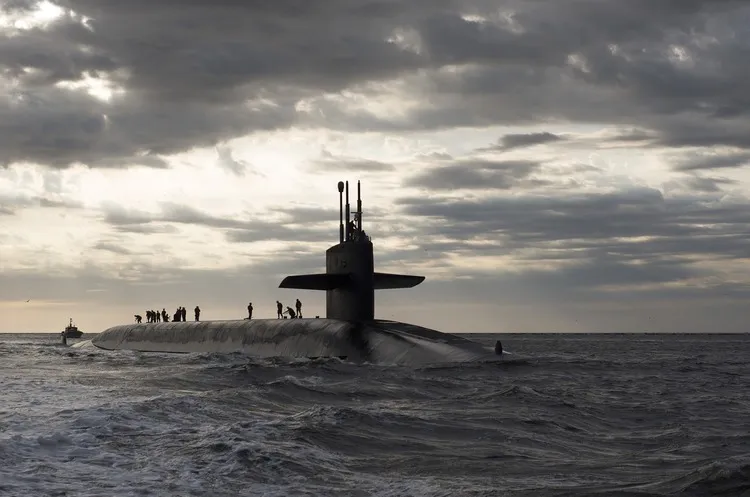
Over the last decade, Putin has invested significant resources in building new submarines – modern, well-armed and, crucially, difficult to detect.
This stands in stark contrast to the situation in the US, which formally retains a numerical advantage but faces an unexpected problem – a labour shortage for the construction of new submarines. As a result, the balance of power is beginning to shift slowly but noticeably.
The heart of Russia’s submarine power remains the Northern Fleet, based near Murmansk. It is from here that nuclear submarines head out into the North Atlantic – or vanish beneath the Arctic ice, making them virtually untraceable. For the Kremlin, this is not merely a military tool, but a key element of nuclear deterrence.
NATO is already responding. ‘Frontline’ countries – notably Norway and the UK – are stepping up their anti-submarine defences, reverting to Cold War-era tactics. This involves the classic ‘cat-and-mouse game’ at sea, but now utilising the latest technologies.
A recent incident has only confirmed the seriousness of the threat. The British military stated that they had managed to thwart a covert Russian operation targeting underwater infrastructure – cables and communications – in British waters.
It all began with the detection of a Russian attack submarine that entered international waters in the north.
This is no longer merely a show of force, but the start of operations against critical infrastructure – the very infrastructure on which the global internet, financial transactions and energy depend.
Analysts point out that the Atlantic is once again becoming an arena for strategic confrontation. But whereas during the Cold War this was a contest between two superpowers, today the situation is more complex: technologies have become more sophisticated, risks more global, and the rules of the game less predictable.
As Bloomberg reports, whilst tankers, straits and oil are being discussed on the surface, another war is already unfolding beneath the waves – a quiet, invisible and potentially no less dangerous one.
As a reminder, it was previously reported that Sweden does not rule out the possibility that Russia may seize one of the Baltic Sea islands in the near future – and thus test how NATO would react to such a provocation.
Follow us on Telegram