Russia continues shelling Ukrainian regions

Sumy Region
During the day, from the morning of December 3 to the morning of December 4, the Russian army carried out over ten strikes on six settlements in the Sumy region. Five territorial communities came under fire.
According to the Regional Military Administration, there are no civilian casualties, but new destructions have been recorded. In the Shalyhynska and Znub-Novhorodska communities, residential buildings have been destroyed. In the Hlukhiv and Esman communities, multi-apartment buildings have been damaged.
The occupiers used guided aerial bombs and drones.
Odesa Region
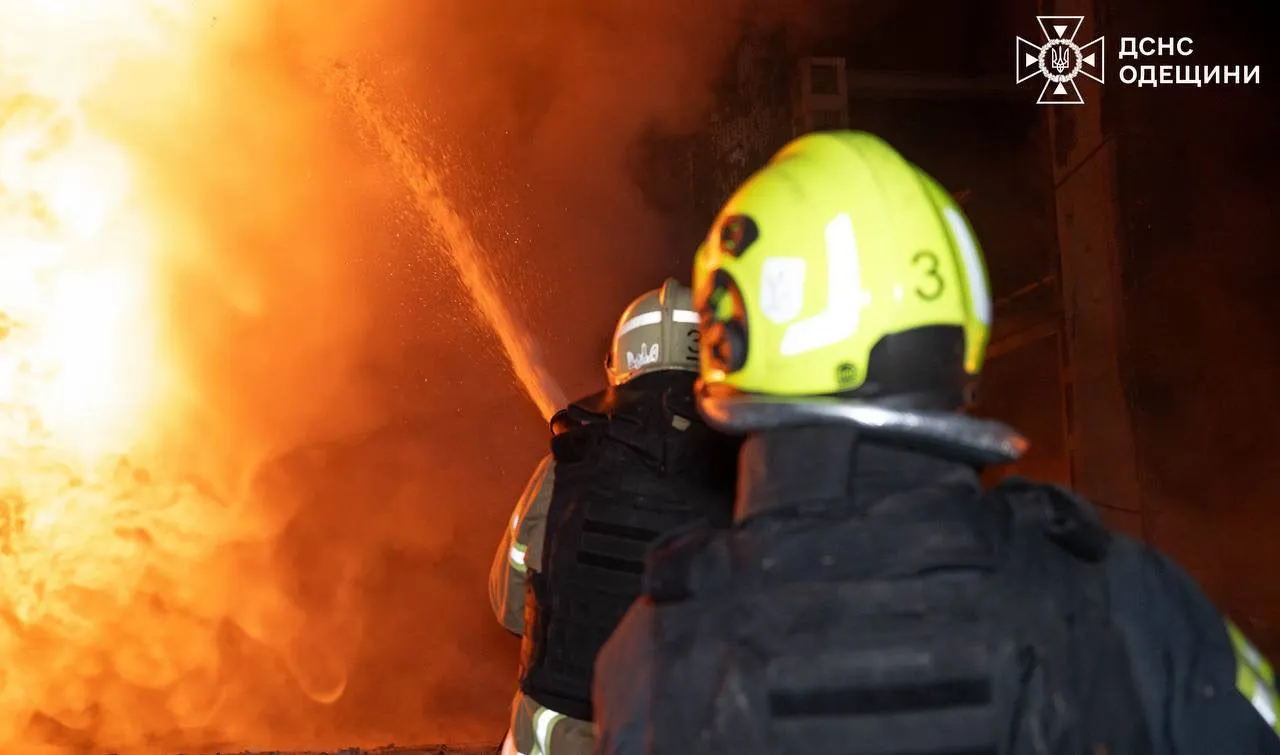
A nighttime drone attack in Odesa resulted in damage to civilian and energy infrastructure and wounded six people.
According to the Regional Military Administration, air defense forces shot down most targets, but debris and the shock wave caused destruction in seven multi-storey buildings and an administrative building. Passenger cars were damaged, and a fire broke out at an energy facility, which was quickly extinguished.
Two people were rescued from blocked apartments. Another 33 residents, including six children, received psychological assistance. Emergency points were set up for residents of the affected buildings.
Kherson Region
The situation in Kherson region remains the most tragic. Over the course of a day, Russian troops shelled 21 settlements, using drones, aircraft, and artillery.
As reported by Head of the Regional Military Administration Oleksandr Prokudin, three civilians were killed, including one child. Seven more people were wounded. Private houses, an administrative building, and a car were damaged.
In the morning of December 4, the enemy struck the Dniprovskiy district of Kherson: a 59-year-old woman and two men aged 49 and 67 were wounded. The injured suffered concussions, explosive, and shrapnel injuries. They were hospitalized.
Four people have been evacuated from the liberated communities of the region, and authorities remind residents of the possibility of leaving for safer places through the regional contact center.