Russia has replaced Starlink with European satellites built by Airbus and Thales

In this way, Russia is attempting to reduce its reliance on the Starlink system, which the Russian military previously used extensively through unofficial channels, reports United24 Media.
These are the compact Sprint-030 satellite stations, which the Russian military can deploy directly in the field. They provide satellite internet, communications between units, drone control and the transmission of intelligence data. The terminals operate via the Russian Yamal and Express satellite systems.
However, the key point is that some of the Express series satellites were built by European companies.
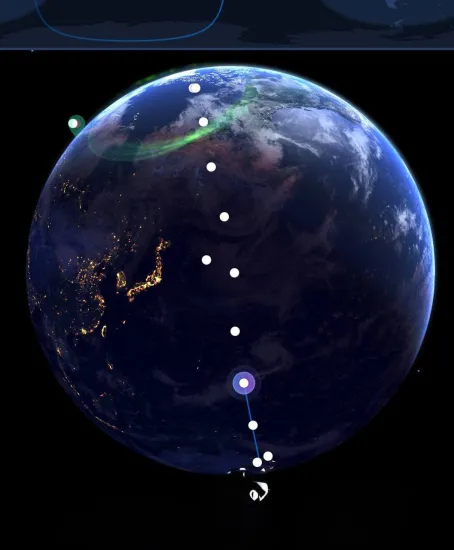
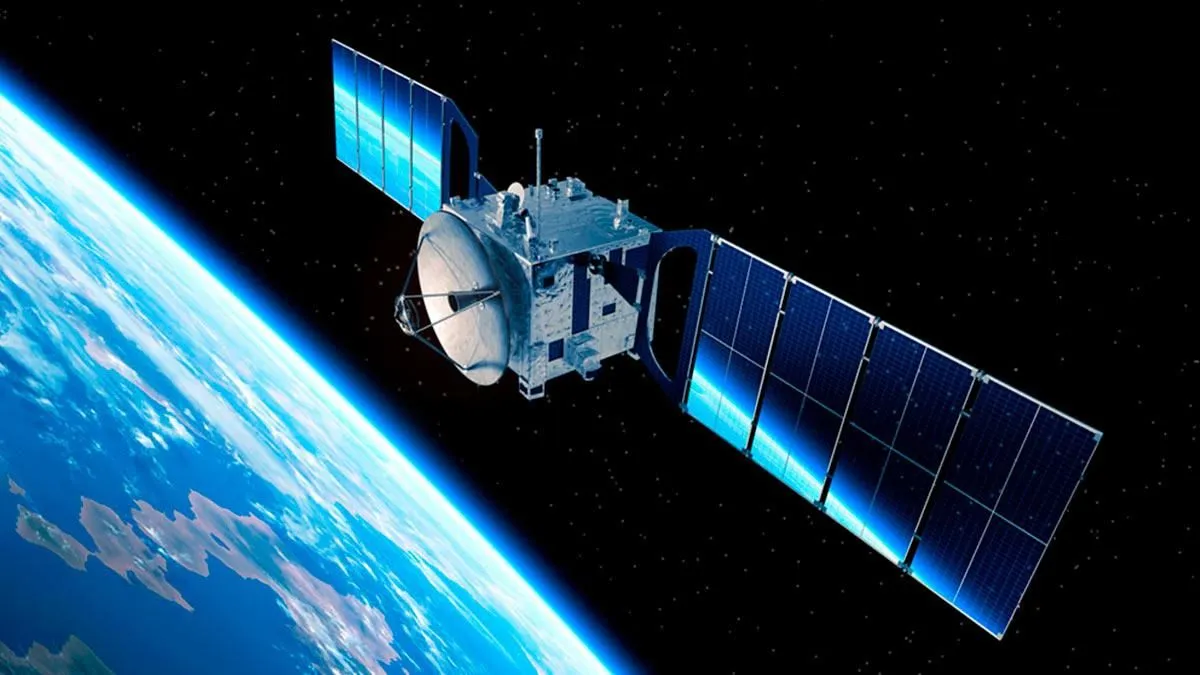
In particular, the Express-AM7 satellite was built by Airbus and launched in 2015. It operates in geostationary orbit and is currently being used by Russia for military communications.
Other satellites in the Express series also contain telecommunications equipment manufactured by Thales Alenia Space.
Many of them were launched between 2009 and 2021, i.e. even after 2014 and the start of sanctions.
Previously, the Russian military actively used Starlink for frontline communications, drone control and attack coordination. But after Ukraine, together with SpaceX, restricted access to unofficial terminals, Russian units began to experience serious communication problems.
Now, in order to restore communications for drones and troop command, Russia is switching to its own satellite infrastructure, using old satellites and connecting new field terminals.
The problem is that even under sanctions, Russia continues to use technology developed by the West, because these satellites were built before the strict sanctions were imposed, and since they are already in orbit, it is impossible to ‘switch them off’.
Moreover, some of the technology is being channelled through third countries, allowing Russia to create new terminals to work with the old satellites.
This shows that technology sanctions work slowly and often with a significant delay, especially when it comes to space, satellites and complex electronics.