Russian troops withdraw equipment from Syria

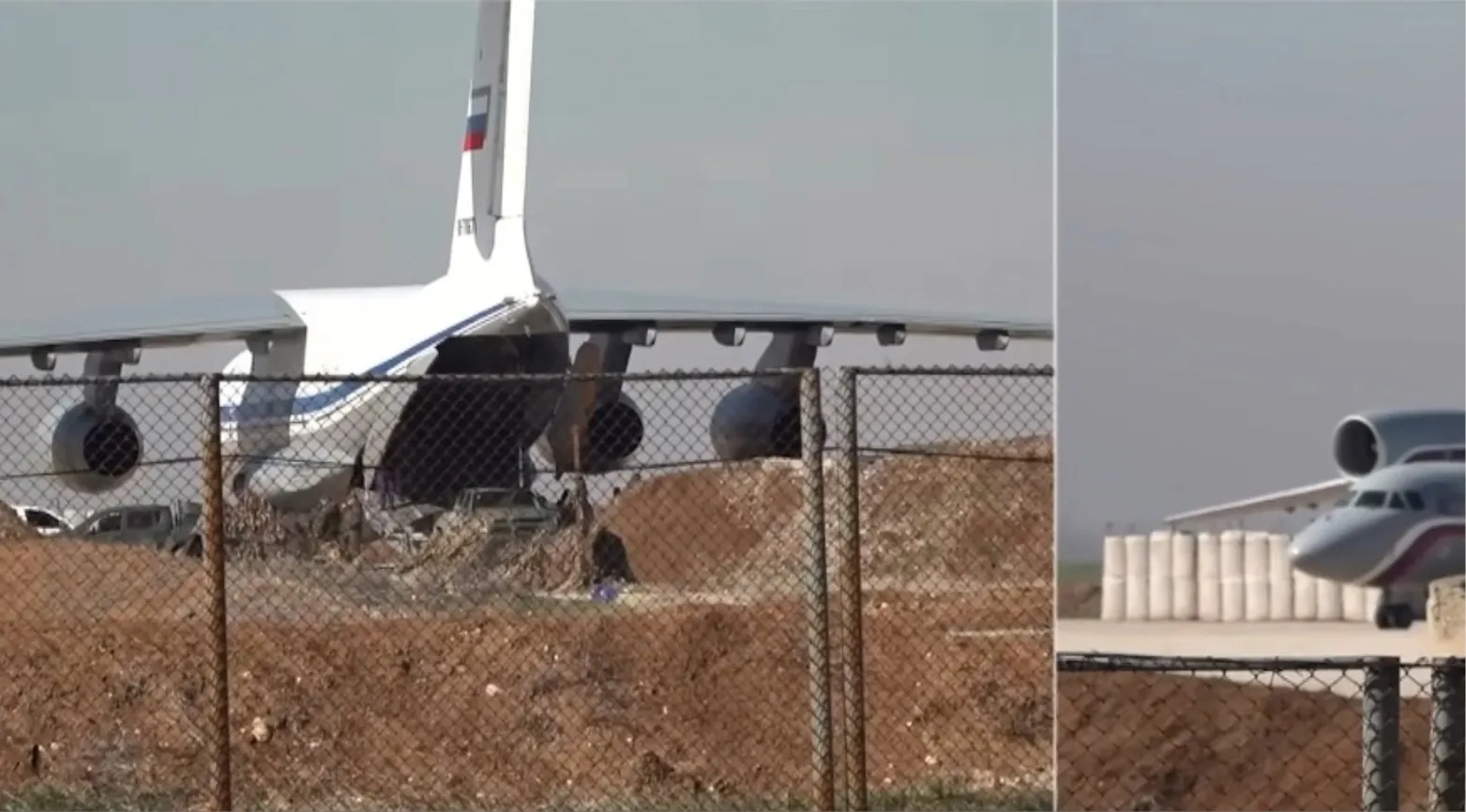
Russian military units left the airport in the city of Kamishli in north-eastern Syria and transferred personnel and heavy equipment to the country's Mediterranean coast. The withdrawal process took several days and became publicly visible on Monday, 26 January 2026, when columns of armoured vehicles left the airport. This was reported by The Public, citing Kurdistan24.
According to regional sources, Russian troops transferred tanks, military vehicles and logistical support to permanent bases in the Latakia area, where the Russian Federation's main presence in Syria is concentrated. This marked the end of a mission that lasted more than six years and played a key role in the security system of the north-east of the country.
Russia has used the Kamishli airport since 2019 as a base for monitoring the situation in the region, coordinating with the government in Damascus and conducting operations against ISIS militants. The facility also allowed the Kremlin to maintain influence in areas controlled by the Kurdish administration.
The withdrawal of forces coincides with the release of the US defence strategy for 2026, which calls for a reduction in Washington's direct military involvement in regional conflicts and a greater emphasis on allies' independent responsibility for their own security. The document defines the threat from Russia as persistent but controllable, with a focus primarily on NATO's eastern flank rather than the Syrian theatre.
The changes are taking place against the backdrop of instability in north-eastern Syria, where a fragile truce between the Syrian Democratic Forces and the central government remains in place. According to the UNHCR, tens of thousands of people remain displaced due to tensions and the lack of a political settlement in the region.
Experts note that the winding down of Russia's presence in Qamishli is part of a broader trend in which external actors are gradually handing over responsibility for security to local parties. For the city's residents, this means the disappearance of one of the key international deterrents in the context of a humanitarian crisis and an uncertain political future.
Russia, Syria, UN,