US intelligence has not detected any significant new setbacks in Iran’s nuclear programme

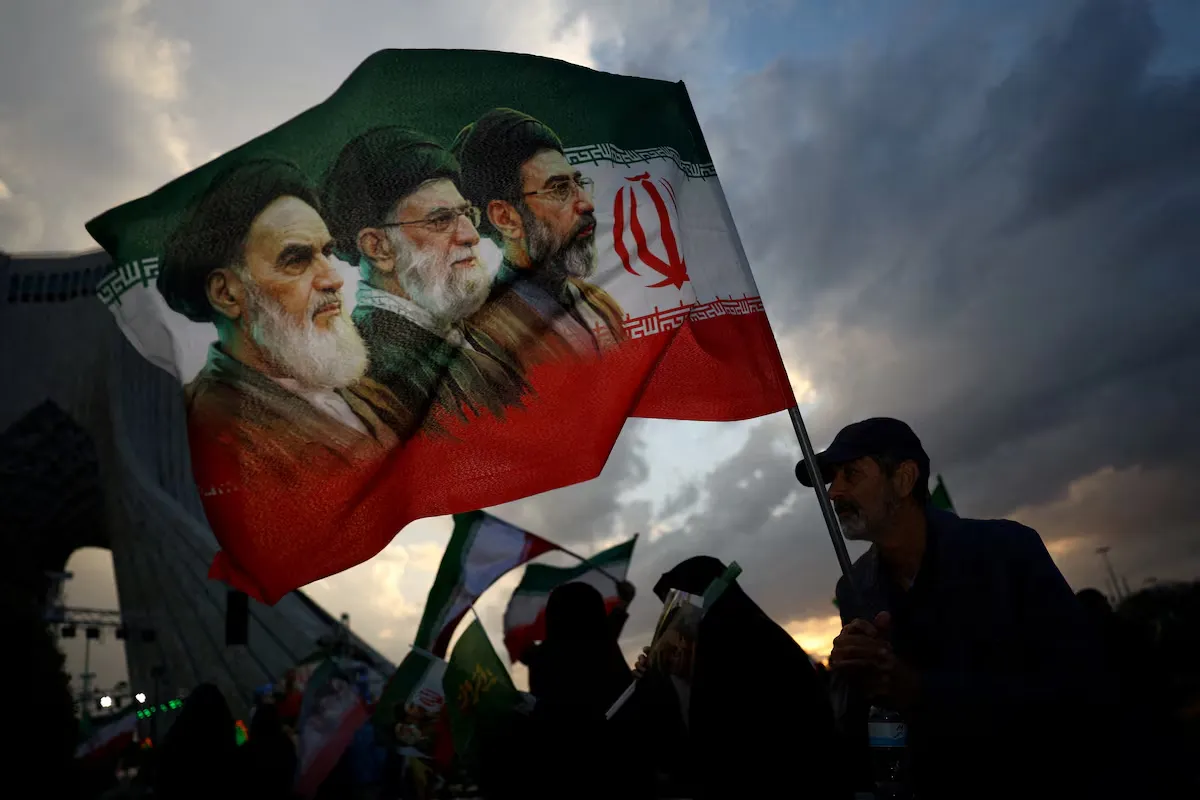
According to Reuters sources familiar with US intelligence assessments, the latest US and Israeli strikes, which began on 28 February, were primarily directed at conventional military targets. At the same time, Israel also attacked a number of sites linked to nuclear infrastructure.
The consistency of these assessments suggests that the destruction or removal of stocks of highly enriched uranium may be necessary to significantly curb Iran’s nuclear programme.
Hostilities ceased following a ceasefire agreement between the US and Iran on 7 April. Despite this, tensions remain, particularly due to restrictions on traffic in the Strait of Hormuz, which affects around 20 per cent of global oil supplies.
US Defence Secretary Pete Hagset stated that the aim of the negotiations with Tehran is to prevent Iran from acquiring nuclear weapons.
According to intelligence estimates, prior to the 12-day war in June, Iran could have produced enough enriched uranium to build a bomb within three to six months. Following strikes on facilities in Natanz, Fordow and Isfahan, this timeframe has increased to approximately nine months or a year.
During the attacks, three uranium enrichment facilities were destroyed or seriously damaged. At the same time, the International Atomic Energy Agency has been unable to confirm the whereabouts of approximately 440 kilograms of uranium enriched to 60 per cent.
According to the agency’s assessment, the existing stockpiles of highly enriched uranium could be sufficient to produce ten nuclear warheads if further enriched.
The White House stated that operations against Iran had inflicted significant damage on its nuclear and defence infrastructure. However, the US Office of the Director of National Intelligence has not commented on this information.
US officials have repeatedly emphasised that dismantling Iran’s nuclear programme is a key objective. Vice-President J.D. Vance noted that Iran must not acquire nuclear weapons.
According to sources, the consistency of the assessments is also explained by the fact that the latest US strikes focused on conventional military targets rather than nuclear infrastructure.
Former US intelligence analyst Eric Brewer stated that Iran is likely to be storing its nuclear materials, which may be located in deep underground facilities.
Among the possible courses of action considered were operations to seize highly enriched uranium, particularly from underground tunnels in the Isfahan area.
Iran denies any intention to develop nuclear weapons. According to assessments by the US and the International Atomic Energy Agency, work on developing warheads was halted in 2003.
Assessing Iran’s nuclear capabilities remains a complex task even for the world’s leading intelligence agencies. Some experts believe that the strikes may have had a greater impact than reflected in official assessments.
US Secretary of State Marco Rubio noted that strikes on Iran’s air defence systems had reduced its ability to protect nuclear facilities.
The situation was also affected by the elimination of leading Iranian nuclear scientists. According to experts, this may have heightened uncertainty regarding Tehran’s ability to develop a fully-fledged nuclear weapon.