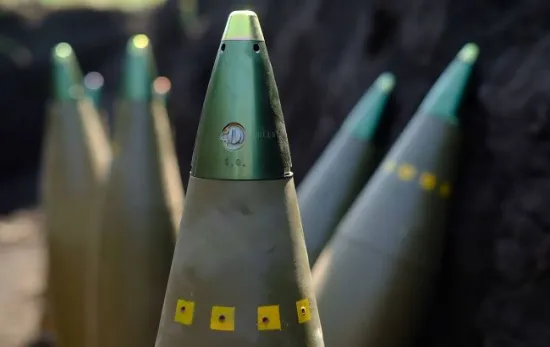
Rutte warned Russia of a ‘devastating’ response in the event of a nuclear strike on Ukraine

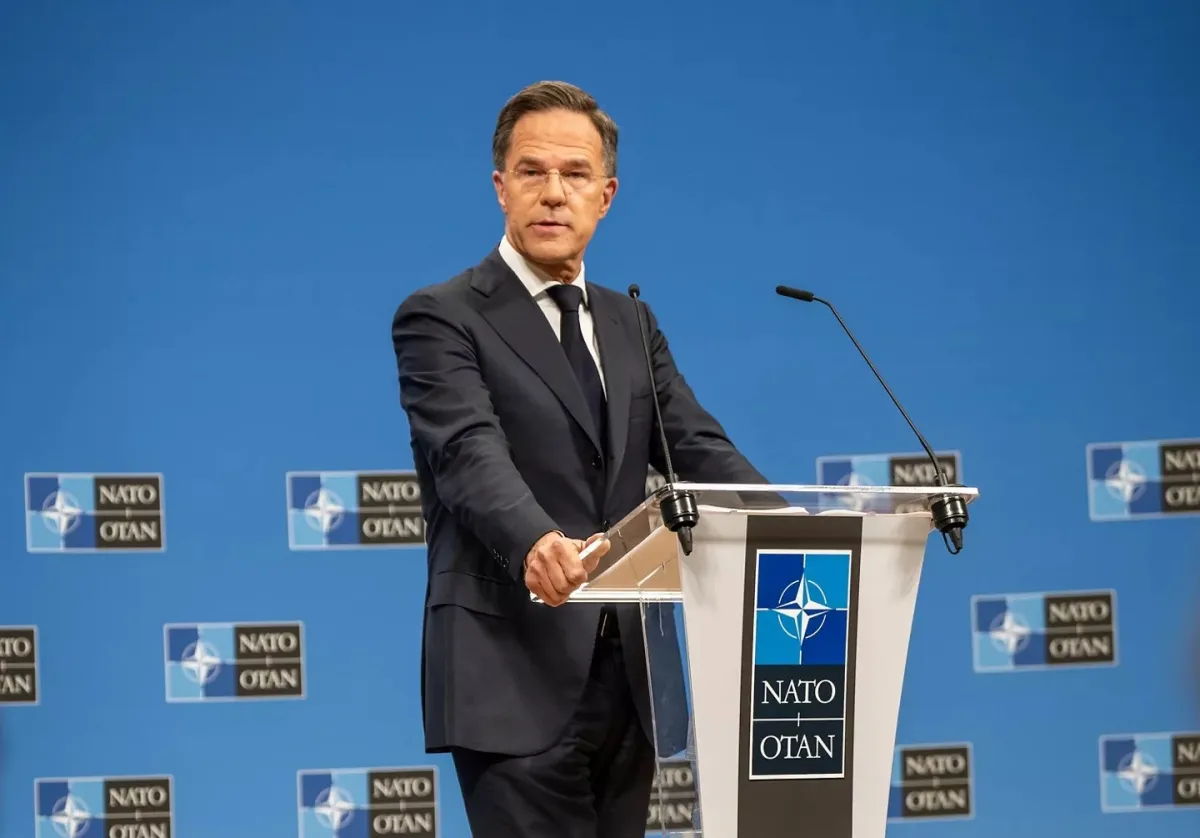
NATO Secretary General Mark Rutte has warned Russia against the possible use of nuclear weapons in the war against Ukraine.
“They know that if this happens, the Alliance’s response will be devastating,” Rutte said, responding to a question about the likelihood of a nuclear strike by Russian President Vladimir Putin.
Rutte also stated that NATO is closely monitoring the Russian nuclear exercises, which began on 19 May. According to the Russian side, over 64,000 military personnel and more than 7,800 pieces of equipment are taking part in the three-day manoeuvres, including nuclear submarines, missile systems and strategic aircraft.
The Russian Ministry of Defence stated that the aim of the exercises is to prepare for the use of nuclear forces “in the event of a threat of aggression”. Following Rutte’s statement, the Russian defence ministry released a video captioned: “Nuclear forces exercises are gathering pace”.
Since the start of the full-scale war, Russia has repeatedly used nuclear rhetoric, in particular in an attempt to influence Western allies’ support for Ukraine.
Following the 9 May celebrations, the Russian authorities conducted a test of the “Sarmat” intercontinental ballistic missile. Russian President Vladimir Putin described it as “the most powerful in the world” and stated that the missile is capable of striking targets at a range of up to 35,000 kilometres.
Following the launch, Deputy Chairman of the Russian Security Council Dmitry Medvedev addressed “Western friends”, whilst Russian state media actively covered the missile test.
Analysts at the US Institute for the Study of War believe that Russia’s nuclear exercises are being used to demonstrate strength to Ukraine’s allies and divert attention from Russia’s problems on the front line.
The current manoeuvres were not announced in advance, unlike the traditional annual ‘Grom’ exercises, which are held in the autumn.
At the same time, Moscow has stepped up its rhetoric regarding NATO. On 19 May, Russian Deputy Foreign Minister Sergei Ryabkov accused the Alliance of provoking nuclear tensions and warned of the risk of a ‘head-on collision’ between Russia and NATO with ‘catastrophic consequences’.