What did Trump's conversation with Putin reveal - BBC
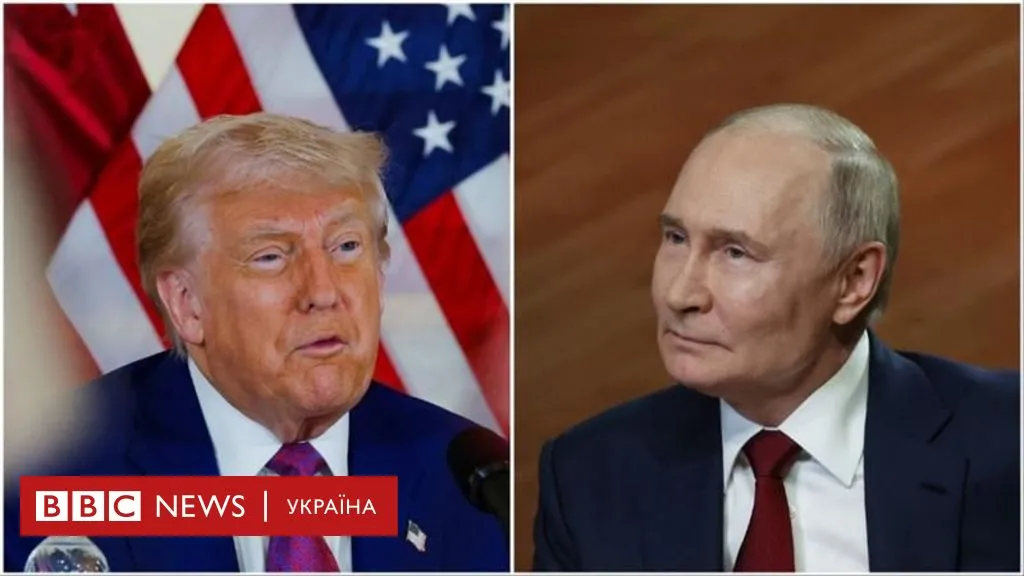
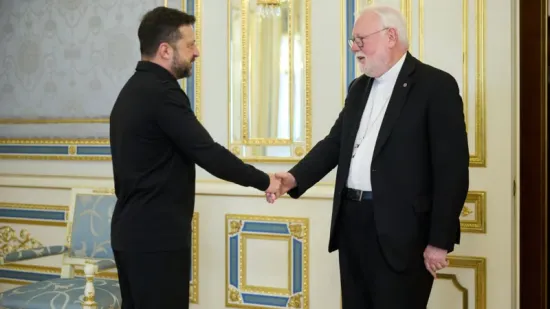
On Monday, May 19, the situation changed again. After a two-hour phone call with Putin, the American president stated that the terms of a peace agreement could only be agreed upon between Russia and Ukraine – and possibly with the help of the Pope.
However, the US president did not lose optimism about the prospects for peace and wrote on social media that Ukraine and Russia will "immediately begin" negotiations to cease fire and stop the war, reports Anthony Zurker, North American BBC correspondent.
These sentiments differ somewhat from the Russian view. Putin only said that his country is ready to cooperate with Ukraine on developing a "memorandum on a possible future peace agreement." Negotiations on memoranda and "possible future" peace are unlikely to be the solid foundation on which to quickly build long-term agreements.
Putin again emphasized that any decision must aim to eliminate the "root causes" of the war, which Russia previously defined as Ukraine's desire for closer ties with Europe.
On Truth Social, after a call with Putin, Trump stated that Russia and Ukraine will "immediately start negotiations" on a ceasefire and added that "the parties will agree on the terms."
But there is also a possibility that Trump's latest comment on the war could be a sign that the US will eventually abandon the negotiating table.
Shortly afterward, on May 19, Trump stated that he would not withdraw from mediating negotiations between the two countries but admitted that he has a "red line in his mind."
"I'll tell you, there's a lot of ego involved here, but I think something will happen," he said. "And if it doesn't, I'll just step back, and they'll have to continue." However, such a step raises certain questions – as well as risks.
If the US washes its hands of the war, as Vice President J.D. Vance and Secretary of State Marco Rubio threatened, does that mean the US will also cease its military aid and intelligence sharing?
And if so, Russia, which has significantly greater resources than Ukraine, might find such a development favorable. This is enough to make Ukrainian President Volodymyr Zelensky nervous.
"It is extremely important for all of us that the United States does not distance itself from negotiations and the pursuit of peace," he said on Monday after Trump's conversation with Putin.
Trump expressed disappointment with both Putin and Zelensky, as the resolution of the war is delayed. During a quarrel in the Oval Office in February, he accused the Ukrainian leader of "a risky game with World War III," and in April, he stated that he was "angry" at Putin when negotiations seemed to reach a dead end.
If we set aside Trump's rhetoric after the call with Putin, it appears that Ukraine and Russia intend to continue negotiations, and any talks after years of war are progress. It is still unclear whether the Russian side will send anyone other than the low-level delegation that left for Istanbul last Friday for a meeting with Ukrainians.
Trump promises to ease sanctions against Russia, as well as new trade agreements and economic investments to encourage Putin to reach a peace deal. He again mentioned this in his comments after the conversation. At the same time, there was no mention of new sanctions against the Russian banking sector and energy exports.
Last month, the US president warned that Russia should not attack civilian infrastructure. But on the night of May 18-19, Russia launched its largest drone strike on Ukrainian cities during the entire war.
The Monday conversation between Putin and Trump clearly indicates that any ceasefire or peace agreement is still far over the horizon.