The US has presented Iran with a plan to end the war in the Middle East

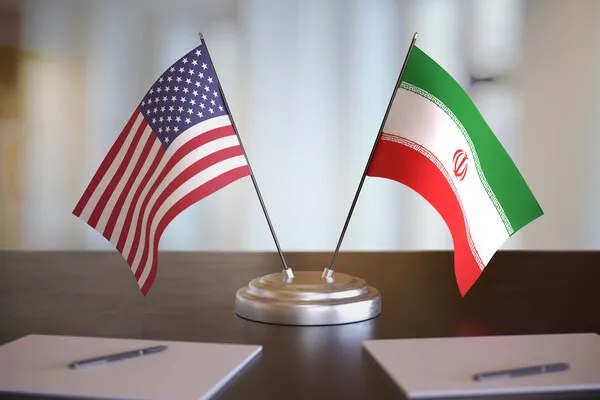
The New York Times (NYT) reports this, citing sources.
The NYT reports that the editorial team did not have a copy of the plan, but anonymous officials stated that it demonstrates the Trump administration’s desire to ‘find a way out of the conflict’ and concerns Iran’s ballistic missiles and nuclear programme.
Meanwhile, according to Israel’s Channel 12, the document provides for a one-month ceasefire and contains the following demands on Iran:
- the dismantling of existing nuclear facilities;
- a commitment that Iran will never develop nuclear weapons;
- a ban on the enrichment of nuclear material within Iran;
- the transfer of all enriched nuclear material to the control of the Atomic Energy Organisation of Iran (AEOI) within a specified timeframe;
- the cessation of activities and the dismantling of facilities at Natanz, Esfahan and Fordow;
- access for the International Atomic Energy Agency (IAEA) to all information regarding Iran’s nuclear programme;
- abandonment of the policy of using proxy forces;
- ceasing the funding and arming of regional militias;
- The Strait of Hormuz will remain open as a free maritime zone;
- missile programme: a decision will be taken later, but the number and range will have to be limited;
- missiles may only be used for self-defence.
If Iran agrees to the US terms, it will receive several significant benefits:
- the lifting of all sanctions;
- support for the development of the civilian nuclear programme in Bushehr, particularly regarding electricity generation;
- the lifting of the threat of automatic reimposition of sanctions;
- the opportunity to negotiate within the framework of the agreement and certain security guarantees.
Three sources familiar with the details told Channel 12 that a mechanism is already in place, being used by US presidential advisers Jared Kushner and Steve Witkoff, with the approval of President Donald Trump.
The NYT reports that the document was passed to Iran via Pakistan, where the army chief of staff, Field Marshal Saeed Asim Munir, is the main intermediary between the US and Iran. He maintains links with the Islamic Revolutionary Guard Corps, which enables him to pass messages between the parties. As the NYT noted, Iran may face difficulties in responding promptly to the American initiative. Senior Iranian officials fear that Israel could launch a strike during face-to-face meetings.
It is currently unknown to what extent the plan has been circulated among Iranian officials and whether Tehran will agree to use it as a basis for negotiations. It also remains unclear whether Israel, which is waging war against Iran alongside the US, supports the plan, the publication noted.