The US and Iran are considering extending the ceasefire for a further two weeks

International mediators are working to organise technical talks aimed at resolving the most complex issues. These include the opening of the Strait of Hormuz and Iran’s nuclear enrichment programme. If successful, this could pave the way for a new round of high-level talks, according to Bloomberg.
No final decision has yet been made on extending the ceasefire, and the US has not yet agreed to this step. The Iranian Foreign Ministry did not provide an immediate comment. At the same time, the parties are not interested in a resumption of hostilities.
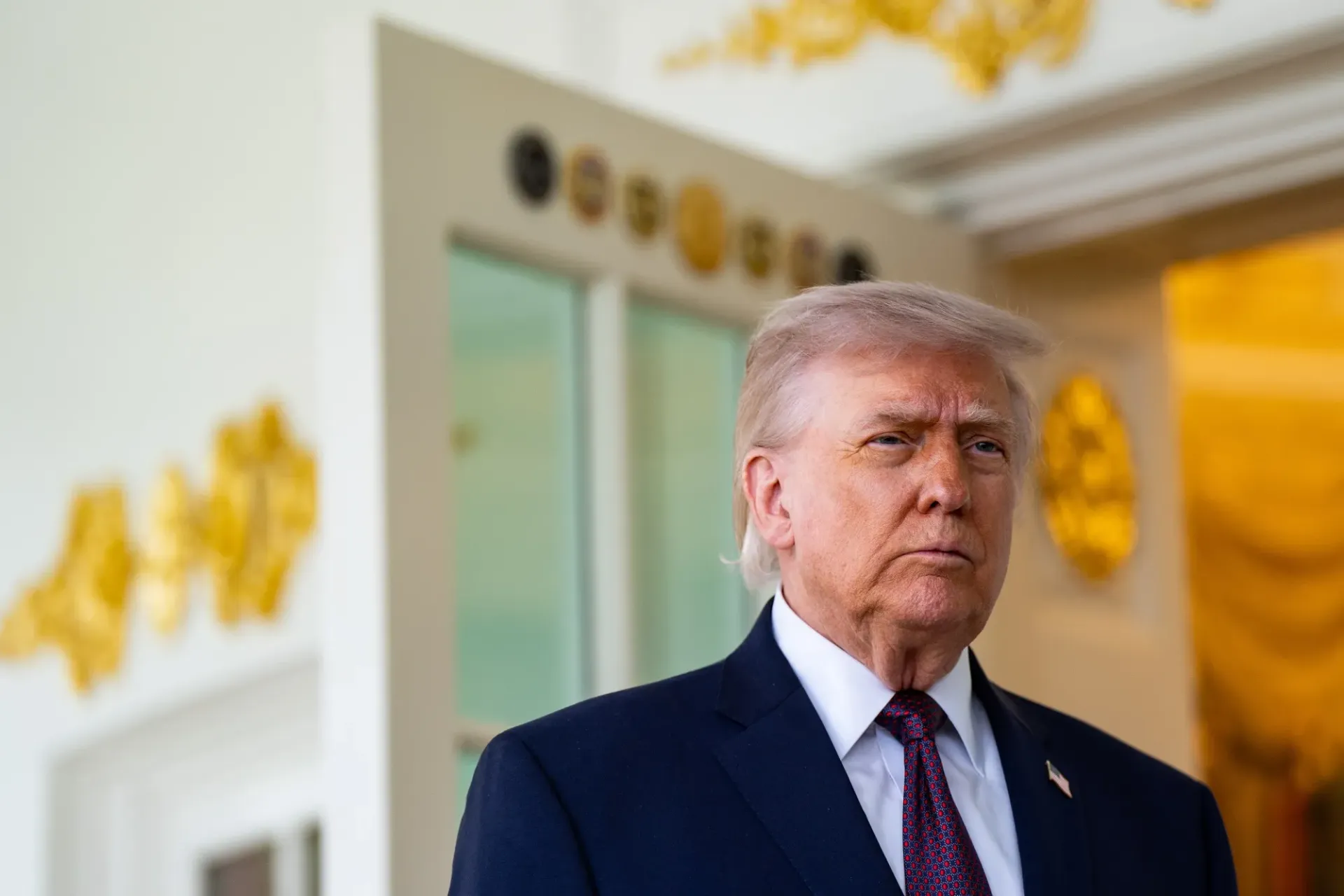
US President Donald Trump told Fox Business that the war, which has been ongoing for almost seven weeks, is “nearing its end”.
The conflict began on 28 February following air strikes on Iran by the US and Israel. As a result, the Islamic Republic suffered significant losses in its military and infrastructure. In response, Iran launched strikes across the Middle East and effectively blocked the Strait of Hormuz, leading to a rise in energy prices.
Key differences between the parties remain. Iran insists on its right to enrich uranium for civilian purposes, whilst Donald Trump argues that a ban is necessary to prevent the development of nuclear weapons. The US and Israel are also demanding that stocks of highly enriched uranium be handed over or destroyed.
Iranian Foreign Ministry spokesman Esmail Baghaei stated that the peaceful use of nuclear energy “cannot be revoked”, though the level and type of enrichment are open to discussion.
Israel’s position on extending the ceasefire remains unclear, although the country had previously stated it would act in coordination with the US. The Israeli government expects the parties to extend the two-week ceasefire to allow negotiations to continue.
On Wednesday, the Israeli security cabinet is set to discuss the possibility of a ceasefire in Lebanon, where Israel is engaged in combat operations against the Hezbollah group.
The Strait of Hormuz, through which about a fifth of the world’s oil and liquefied natural gas supplies pass, remains effectively closed. On Monday, the US began blocking ships entering or leaving Iranian ports. Iran has criticised these actions and suggested that they may violate the terms of the ceasefire agreed on 7 April. The agreement does not cover the conflict in Lebanon.
US Vice-President J.D. Vance and Iranian Parliament Speaker Mohammad Bagher Ghalibaf held a meeting in the Pakistani capital, Islamabad, on Saturday evening. The talks ended without any agreements being reached.
Follow us on Telegram