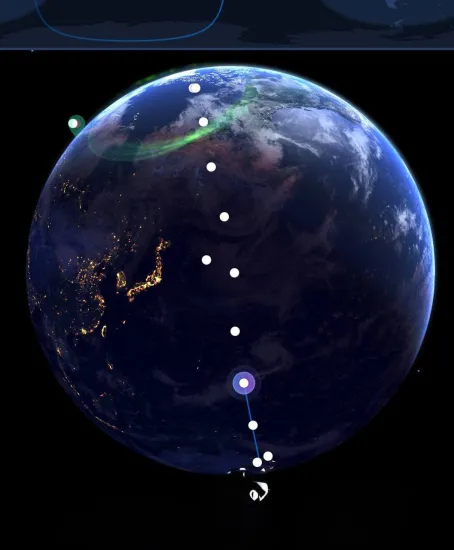
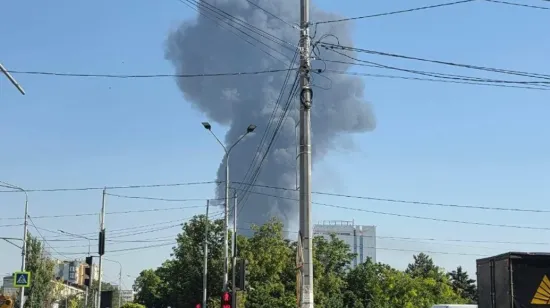
Trump has issued an ultimatum to Europe regarding the protection of the Strait of Hormuz

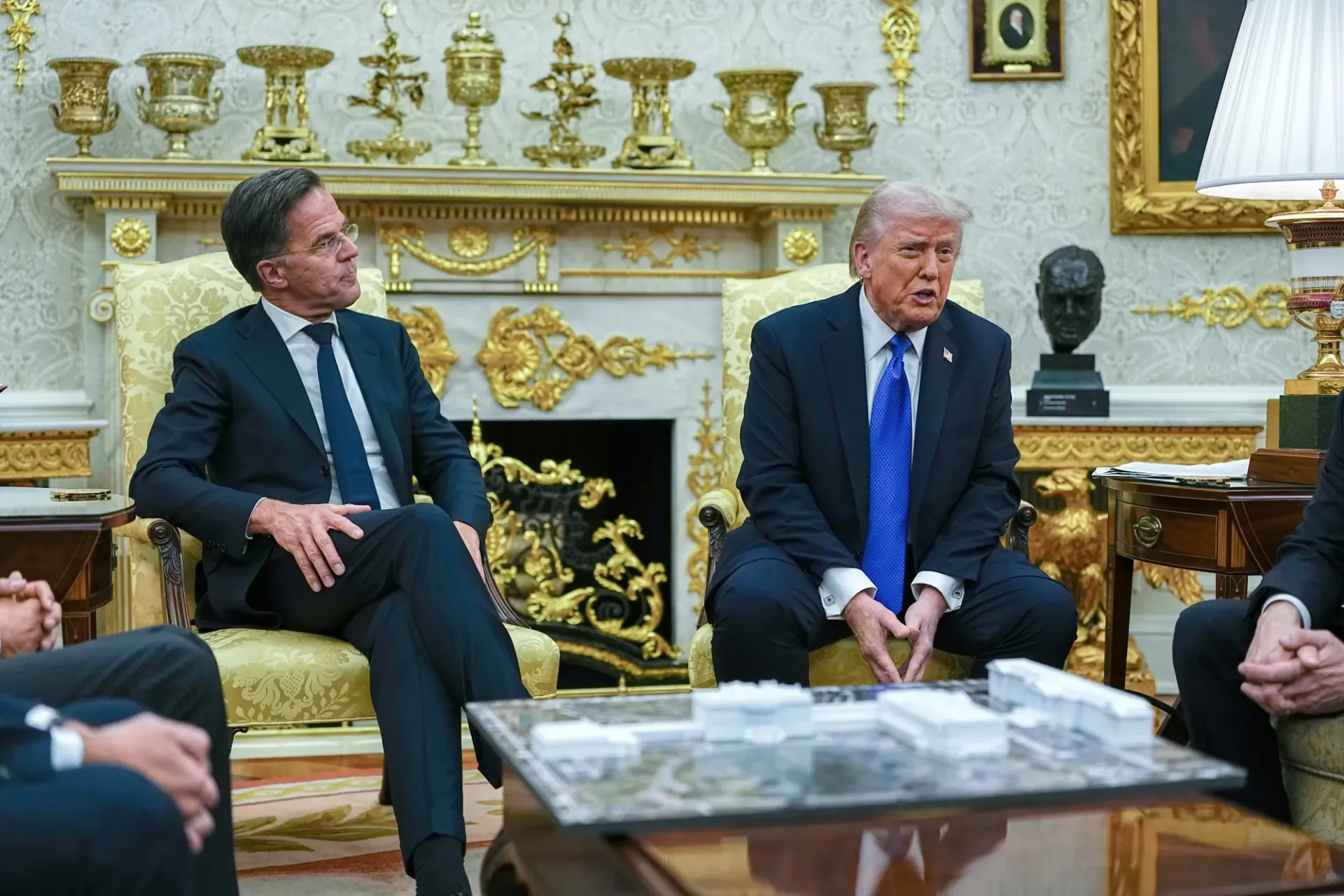
US President Donald Trump has called on European allies to decide within a few days on their specific contribution to ensuring the security of the Strait of Hormuz, in particular by deploying warships or other forces. This was reported by Der Spiegel, citing diplomats.
The issue was discussed during a closed-door meeting at the White House between Donald Trump and NATO Secretary General Mark Rutte. Following the talks, Mark Rutte informed European capitals that Washington expects concrete commitments in the near future.
According to diplomats, the US has made it clear that general political promises are no longer sufficient. At the same time, it remains unclear whether this refers to the creation of a NATO mission or to individual national actions by the allies.
Some European countries, notably Germany, are currently in no hurry to send naval forces to the region. Berlin has stated that the US and Israel did not consult with their allies before the start of the war with Iran.
German Chancellor Friedrich Merz had previously criticised the US and Israel for lacking a clear strategy to end the conflict. He noted that Germany could only join in ensuring the safety of shipping after a ceasefire and subject to an international mandate and parliamentary approval.
Following a meeting with Mark Rutte, the US President wrote on social media that NATO had failed to support Washington at the crucial moment. White House spokeswoman Caroline Levitt also stated that, in Donald Trump’s view, the alliance had failed to deliver during the war with Iran.
At the same time, the US called on its allies to provide detailed plans for ensuring the security of the strait once hostilities had ended. This issue was discussed not only in the White House, but also at the Pentagon and the State Department.
The UK-led coalition, comprising over 40 countries including European states, Japan and Canada, had previously stated its readiness to help restore shipping after the end of hostilities. Around 20 per cent of global oil and natural gas supplies pass through the Strait of Hormuz.
Donald Trump, Iran and Israel announced a 14-day ceasefire, which provides for a halt to attacks and the reopening of the strait. Following this, a number of European leaders declared their intention to facilitate freedom of navigation.
Despite this, strikes between Iran and Israel continue, and the strait remains effectively closed. Tehran has stated that Israel’s strikes on Hezbollah in Lebanon violate the terms of the ceasefire.
This situation casts doubt on whether the allies will be able to coordinate their actions swiftly and whether the deadlines set by the US are realistic.
Tensions between Washington and its allies have escalated after some countries refused to make their bases available for strikes against Iran and did not support the initiative to open the Strait during hostilities.
Mark Rutte also held a meeting with Secretary of State Marco Rubio. The parties discussed the situation regarding Iran, Russia’s war against Ukraine and the issue of coordination between allies.
Vice President J.D. Vance is set to lead the US delegation to Islamabad for talks with Iran.