Trump’s contradictory statements on Iran are causing uncertainty even within his own team

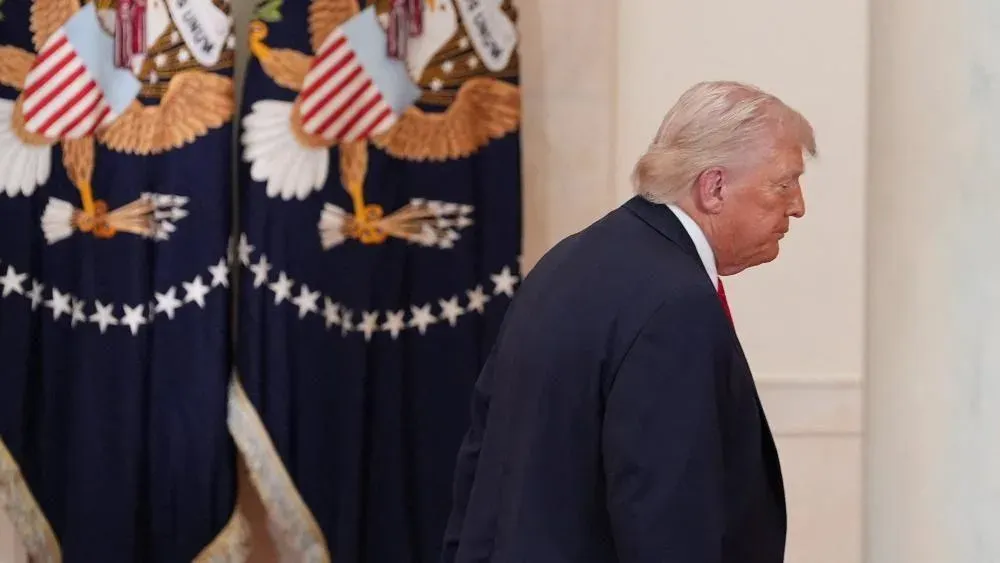
US President Donald Trump is sending mixed signals regarding the war with Iran, causing uncertainty among his advisers and allies. Those who regularly communicate with the president say they have no clear understanding of his intentions.
According to those interviewed, Trump’s social media posts and public statements could have serious consequences for the course of the war and financial markets. At the same time, no clear strategy emerges following such statements.
Some advisers believe the president is acting on the fly, without adhering to a set plan. He, they say, seeks to keep his options open and reacts depending on the situation.
One senior official stated that at various points, those close to Trump believed he was leaning either towards escalation or a swift end to the conflict. “No one really knows what he’s actually thinking,” the adviser said.
A former US official noted that a plan of action existed only at the start of the war, and that decisions have since been made as the situation unfolds. Meanwhile, other officials believe that this uncertainty is a deliberate strategy.
Senator Lindsey Graham, who has spoken with Trump, said that the lack of clarity is part of the plan. Defence Secretary Pete Hagset stated that the aim is to be unpredictable, so as not to give the enemy any insight into US intentions.
Another administration official noted that the president regularly contradicts himself, which is why his position remains unclear.
Despite this, according to those briefed, Trump is increasingly leaning towards ending the war in the near future and is considering the possibility of declaring victory within two or three weeks. In recent days, he has repeatedly spoken of the results achieved and possible ways out of the conflict.
In private conversations, the president engages more with hardliners, notably Lindsey Graham and Mark Levin, than with those who oppose escalation.
At the same time, the leaders of Israel, Saudi Arabia and the United Arab Emirates are expressing concern about the possibility of a swift end to the war without a definitive weakening of Iran.
According to one adviser, Saudi Arabia’s position is that it wishes to conclude the operation as decisively as possible, but the US does not support this approach.
Trump is simultaneously discussing various options for exiting the war, including the possibility of ending the conflict without opening the Strait of Hormuz and without concluding an agreement, whilst at the same time increasing the military presence in the region.
One of the advisers noted that the president does not want to deploy ground troops. At the same time, some US officials suggest that, in the absence of an agreement by early April, the US could deliver a powerful final strike against Iran’s infrastructure, after which it would announce the end of the operation.
Among the possible scenarios, the possibility of carrying out isolated strikes after the active phase of hostilities has ended is also being considered.
One administration official said that the president had not previously ruled out a return to strikes in the future. “If we have to do it again, the grass won’t be as tall,” he noted.