Global oil reserves are now only enough to last 45 days due to the war in the Middle East

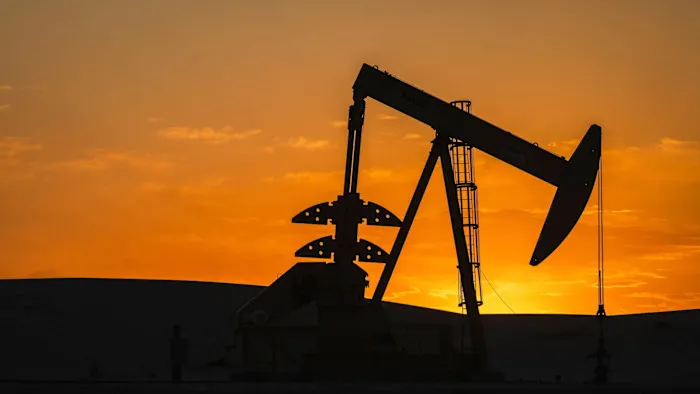
Global oil stocks fell at a record pace in April due to the war in the Middle East, which disrupted supplies and heightened the risk of rising prices ahead of the summer holiday season, reports the Financial Times.
According to S&P Global Energy, crude oil stocks fell by nearly 200 million barrels, or 6.6 million barrels per day. This came against a backdrop of a fall in demand of around 5 million barrels per day, the sharpest decline outside the Covid-19 pandemic period.
Jim Burkhard, head of oil market research at S&P, stated that the scale of the decline significantly exceeds normal levels. According to him, in a typical month, stock fluctuations range from several hundred thousand to one million barrels.
Since the start of the war with Iran, the global market has already lost around 1 billion barrels of oil. Despite a rapid decline in demand, supply losses remain greater. Burkhard noted that oil prices may continue to rise.
Following the outbreak of hostilities in late February, oil prices rose as Iran and the US restricted traffic through the Strait of Hormuz, and strikes damaged energy infrastructure in the region.
Analysts note that prices could rise even further once global stocks reach critically low levels. Some market participants believe this could happen within a matter of weeks.
As of Tuesday, the price of Brent crude had fallen by around 4 per cent to $110 per barrel amid a continuing ceasefire between the US and Iran, despite the attacks the previous day.
According to S&P, the figures include oil held by both governments and companies, as well as that stored on tankers at sea. The figures also include oil released from the US strategic reserve.
Total global reserves are estimated at approximately 4 billion barrels, though a significant portion of these is used to maintain the ongoing operation of infrastructure, particularly oil refineries and pipelines.
According to Goldman Sachs, global oil stocks are approaching their lowest level in eight years. The bank also notes that stocks of petroleum products, including petrol, diesel and aviation fuel, are sufficient for approximately 45 days.
In Northern Europe, jet fuel stocks fell to a six-year low in April, whilst in the US, petrol stocks could reach their lowest level this summer.
According to Morgan Stanley, despite fuel prices rising to nearly $4.50 a gallon, consumption in the US has not fallen significantly. The bank estimates that American drivers account for one in every eleven barrels of oil, and US stocks could fall to less than 200 million barrels by the end of August.
At the same time, S&P notes that the United States has not yet felt the full impact of the crisis, as its stock levels remain higher than last year. The main reduction in stocks has occurred in Asia.
Burkhard added that a sharp drop in US stocks could signal a wider crisis. According to him, the most difficult period is yet to come.