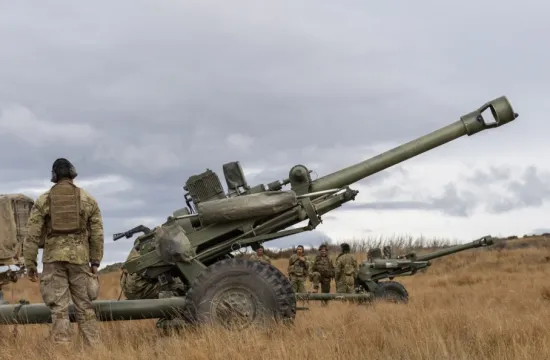
The summit between Xi Jinping and Donald Trump highlighted the differences between the US and China over Taiwan

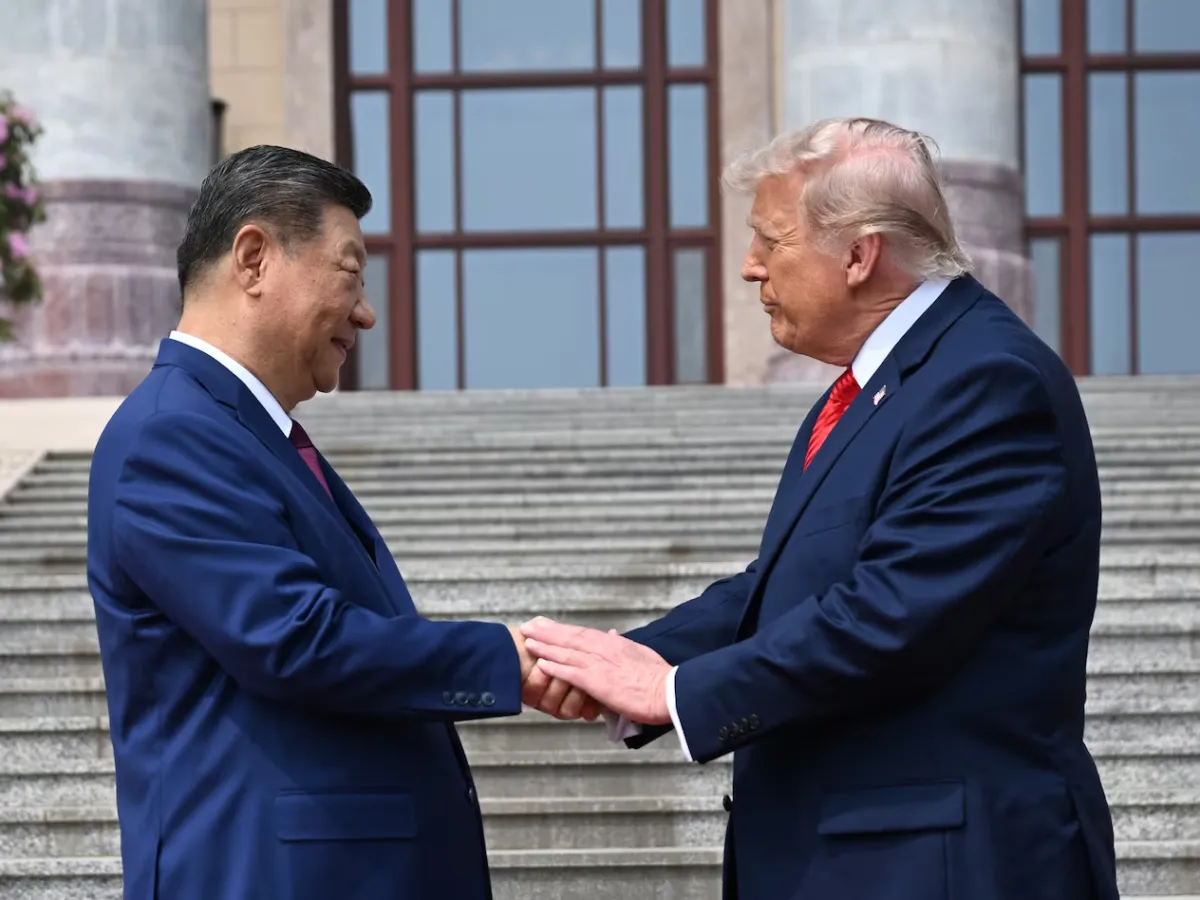
Following the summit in Beijing between Chinese President Xi Jinping and US President Donald Trump, the Chinese side stated that Taiwan remains the key issue in relations between the two countries, according to The Conversation.
China’s Ministry of Foreign Affairs reported that Xi Jinping had described the Taiwan issue as “the most important issue in Sino-US relations”.
According to Beijing, the Chinese leader warned that if the wrong approach were taken, the two countries could “clash or even come into conflict”, which would put relations between the US and China in an “extremely dangerous position”.
The positions of the US and China remain at odds
Xi Jinping’s warning regarding Taiwan was not mentioned in the White House statement.
The US side focused on agreements regarding the need to maintain open shipping through the Strait of Hormuz, China’s purchase of US agricultural products, and combating the supply of fentanyl precursors to the US.
Reports from both sides reflected the differing priorities of Washington and Beijing.
Despite the public display of a friendly atmosphere during the banquet, where leaders raised their glasses over a dinner of lobster, beef ribs and Peking duck, tensions over Taiwan remain.
The Taiwan issue, arms and new risks
Last week, a bipartisan group of US senators appealed to Donald Trump to approve a $14 billion arms package for Taiwan. Implementing such a decision could complicate attempts to stabilise relations between the US and China.
International relations experts Nicholas Wheeler and Marcus Holmes emphasise that Washington and Beijing have differing views on the issue of military support for Taiwan.
For the US, supplying modern weapons to Taipei is a means of deterring China. In Beijing, however, such actions are seen as a sign of aggression.
Before his trip to Beijing, Donald Trump stated that he planned to discuss the issue of US arms supplies to Taiwan with Xi Jinping.
Andrew Gotorp, an expert on US foreign policy at Leiden University, noted that such steps could contradict one of the ‘Six Assurances’, which have been part of US policy towards Taiwan since the 1980s. In his view, this could prompt China to make demands regarding other US commitments, particularly on issues of Taiwanese sovereignty.
Russia’s reaction and the implications for the Kremlin
Stefan Wolff, a professor of international security at the University of Birmingham, believes that a potential improvement in relations between Washington and Beijing could weaken Russia’s position.
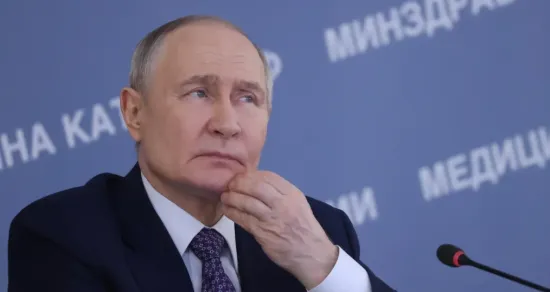
Against this backdrop, Kremlin spokesperson Dmitry Peskov stated that Russian President Vladimir Putin’s visit to China is being prepared for “in the near future”.
At the same time, due to attacks by Ukrainian drones, the Russian authorities scaled back the military parade and Victory Day celebrations in Moscow on 9 May.
Researcher Jennifer Mathers from the University of Aberystwyth believes that this year’s parade portrayed Russia as “frightened, weakened and isolated”.