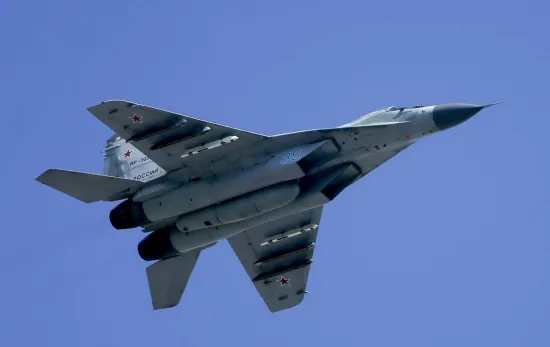
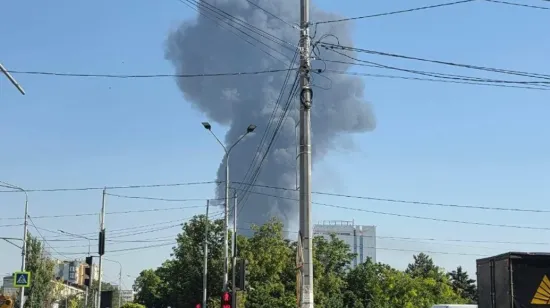
The US has depleted its weapons stocks following the war with Iran

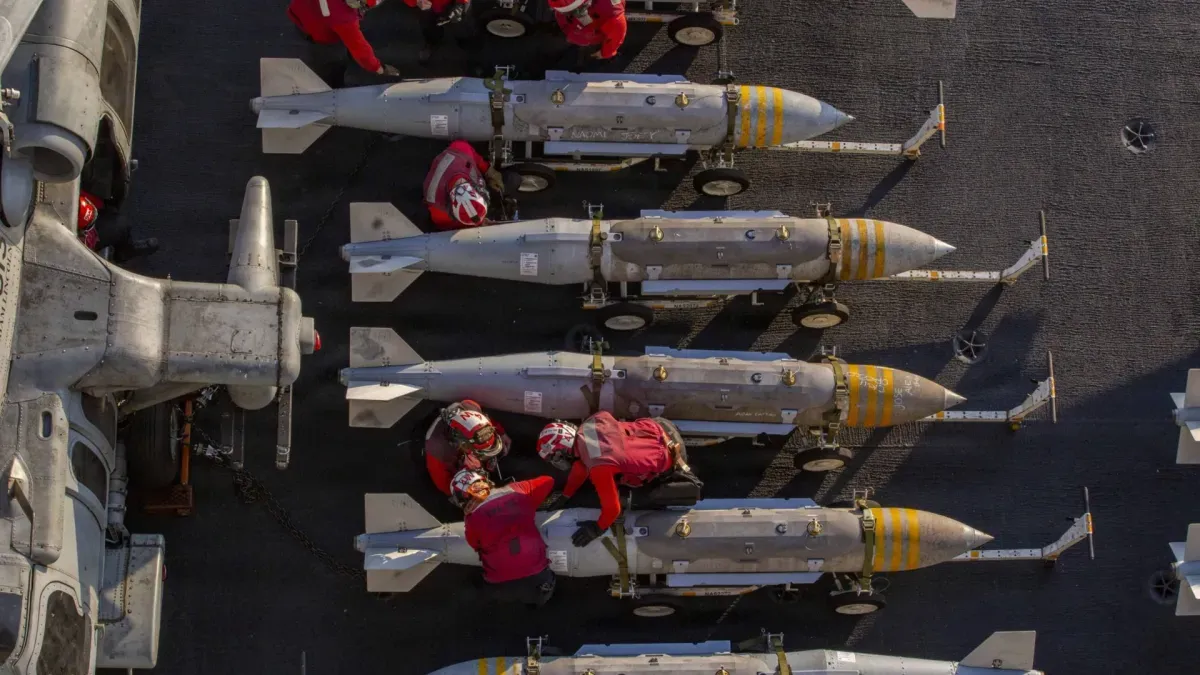
Analysts claim that the war with Iran has significantly depleted US weapons stocks and could limit the capabilities of President Donald Trump’s administration should hostilities resume, reports The Ipaper.
Research by the US think tank, the Center for Strategic and International Studies, has shown that during six weeks of intense warfare, the US used a significant portion of its high-precision offensive and defensive weaponry.
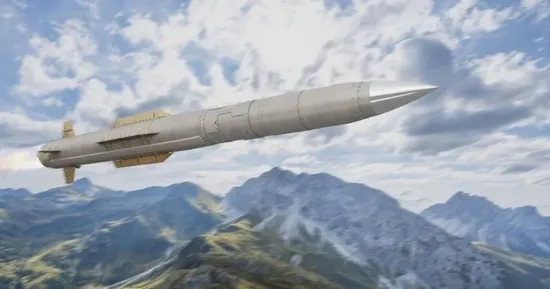
According to the study, over a thousand Tomahawk and JASSM cruise missiles were used during the strikes, accounting for almost a third of available stocks. More than half of the Patriot and THAAD missiles were also deployed. The CSIS noted that it could take around four years to replenish these stocks.
The ceasefire between the US and Iran remains fragile. Donald Trump described it as “incredibly weak” and stated that it is on “life support”. Meanwhile, a representative of the Iranian Ministry of Foreign Affairs accused the US of “foolishness” and “one-sidedness” during the negotiations.
The study’s co-author and former US Army colonel Mark Kantsian stated that the depletion of weapons stocks could influence Washington’s decision regarding a possible resumption of strikes against Iran.
“We could continue operations if hostilities resume, but one area is of particular concern. The US may face a shortage of THAAD missiles,” said Kancian.
According to him, the Pentagon will also take into account the risks for potential future conflicts, particularly in the western Pacific and in the standoff with China.
Due to the depletion of stocks of expensive precision-guided munitions, the US may be forced to make greater use of cheaper ammunition. This will force American bombers to fly closer to targets and increase the risks for pilots.
Former senior US Department of Defence official Michael Malroy also stated that the problem of dwindling weapons stocks could influence decisions regarding the continuation of the war.
“We are effectively producing weapons for peacetime. That needs to change. Our adversaries are watching,” said Malroy.
According to The New York Times, the situation regarding US ammunition stocks is also causing concern among the US’s European allies. European countries fear delays in the delivery of weapons purchased for Ukraine due to the need to replenish American arsenals.
At the same time, Pentagon officials have assured allies that stocks are sufficient to fulfil contracts.
According to The New York Times, citing an assessment by US intelligence regarding Iran’s missile capabilities, Iran has retained access to 30 of 33 key missile sites in the Strait of Hormuz area.
US officials believe that around 90% of missile storage and launch facilities remain partially or fully operational. Iran has retained at least 70% of its ballistic missile stockpile and 75% of its launchers.
Iranian Foreign Minister Abbas Araghchi stated on social media platform X that the US intelligence assessments are incorrect.
“The CIA is wrong. Our missile stockpiles and launch capabilities do not stand at 75% compared to 28 February. The correct figure is 120%. As for our readiness to defend the people – 1000%,” he wrote.
Missile analyst Tal Inbar stated that most Iranian missiles remained in underground silos that were not destroyed during the strikes.
“Bombs cause the ground and rocks to collapse, blocking the entrances to the facilities. If the debris is cleared away, everything inside remains intact,” Inbar said.